






The 'RedZone' Effect on a Global Scale
Imagine the NFL’s final week of the regular season. Multiple teams are fighting for the last playoff spots, and the league schedules all the pivotal games at the same time to maximize drama and prevent teams from gaining an unfair advantage. Now, distill
that down to just two games, involving four teams, where only two can advance. That is the magic and the madness of the World Cup’s final group stage matchday. After each of the 32 teams plays its first two games, the third and final match in every four-team group is played simultaneously. The two games, often happening in stadiums hundreds of miles apart, are inextricably linked. A goal in one match can completely upend the standings, knocking a team that was safely in second place moments before out of the tournament entirely. It transforms a 90-minute soccer game into a frantic, 90-minute session of refreshing your phone, checking the other score, and doing mental math.
The Constant, Cruel Calculus
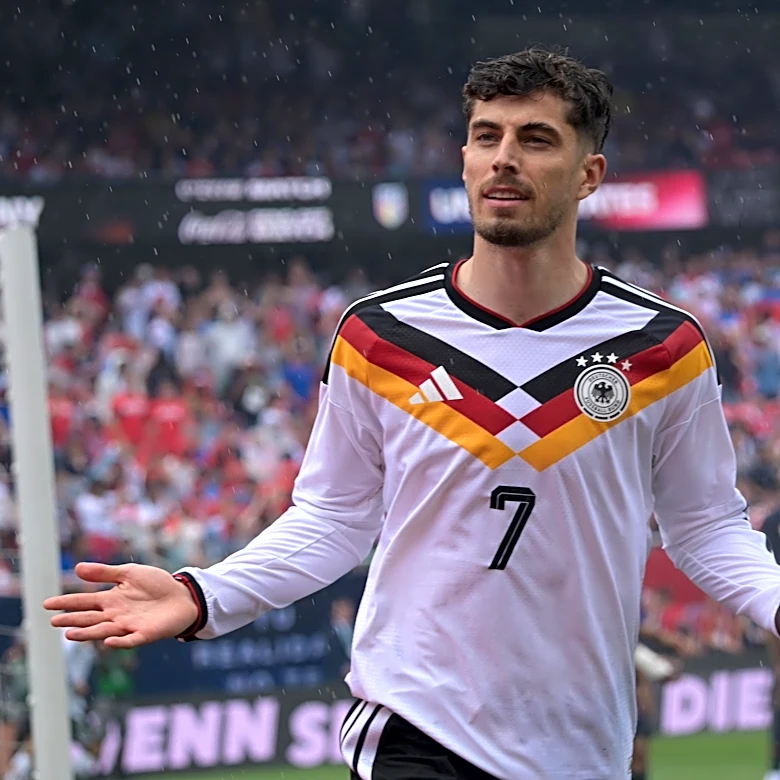
What makes this so similar to the whip-around frenzy of NFL RedZone is the constant recalculation of fate. On an NFL Sunday, a touchdown in the Patriots game might suddenly change the playoff seeding for the Dolphins. In the World Cup, it’s even more direct. In the 2022 tournament, Group E provided a perfect, heart-stopping example. At various points during the final 90 minutes of play, Japan, Spain, Costa Rica, and former champion Germany all occupied the top two spots that would see them advance. A goal for Japan against Spain suddenly vaulted them into first place. Then, a goal for Costa Rica against Germany briefly put *them* in a position to advance alongside Japan, which would have eliminated both Spain and Germany, two of the sport’s biggest powerhouses. The live table was a yo-yo of hope and despair. For 90 minutes, the fate of four nations rose and fell on every shot, every save, every VAR review across two separate fields. It was a live-action math problem with national pride on the line.
Shared Clocks, Shared Destinies
Unlike American sports, which are filled with timeouts and commercial breaks that stop the clock, soccer’s running clock adds a unique layer of dread and excitement. There are no built-in pauses to catch your breath or reset. The tension is fluid and constant. A team that needs a goal can’t simply call a timeout to draw up a perfect play. They have to find a solution while the clock mercilessly ticks toward 90 minutes. This shared, running clock is the engine of the drama. When both games are in their final minutes, the intensity reaches its peak. A team might be winning its own game 1-0, but if the team they need to lose in the other game is also winning 1-0, their own victory is meaningless. You see players on the field getting updates from the bench, their expressions changing as news—good or bad—filters in from the other match. The audience experiences this in real-time, creating a communal, high-stakes viewing experience that is second to none.
A Different Kind of Drama
While the NFL RedZone experience is built around seeing every scoring play from every game, the World Cup’s simultaneous drama is more focused and arguably more brutal. RedZone is a buffet of action, primarily for the benefit of fantasy football players and fans with scattered allegiances. The World Cup finale is a four-course meal of anxiety where every bite is connected. It’s not about watching seven hours of football; it’s about 90 minutes where the destinies of four teams are woven together. The joy of your team scoring a late winner can be instantly erased by the news that your rival in the other game just did the same. It’s a beautifully cruel piece of tournament design that guarantees maximum tension, and it’s why so many casual fans find themselves utterly captivated.