




The Barely-There Veil: Light Coverage
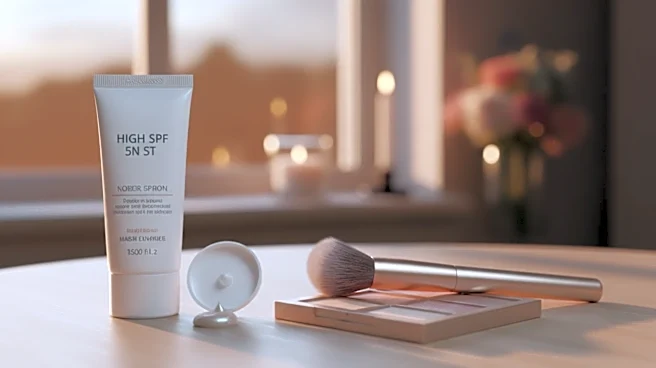
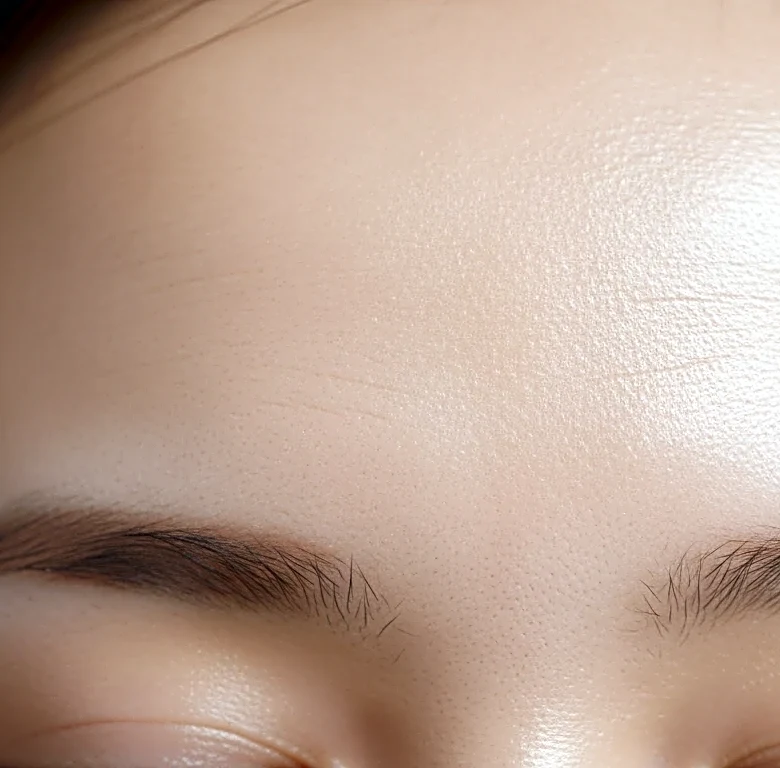
Light coverage is all about creating a 'your skin but better' effect. Its primary job is to even out your skin tone with a sheer tint of color, not to erase every imperfection. This is the go-to for the “no-makeup” makeup look, letting your natural complexion,
including freckles, shine through. Light coverage formulas, like tinted moisturizers or BB creams, are often breathable and feel weightless. The right way to apply it is to focus on technique over quantity. Start with a clean, well-moisturized face. You can use your fingers for a truly skin-like melt, a damp sponge for a sheer, dewy finish, or even a big, fluffy powder brush for the lightest possible application. The goal is to gently press or tap the product into the skin, starting from the center of the face and blending outward. Done right, it looks like you just have naturally great skin.
The Everyday Workhorse: Medium Coverage
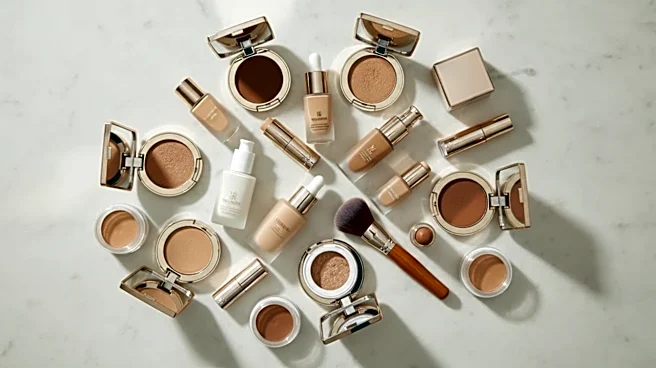
This is the most popular and versatile foundation level for a reason. Medium coverage strikes a perfect balance: it’s pigmented enough to conceal redness, minor blemishes, and uneven tone, but it can still look incredibly natural when applied correctly. The key to mastering medium coverage is its buildable nature. The common mistake is applying one thick layer all over. The better approach is to start with a single, thin layer and blend it out seamlessly. Then, you can go back and strategically add a bit more product only where you need extra coverage, like around the nose or on a blemish. A combination of tools often works best; you can apply with a foundation brush and then use a damp beauty sponge to press the product into the skin, which removes any streaks and excess product for a flawless finish. When done right, medium coverage provides a polished, even canvas that’s perfect for everyday wear.
The Polished Perfection: Full Coverage
Full coverage foundation has a reputation for being heavy and cakey, but modern formulas are designed to provide maximum coverage without the mask-like feel. This level is ideal for special events, photography, or for those who want to completely conceal significant discoloration, acne, or scarring. The secret to making full coverage look good is twofold: skin prep and precise application. Skipping primer is not an option here, as you need a smooth base for the foundation to adhere to evenly. Instead of applying a thick coat everywhere, start with a small amount and focus it in the areas that need the most coverage, blending outward toward the edges of your face. Using a dense brush to buff the product in small circular motions, followed by stippling with a damp sponge, helps to meld the foundation with your skin. Always finish by blending down your neck to avoid a harsh line of demarcation. Done right, full coverage looks impeccably polished and airbrushed, not heavy.
Don't Forget the Finish
Coverage level is only half the story; the finish is just as important. A foundation's finish describes its appearance on the skin once it sets. The three main types are matte, dewy, and satin. Matte formulas absorb oil and reduce shine, giving the skin a velvety, non-reflective look that’s often favored by those with oily skin. Dewy or radiant finishes create a luminous, hydrated glow that can make skin look fresh and youthful. Satin, which sits in the middle, offers a natural, semi-matte effect—not too shiny, not too flat. Choosing the right finish for your skin type and desired aesthetic is a crucial final step. A light coverage foundation might have a dewy finish for a fresh look, while a full coverage foundation might be matte for a long-wearing, shine-free effect.