






The Performer's Hidden Hazard
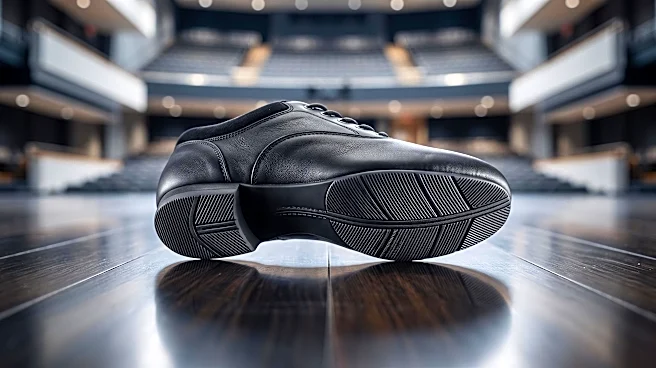
For any performer, an unpredictable surface is a nightmare. A stage floor, whether it's polished wood, vinyl 'marley' flooring, or a painted set piece, can become incredibly slick under hot stage lights. Dust, humidity, and even the type of shoe can turn
a stable surface into a personal ice rink. This isn't just about a comical slip-up; it's a serious safety issue that can lead to career-ending injuries. A single misstep can derail a multi-million dollar production. Because of this, stage managers and performers have developed a host of methods to ensure every footfall is secure, allowing them to focus on their art without fearing the floor beneath them.
The Sugary Secret Weapon
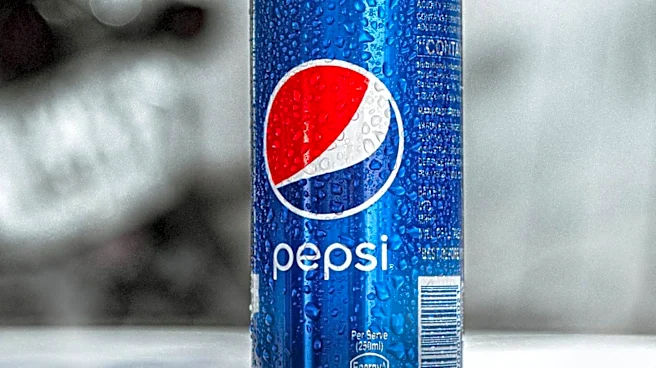
One of the oldest and most common tricks in the book is shockingly simple: soda. Specifically, a dark, sugary soda like Coca-Cola. Backstage, it's not uncommon to see a 'Coke towel' or a small, shallow puddle of soda on a mat. Performers will step onto the damp, sticky surface right before entering the stage. The sugar and syrup in the drink create a tacky residue on the soles of their shoes, providing a temporary but highly effective grip. This method is cheap, fast, and surprisingly reliable, which is why it has been a staple in theaters and on tour for decades. Some crews will even mop the entire stage with a diluted soda mixture for ensemble numbers.
Beyond the Soda Puddle: Rosin and Sprays
Of course, soda isn't the only solution. For disciplines like ballet, the go-to substance is rosin. Derived from pine tree resin, rosin comes in a crystalline rock or powder form. Dancers crush the rocks with their pointe shoes in a 'rosin box' backstage, coating the tips and soles with the fine, sticky powder to increase friction. For venues where loose powder is forbidden due to mess or respiratory concerns, specialized spray rosins are available, offering a cleaner application. Beyond that, a whole market exists for commercial grip enhancers, from adhesive sprays to traction gels and lotions, each formulated for different types of shoes and surfaces.
The Downside of Stickiness
While these methods are effective, they aren't without their drawbacks. A soda_mopped stage can become a sticky mess, attracting insects and requiring rigorous cleaning after every show. Rosin can build up on floors, making them too tacky and potentially hindering fluid movements like slides and turns. It can also be a nightmare to clean from specialty dance floors like marley. Furthermore, some modern performance floors are designed with a specific coefficient of friction and can be damaged by these treatments. This is why many venues now prohibit the use of traditional rosin, pushing performers toward less_damaging spray adhesives or simply relying on the quality of the floor itself.
Can You Use These Tricks at Home?
While you probably shouldn't pour a can of Coke on the floor at your cousin's wedding, the principles still apply. If you're facing a slippery dance floor in new dress shoes, one of the easiest and most effective methods is simply to scuff the soles. Taking a few minutes to walk on a rough surface like concrete or asphalt will wear down the slick factory finish. For a more controlled approach, you can use a piece of sandpaper to gently rough up the ball and heel of the sole. Adhesive grip pads, which stick to the bottom of your shoes, are another great, non‑permanent option available at most drugstores or shoe repair shops. These provide a reliable rubberized surface without damaging your shoes or the floor.