
An Aristocrat or a Rebel?
The core of the disagreement is a clash of identities baked into the haircut’s history. The pompadour gets its name from Madame de Pompadour, the chief mistress of King Louis XV, who wore her hair swept
up and back from her forehead in the 18th century. For decades, it was a symbol of feminine elegance and courtly status. Then came the 1950s. Rockabilly culture hijacked the style, with icons like Elvis Presley and James Dean turning it into a pillar of masculine rebellion. The high-shine, gravity-defying shape became synonymous with greasers, hot rods, and a rejection of conformity. This is the central tension every stylist navigates: Are they sculpting a look of refined, classic masculinity with soft, blended lines? Or are they crafting an edgy, counter-culture statement with sharp angles and attitude? The client might just say “give me a pomp,” but the stylist has to interpret whether they want to look like Cary Grant or a member of the Stray Cats.
The Tools of the Trade
How a stylist achieves the look speaks volumes about their philosophy. The most significant technical debate centers on clippers versus scissors. Traditionalists and purists often champion the scissor-over-comb technique, especially for the sides and back. This method allows for a softer, more textured taper that grows out gracefully and connects seamlessly with the longer hair on top. It’s an art that requires a steady hand and a good eye, resulting in a bespoke, classic shape. On the other side are proponents of the modern fade, executed with clippers. A sharp skin fade on the sides creates a dramatic, high-contrast look that makes the volume on top pop. It’s clean, precise, and distinctly contemporary. Many modern barbers see the clipper fade as an essential evolution of the style, while some old-school stylists view it as a shortcut that sacrifices the nuanced shaping that makes a pompadour truly timeless. The choice of tool isn't just about efficiency; it's a declaration of style allegiance.
The Great Product Divide
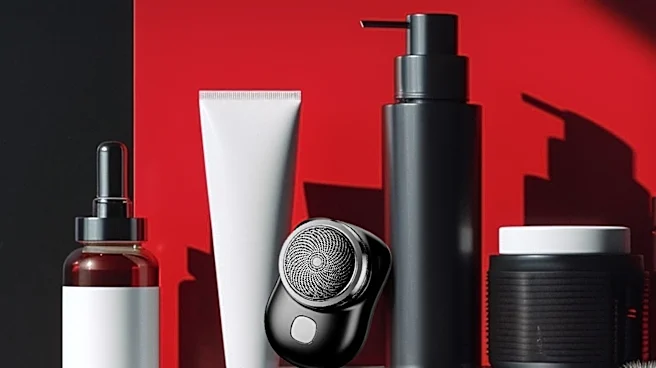
A pompadour is nothing without product, and this is another battleground. The disagreement isn’t just about brands, but about the finish. Do you go for high shine or a natural, matte texture? The traditional rockabilly pompadour demands a heavy, oil-based pomade—the “grease” that gives it that slick, almost wet look with uncompromising hold. It’s authentic to the era but can be difficult to wash out and may not feel right for a modern office environment. In response, a new school of thought champions water-based pomades, clays, and pastes. These products offer a more pliable, textured finish that looks less styled and more effortless. A matte clay can give incredible volume and hold without any of the shine, creating a pompadour that feels airy and contemporary. For stylists, recommending a product is about defining the final aesthetic. Pushing a high-shine pomade says “I’m giving you a vintage statement.” Suggesting a matte clay says “I’m adapting a classic for your modern life.”
Who Gets to Wear It?
Finally, stylists disagree on the pompadour’s universality. One camp argues that it’s a prescriptive style best suited for those with thick, straight hair and an oval or square face shape. They contend that the volume on top can elongate an already long face or overwhelm a smaller one. These stylists believe in upholding the “ideal” version of the cut and will often steer clients with the “wrong” hair type or face shape toward something more flattering. But a growing number of stylists see this as outdated gatekeeping. They believe that with the right modifications, anyone can wear a version of the pompadour. For a round face, they might recommend a slimmer, less voluminous shape with tighter sides to create an illusion of length. For thinning hair, they might use texturizing products to create fullness. This debate pits the purists against the pragmatists. Is the pompadour a specific, aspirational look, or is it a versatile template that can be customized for anyone willing to rock it?