


The Power of Movement
At its heart, fringe is about adding life to a static object. Think of a simple sheath dress—it's elegant but still. Now, picture that same dress with a fine layer of fringe along the hem. With every step, the fringe sways, creating a dynamic visual effect
that animates the garment. This movement draws the eye and introduces a sense of fluidity and energy, transforming the dress from a simple shape into an experience. It’s a technique designers have used for decades, from the iconic flapper dresses of the 1920s that moved with the rhythm of jazz to modern runway looks where fringe adds a dose of drama.
Adding Texture and Dimension
Fringe is a master of illusion. It adds texture and visual depth without adding bulk. A flat fabric can sometimes be unforgiving, but a layer of fringe can soften lines and create a more flattering look. For example, angled fringe placed over the hips can make the eye read flow and movement instead of tension, all while the underlying silhouette remains a simple column or A-line. This is why fringe is so effective; it provides decorative detail and personality through its texture, allowing a simple piece to feel more alive and intricate. In a minimalist wardrobe, a single fringed item can play the role that bold prints or heavy jewelry might in another.
Directing the Viewer's Eye
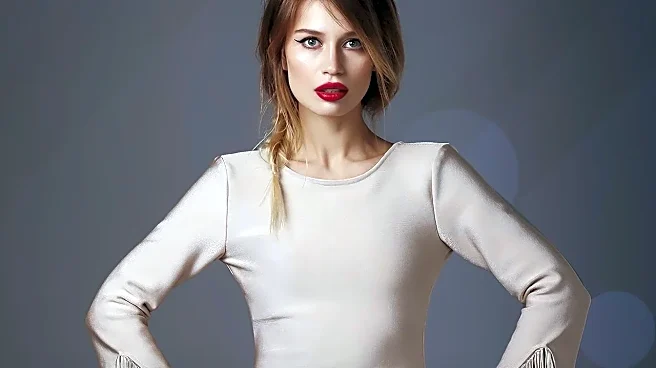
Strategic placement is everything when it comes to fringe. Because it naturally draws attention, designers use it as a tool to guide the eye and enhance a garment's shape. Fringe at the hem of a skirt can balance proportions for someone with broader shoulders by adding interest to their lower half. Similarly, fringe placed on the sleeves of a jacket can add a playful element without overwhelming the entire look. The key is that the fringe supports the silhouette rather than fighting it. This intentional placement allows a designer to highlight certain features or create a specific sense of balance, all while working within the boundaries of the original cut.
Not All Fringe Is Created Equal
The type of fringe used dramatically changes its effect. Heavy leather or suede fringe produces a deliberate, swinging motion, lending a structured and edgy feel. In contrast, fine, lightweight threads like silk or chainette create a soft, shimmering effect that feels more delicate and fluid. There's also beaded fringe, which catches and reflects light, perfect for adding a touch of glamour to eveningwear. A designer’s choice—from a dense, brush-like fringe to wide, dramatic panels—determines whether the effect is a subtle flutter or a bold statement, but in all cases, the fringe works with the garment's existing lines.
How to Style It Smartly
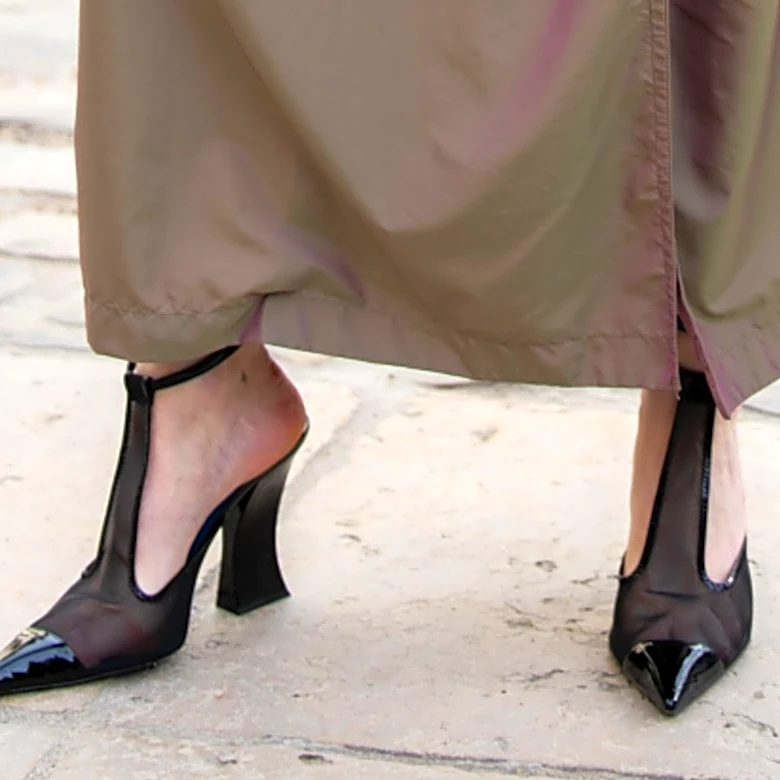
When wearing a fringe dress, the golden rule is to let the fringe be the star. Keep the rest of your outfit simple and polished. Opt for clean-lined accessories, like a structured clutch and simple pointed-toe pumps or sleek boots. Minimal jewelry helps maintain a sophisticated look, preventing the outfit from feeling costumey. If you're new to the trend, start with a piece where the fringe is a subtle accent—perhaps on the sleeves or just the hem. Choosing a dress in a neutral color like black, navy, or camel also allows the texture and movement of the fringe to become the main story.