


The Dream of Sprezzatura
First, let’s talk about the ideal. For decades, the pinnacle of Italian menswear has been defined by a single, untranslatable concept: *sprezzatura*. It’s the art of studied carelessness, of making something difficult look effortless. Think of a Agnelli
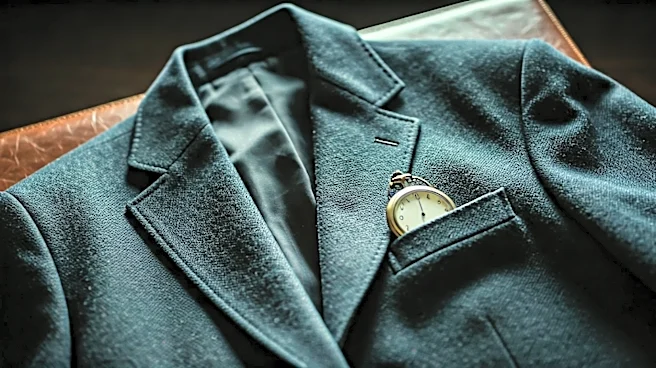
or a Mastroianni—men who wore their exquisite suits like a second skin. The shoulder of the jacket wasn't a rigid, padded fortress; it was soft, following the natural line of the body. The fabrics were chosen for their movement and feel, not just their appearance. Trousers had a gentle break, the tie was ever-so-slightly askew, the button-down was unbuttoned one notch more than a banker’s. This wasn't sloppiness. This was confidence. The clothes served the man, enhancing his grace and ease, not restricting them. This philosophy is what made Italian tailoring the global standard for sophisticated, masculine elegance. It’s a style that whispers, rather than shouts.
The Mistake: Architectural Armor
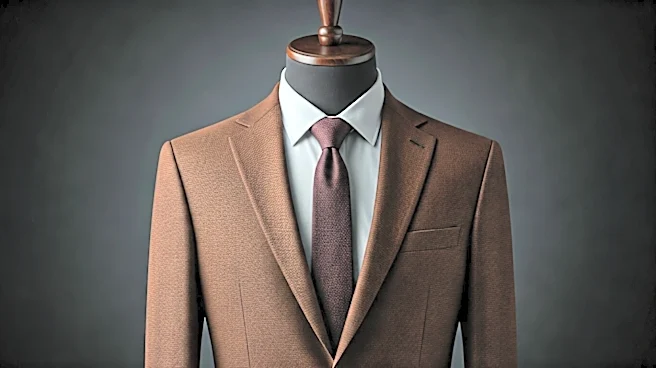
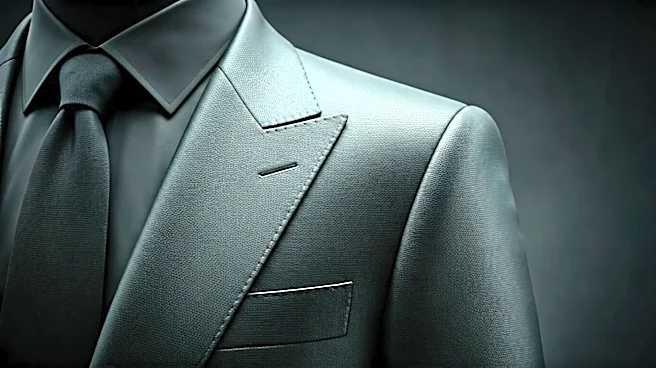
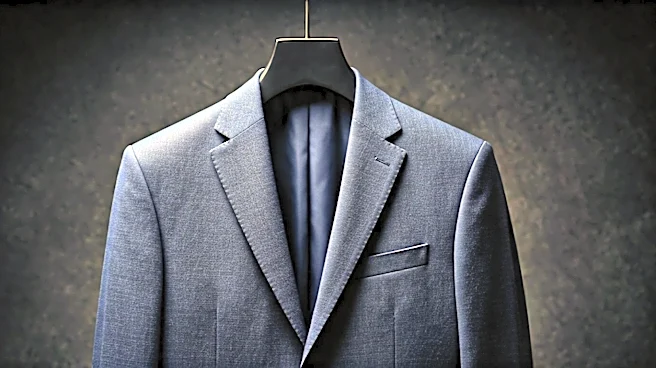
Herein lies the mistake we’re seeing emerge from Milan and beyond. In a quest for a new kind of modernism, or perhaps just a very specific, photogenic “look,” some of the world’s top luxury houses are abandoning sprezzatura for its exact opposite: rigidity. The new suits are less like clothing and more like architecture. Shoulders are built up and sharp, creating a severe, almost robotic silhouette. Fabrics are often technical or bonded, chosen for their ability to hold a crisp shape rather than drape softly. The cut is so precise it seems to forbid movement, turning the wearer into a static sculpture. This isn't tailoring that works with the body; it's tailoring that imposes its will upon it. Instead of looking effortlessly cool, the men on the runway can look encased, uncomfortable, and frankly, a bit like they’re wearing a very expensive costume. The humanity and personality—the very soul of great tailoring—are sacrificed for a cold, severe perfection.
Why Is This Happening?
There are a few culprits. Firstly, it’s a reaction. After years of post-pandemic sweatpants and unstructured everything, the pendulum was bound to swing back toward formality. But instead of a gentle return, it has been a hard pivot to an almost militaristic precision. Secondly, there’s the Instagram effect. A severely structured suit photographs incredibly well. Its sharp lines and clean silhouette create a powerful, graphic image that pops on a small screen. A soft, drapey Neapolitan jacket might look and feel incredible in person, but its subtle charms can be lost in a sea of endlessly scrolling content. This new stiffness is designed for the camera first, and the human being second. It's a look built for a static pose, not for navigating the real world with grace and comfort. It prioritizes the digital impression over the physical experience, a trade-off that ultimately feels hollow.
The Antidote: Find Your Flow
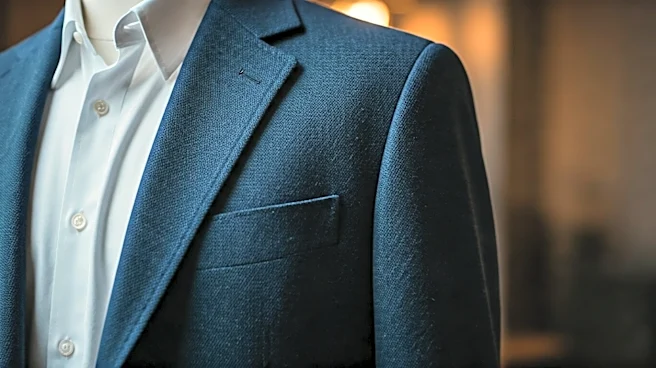
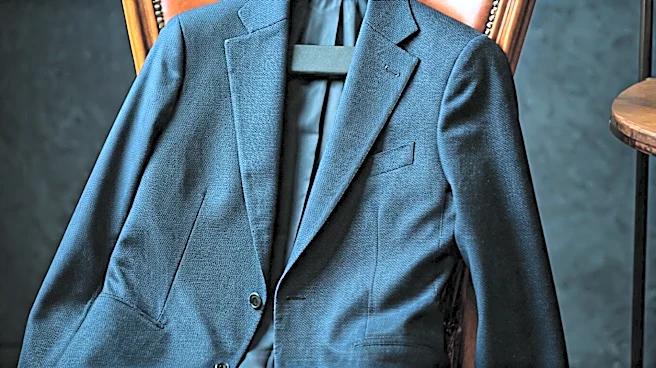
So how does a man who appreciates fine clothing avoid this trap? The answer is to reclaim the spirit of sprezzatura. When you're looking at a suit or sport coat, ignore the hype and focus on the feel. Look for jackets described as “unstructured” or “unlined.” Pay attention to the shoulder. Does it have a massive pad, or does it follow your natural shape? Reach for fabrics that have life in them—high-twist wools that resist wrinkles, linen blends that breathe and gain character with wear, and cashmeres that feel like a hug. A well-tailored garment should feel like an extension of you, not a cage. The goal isn’t to look like you just stepped out of a magazine spread; it's to look like a man who is comfortable and confident in his own skin, and whose clothes are simply there to complement him. True luxury is freedom of movement, not a beautiful prison.