



The Magic of the Big Screen
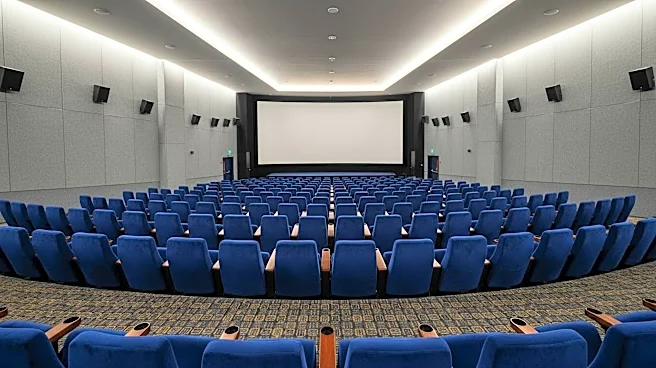
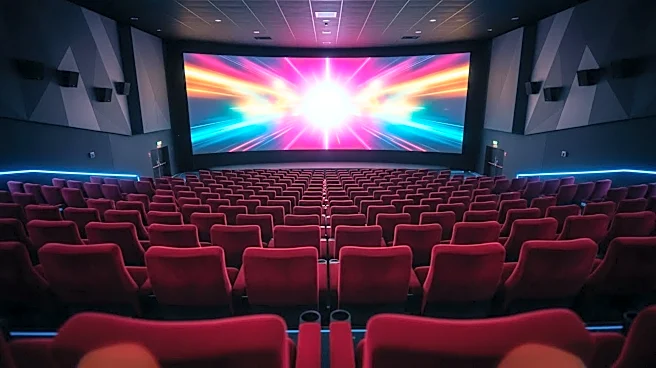
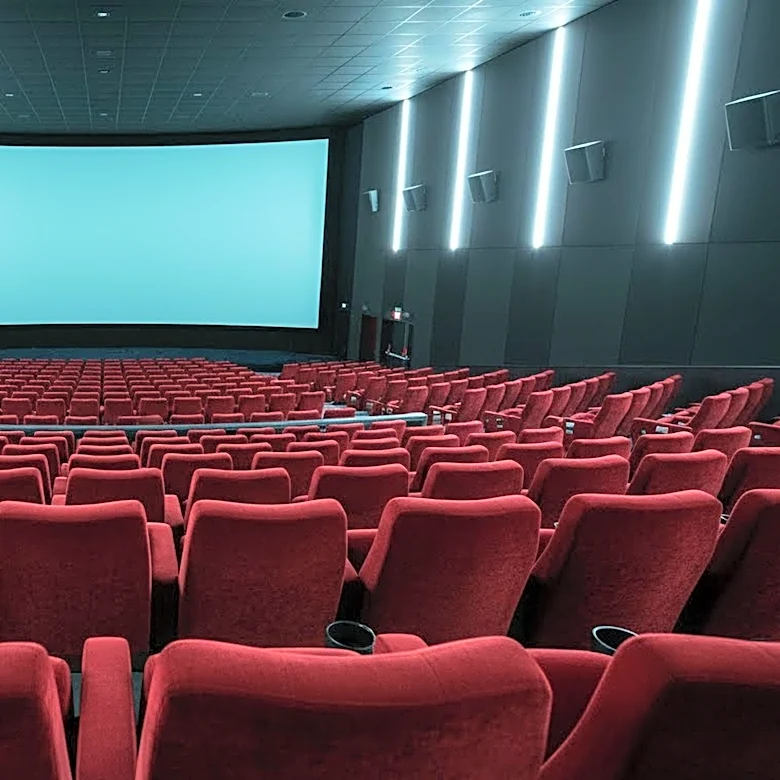
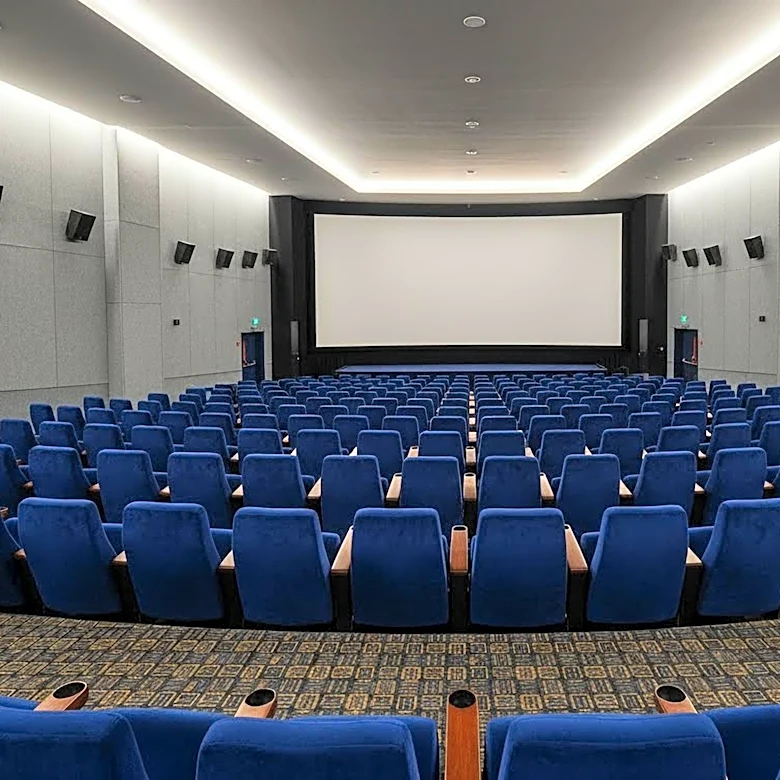
There's an undeniable magic to the theatrical experience. It’s the smell of popcorn, the collective gasp of a packed audience, and the immersive power of a giant screen and booming sound system. For a family film, this transforms a simple viewing into
a memorable event. This communal experience is a primary reason theaters continue to draw audiences, creating a sense of community and shared excitement that streaming at home cannot replicate. Recent years have seen a strong resurgence in families returning to cinemas for event films, demonstrating a persistent desire to get out of the house and make memories together. As one studio executive noted, nobody reminisces about that great time they spent on the couch. Theaters offer a high-attention, distraction-free environment, which allows a film's story and spectacle to land with maximum impact—a crucial factor for ambitious, visually rich animated features.
The Unbeatable Convenience of Home
On the other side of the coin is the powerful allure of convenience. For a family with young children, a trip to the theater is a major logistical and financial undertaking. Ticket prices, which can easily top $15-$20 for premium formats, combined with costly concessions, can turn a single movie outing into a hundred-dollar affair. A streaming premiere on a service like Disney+ or Netflix eliminates these barriers. The movie is available on-demand, the pause button is a lifesaver for bathroom breaks, and the snack selection is limited only by your pantry. This model has been praised by some executives as more “consumer friendly.” For families on a tight budget or those with unpredictable schedules, the value proposition is hard to beat. It democratizes opening weekend, allowing everyone with a subscription to participate instantly without the hassle and expense of a trip to the multiplex.
The Economics That Shape the Story
The choice between theatrical and streaming isn't just about consumer preference; it’s driven by two vastly different business models that influence which movies get made. Theatrical releases require massive box office returns to be profitable, especially for big-budget family blockbusters that can cost hundreds of millions to produce and market. This high-stakes gamble encourages studios to invest in proven franchises and spectacle-driven films that demand to be seen on the biggest screen possible. Conversely, streaming platforms aren't solely focused on a single film's revenue. A streaming premiere is a tool for attracting and retaining subscribers. This can allow for more creative risk-taking on projects that might not survive the brutal economics of the box office. However, this model also contributes to what some see as a content glut, where movies premiere and disappear from the cultural conversation within a week.
Building a Lasting Cultural Footprint
Perhaps the most significant difference lies in a film’s ability to create a lasting cultural legacy. A theatrical release is an event. It benefits from a prolonged marketing cycle, weeks of public visibility, and sustained word-of-mouth that helps cement it in the public consciousness. Films that debut in theaters and become box office hits tend to perform much better when they eventually arrive on streaming, carrying a built-in prestige and audience awareness. This journey helps turn a movie into a phenomenon, a part of our shared cultural language. Streaming-first films, even successful ones, often struggle to achieve the same level of cultural gravity. They are part of a library, an algorithm's suggestion rather than a communal pilgrimage. While they offer incredible access, they risk becoming disposable entertainment, watched and quickly forgotten in the endless scroll.