



1. The 'Quiet Luxury' Mandate
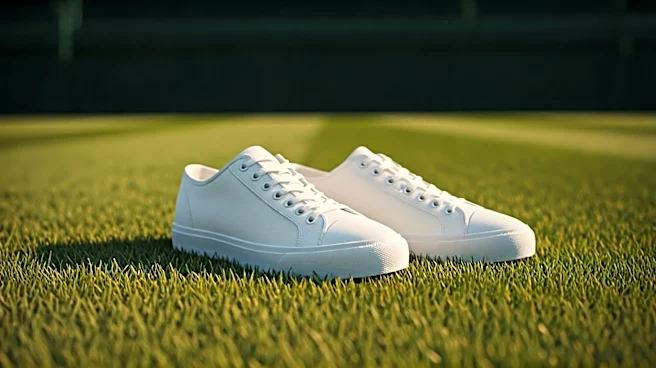
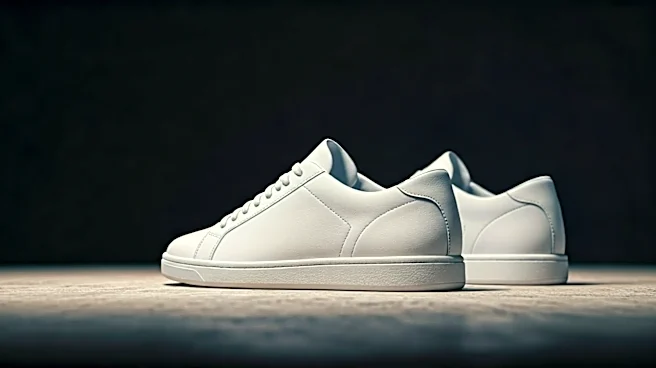
Wimbledon's spectator style is the epitome of "quiet luxury" or "stealth wealth." Unlike logo-heavy events, the goal here is understated elegance. A clean, low-profile canvas sneaker perfectly aligns with this ethos. It signals confidence through quality
and classic design rather than flashy branding. It's a shoe that whispers, rather than shouts, suggesting an appreciation for timelessness over fleeting trends—a core tenet for those who value discretion and refined taste.
2. A Nod to the All-White Rule
While only players are bound by the strict all-white dress code, spectators often pay homage to the tradition. Choosing a crisp white canvas sneaker is a subtle and stylish way to acknowledge the tournament's most famous rule without looking like you're trying too hard. It connects your look to the action on the court and shows you understand the history that dates back to the 1800s, when white was worn to minimize the appearance of sweat.
3. The 1950s Sportswear Revival
The headline's reference to a '1950s archive' points to a key era. In the 1950s, tennis fashion saw the rise of cinched waists, pleated skirts, and decorative cardigans. It was also the decade that saw sports brands like Fred Perry, which launched its iconic shirt at Wimbledon in 1952, begin to blend on-court function with off-court style. Simple canvas plimsolls or sneakers were a key part of this emerging leisurewear aesthetic, making today’s versions a direct nod to that mid-century sporting grace.
4. The Fred Perry Precedent
You can’t talk Wimbledon style without mentioning Fred Perry. A three-time Wimbledon champion in the 1930s, Perry was a working-class hero in a sport dominated by the upper crust. When he launched his clothing line in 1952, its laurel wreath logo was based on the original Wimbledon symbol. The brand's simple, clean-lined tennis shoes became synonymous with a certain rebellious yet classic British style. Wearing a simple canvas court shoe channels the spirit of this legendary player who forever linked sportswear with subculture.
5. Embracing 'Smart Casual'
The official spectator dress code is "smart casual." While this expressly forbids things like ripped jeans or dirty trainers, it leaves room for interpretation. A pristine canvas sneaker perfectly threads the needle. Paired with tailored chinos or a summer dress, it strikes a balance between formal and relaxed. It’s a modern interpretation of the dress code that feels elegant and effortless, which stylists agree is the ultimate goal.
6. The Ultimate Comfort Play
A day at Wimbledon involves a lot of walking and standing, from queuing for entry to strolling the grounds. Comfort is not just a luxury; it’s a necessity. While some may opt for heels or formal leather shoes, the most seasoned attendees know that comfortable footwear is essential. A well-made canvas sneaker provides all-day comfort without sacrificing an ounce of style, ensuring you look just as polished for the final set as you did upon arrival.
7. The Anti-Trend Statement
In a world of fast fashion, the canvas sneaker is a bastion of timeless design. Brands like Keds and Converse have been making simple canvas sport shoes since the early 20th century. Choosing such a classic piece is an implicit rejection of disposable trends. It reflects a desire for authenticity and sustainability—investing in pieces with a long style lifespan instead of chasing fleeting fads. This mindset is perfectly suited to an event as steeped in tradition as Wimbledon.
8. The Versatility Factor
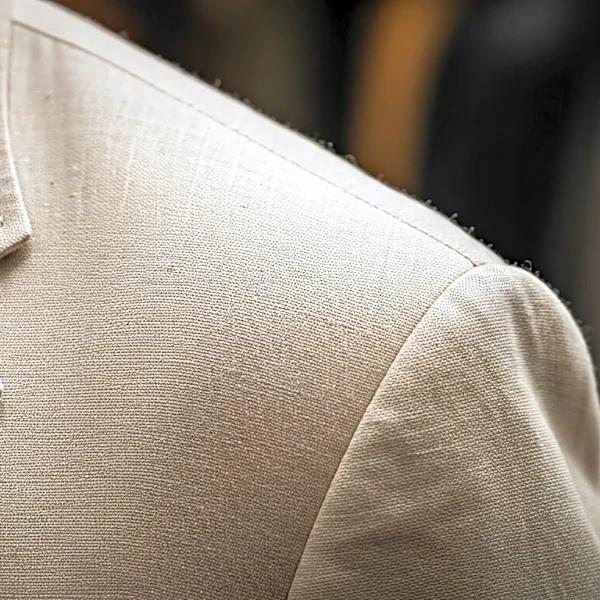
The most intelligent wardrobe choices are versatile, and the canvas sneaker is a champion in this regard. It pairs as easily with a linen suit as it does with a floral midi dress, making it a sartorial workhorse. This adaptability is key for Wimbledon, where the weather can be unpredictable and social plans might shift from watching a match on Henman Hill to sipping Pimm's in a more formal hospitality area. The sneaker transitions seamlessly, proving that true style is about effortless flexibility.
9. A Touch of Rebellious Spirit
While conforming to the overall smart aesthetic, wearing sneakers in a traditionally formal setting carries a subtle hint of rebellion. It’s a move that feels modern and fresh. Think of American player Gertrude Moran, who shocked Wimbledon in 1949 by revealing lace-trimmed shorts under her skirt, or Suzanne Lenglen’s calf-length dresses in the 1920s. While far from scandalous today, a sneaker is a quiet statement that you respect the rules but are interpreting them with contemporary confidence.