


The Unending Allure of Novelty
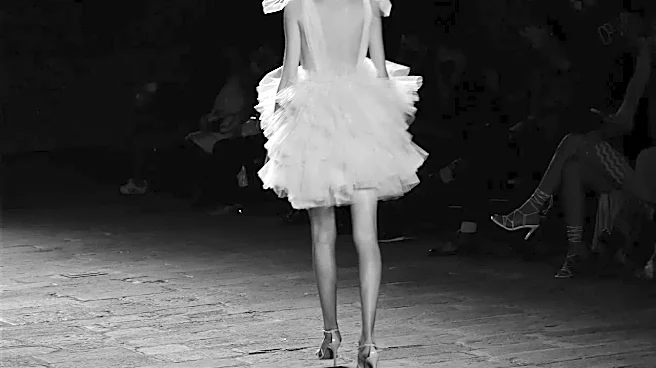
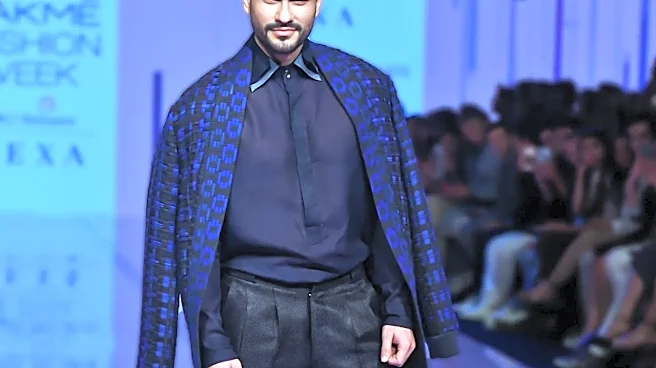
London Fashion Week, like its global counterparts, is a masterclass in manufacturing desire. It’s a spectacle of creativity, from the heritage-with-an-edge feel at Burberry to the sculptural romance of designers like Simone Rocha. The event is engineered
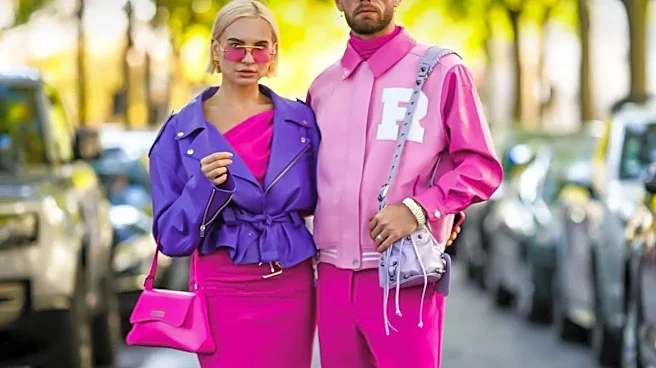
to make you feel a step behind, creating a sense of urgency around cropped trench coats, reimagined plaids, or whatever new silhouette dominates the catwalks and street style galleries. This isn't just about clothes; it's about the psychological pull of the new. Social media accelerates this, turning runway moments into viral microtrends that can make your current wardrobe feel instantly dated. This cycle of trend fatigue is a known phenomenon, overwhelming consumers with so many choices that it actually creates anxiety instead of freedom. The constant influx of “must-have” items pushes a culture of overconsumption, where personal style gets lost in the rush to keep up.
Building Your Personal Style Blueprint
The most effective way to resist the pull of fleeting trends is to build a strong foundation: your personal style. This isn't about creating a restrictive uniform, but about defining your aesthetic so clearly that you can instantly tell when a trend serves you versus when it's just noise. Wardrobe planning is the process of discovering this blueprint. It forces you to get honest about what you genuinely love to wear. By curating a smaller, more intentional collection of clothes, you start to see patterns in your preferences—the colors, fabrics, and silhouettes that make you feel most like yourself. This shift from chasing quantity to investing in quality means you can afford better-made pieces that last longer and truly represent you. Instead of a closet packed with disparate items from various microtrends, you cultivate a cohesive collection that works together, making getting dressed simpler and more expressive.
The Art of the Wardrobe Audit
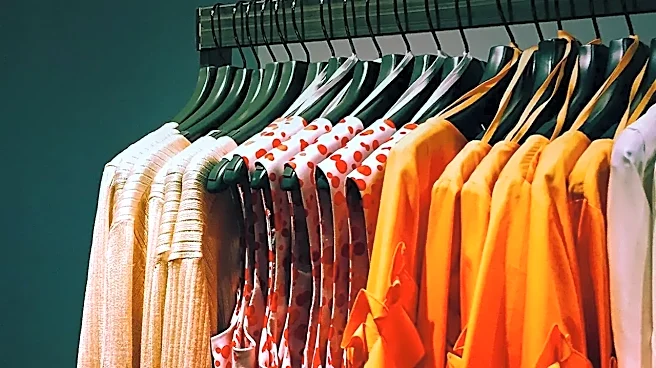
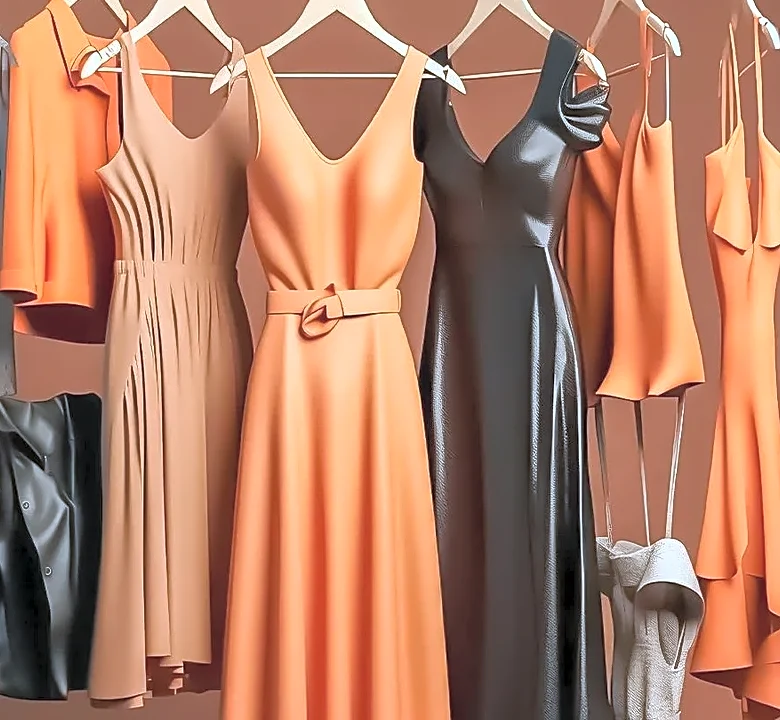
Getting started with wardrobe planning begins with a simple audit. The goal is to understand what you have, what you actually wear, and where the gaps are. First, empty your closet and group items by category. As you go through each piece, ask yourself a few key questions: Do I love this? Have I worn it in the last year? Does it fit my desired personal style? A helpful rule is to create three piles: keep, donate/sell, and maybe. Be ruthless with the first two. For the 'maybe' pile, store it away for a few months. If you don't miss it, you don't need it. Once you have your curated 'keep' pile, the next step is to create a list of what's missing. This list becomes your guide for any future shopping. Before buying anything new, ask yourself if it can create at least three distinct outfits with pieces you already own. This simple check prevents you from buying an amazing item that has no place in your real life.
Watching Fashion Week as an Editor, Not a Consumer
With a well-defined wardrobe plan, your relationship with London Fashion Week can transform. You're no longer a passive consumer susceptible to every new trend; you become an editor of your own style. You can watch the shows and appreciate the artistry without feeling an impulsive need to own everything. You might see a new color combination that inspires you to pair two items you already own in a fresh way. A particular sleeve detail or trouser silhouette might align perfectly with a gap on your shopping list. This approach allows you to engage with fashion on your own terms. Instead of adopting a whole new look, you can selectively integrate elements that genuinely enhance your existing style. You're no longer chasing fashion—you're using it as a source of inspiration to refine a look that is uniquely and confidently your own.