






More Than Just a Steam Room
To an American, the closest comparison to a banya might be a sauna. But the two are fundamentally different. While a Finnish sauna uses dry, intense heat, a Russian banya is defined by its thick, wet steam, creating a humid environment that feels gentler
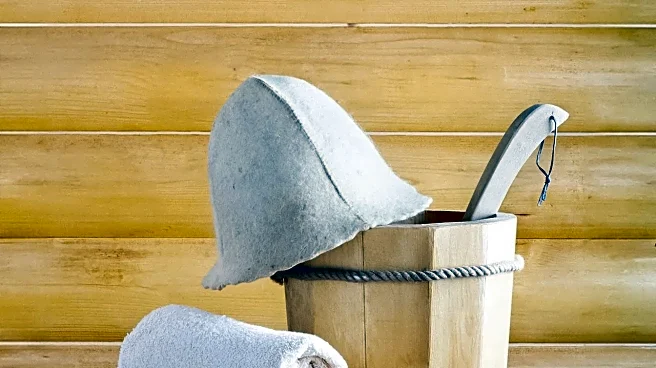
yet deeply penetrating. This steam, known as 'lyogkiy par' or 'light steam,' is central to the experience. A traditional banya is often a simple wooden structure, historically a hub for hygiene, healing, and socializing. It typically consists of three rooms: an entrance and rest area (predbannik), a washing room, and the heart of the ritual, the steam room, called the 'parilka'. Here, water is thrown onto hot stones in a stove to generate the signature enveloping steam.
The Art of the Venik
The most unique element of the banya is the 'parenie'—a thermal massage performed with a 'venik'. A venik is a fragrant bundle of leafy birch or oak branches, soaked in hot water to become soft and pliable. A practitioner, or a friend, gently taps and presses the venik against the body, which might sound strange, but it's far from punishment. This process acts as a massage to improve circulation, an exfoliation treatment for the skin, and a form of aromatherapy as the steam releases the essential oils from the leaves. Birch is prized for its antibacterial properties, while oak contains anti-inflammatory tannins, each adding a therapeutic layer to the ritual.
A Cycle of Shock and Soothe
The banya experience is built on a powerful cycle of extreme temperatures. After sweating profusely in the parilka, the next step is a radical cool-down. This can involve a plunge into an icy pool, a roll in the snow during winter, or simply dousing oneself with buckets of cold water. This contrast therapy causes blood vessels to dilate in the heat and constrict in the cold, providing a workout for the circulatory system. This shock to the system is believed to boost the immune system, improve muscle recovery by flushing lactic acid, and produce a feeling of profound energy and rejuvenation. There’s a Russian saying that after a banya, “you are born again,” which captures this feeling of total renewal.
An Enduring Social Sanctuary
Perhaps the most important reason for the banya's longevity is its social function. For centuries, it has been a place where people of all social classes gather. It's a space for unfiltered conversation, bonding with friends and family, and even conducting business, all without the distractions of modern life. In the rest area between steam sessions, groups relax, drink herbal tea, and talk for hours. This communal aspect, where social hierarchies melt away in the steam, transforms the banya from a simple wellness activity into a deeply human ritual of connection. It’s a place for cleansing not just the body, but the soul.