





Beyond the Blueprint
In the world of cosplay, there are few things more impressive than a screen-accurate costume. The dedication it takes to replicate every stitch, panel, and shade of a character's outfit is a legitimate art form. It requires research, skill, and an artisan's
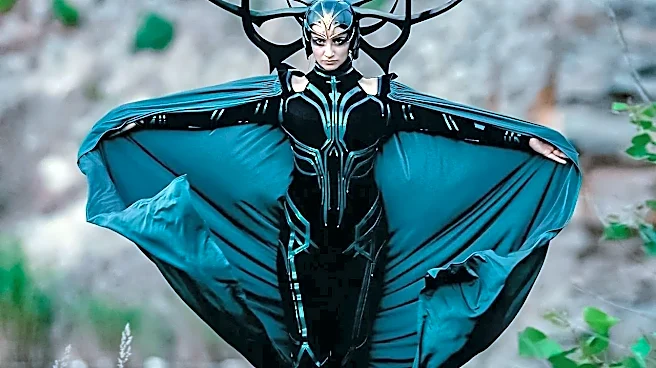
eye for detail. But to say that this is the only valid form of cosplay is to miss the point entirely. Cosplay, at its heart, is a celebration of a character. While accuracy can be a fun and challenging goal, it's not a requirement for entry. The convention floor at NYCC is a living gallery, and its most vibrant exhibits are often the ones that color outside the lines. The goal isn't always to create a perfect replica; sometimes, it's about translating a personal connection to a character into a wearable piece of art. It’s a hobby, not an exam, and there are no rules that say you can only participate if every detail is perfect.
Capturing the Spirit of the Character
More important than the accuracy of a costume is its ability to capture the spirit of the character. Think of a battle-weary Captain America with a scuffed shield and dirt on his face versus a pristine, store-bought suit. The former tells a story. It conveys a personality and a history that resonates with fellow fans on an emotional level. This is where personal interpretation becomes a superpower. A cosplayer identifies with a character's personality and morals, and that connection is what they bring to life. A truly great cosplay communicates who the character is, not just what they wear. The joy comes from embodying a character you love, and that feeling is recognizable to other fans, even if the costume isn't a one-to-one match. Often, it’s the performance—the posture, the poses, the interactions—that sells the illusion and creates a memorable moment for everyone at the con.
The Joy of the Mashup and Reimagining
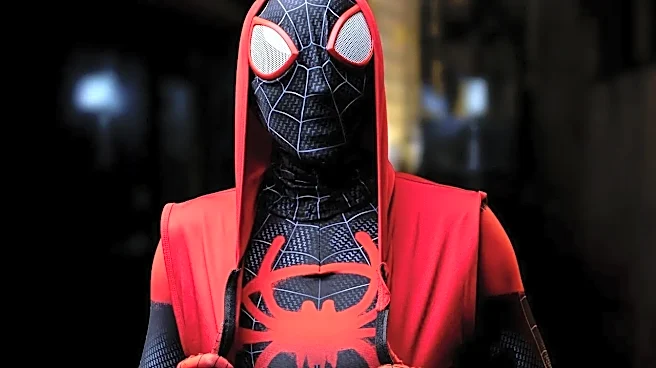
Some of the most celebrated and photographed cosplays at any convention are the ones that break all the rules of accuracy. Mashups, in particular, are a testament to pure fan creativity. Think of a Tusken Raider Mandalorian, a fusion of Marvel heroes with 'Star Wars' armor, or a delightfully dark mashup of Pikachu and Venom. These creations aren't just costumes; they're fan theories brought to life. They ask, "What if?" and answer with foam, fabric, and a lot of ingenuity. The same goes for gender-bent characters, historical reinterpretations (Victorian-era Avengers, anyone?), or zombie versions of beloved heroes. These original takes show a deep understanding of multiple properties and a playful desire to create something entirely new. They are often the highlight of the convention floor, sparking joy and conversation wherever they go.
Cosplay Is for Everyone
Perhaps the most crucial reason that screen accuracy isn't the be-all and end-all is inclusivity. Demanding perfection creates a high barrier to entry, excluding those without a Hollywood-level budget, a specific body type, or professional fabrication skills. The idea that anyone can cosplay any character, regardless of their height, weight, gender, or ethnicity, is a cornerstone of modern cosplay culture. When the focus shifts from accuracy to passion, the community becomes more welcoming. It allows a newcomer with a clever, low-budget costume to feel just as valid as a veteran with an elaborate build. It’s about sharing your love for a character, not proving your ability to perfectly replicate them. This open spirit is what makes the cosplay scene at events like NYCC so dynamic and constantly evolving; it’s a reunion of artists and fans, not a competition.