


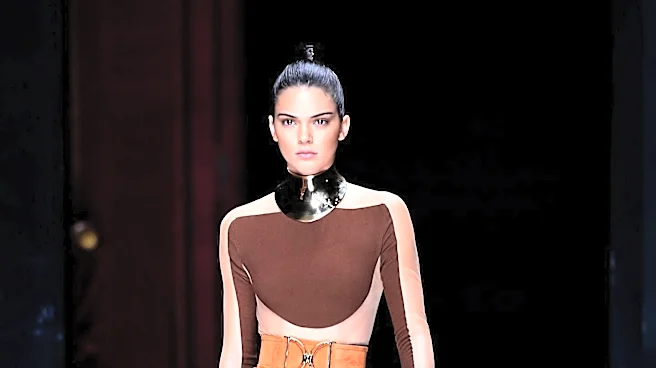
The Column Gown as Canvas
The foundation of many standout looks at this year's festival is the column silhouette. It’s a deceptively simple, narrow shape that acts as a perfect canvas for a single, powerful statement. Instead of piling on ruffles or volume, stylists are choosing
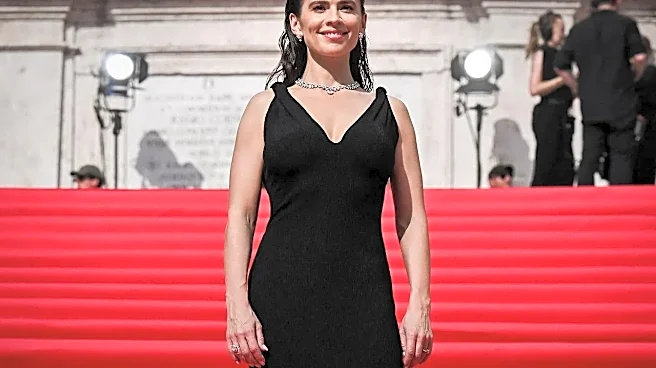
this disciplined cut to create a long, clean line. Look at Amal Clooney in a custom black Tom Ford gown with intricate micro-pleating; the dress sculpts the torso without adding bulk. Or consider Kendall Jenner in a shimmering gold Giorgio Armani slip dress. The silhouette itself is understated, which forces the eye to focus on the fabric's metallic embroidery and the way it catches the light. This approach is about control—choosing one element, whether it's a bold color like Claire Foy’s tomato-red Bottega Veneta gown or a unique texture, and letting it command attention against a sleek backdrop. The drama comes from confidence, not costume.
Texture and Light as the Main Event
When the shape is simple, texture does the heavy lifting. This season in Venice, stylists are using materials that perform for the cameras. Think of liquid-metal fabrics, intricate beading that creates its own light show, and sheer overlays that hint at what’s beneath. Nina Dobrev wore a strapless Armani Privé gown tiled in black sequins, which could have been a standard look. But the drama was injected through sheer chartreuse chiffon panels at the hips that trailed behind her, adding movement and a surprising pop of color without disturbing the clean line of the dress itself. Similarly, Chase Sui Wonders wore a Giorgio Armani column dress where the texture was enhanced by back cut-outs and a diamond brooch pinned to a silk choker, drawing interest to specific points. These aren't just dresses; they are exercises in light and shadow, designed to look dynamic from every angle.
Architectural Details and Negative Space
Some of the most dramatic statements are made by what isn't there. Stylists are increasingly using strategic cut-outs, plunging necklines, and backless designs to create visual intrigue. It’s a technique that adds a dose of daring without a single extra yard of fabric. Amal Clooney’s Tom Ford look featured a double-strap construction, with one set dangling off her shoulders, an architectural detail that felt both intentional and effortless. This creates what stylists call “negative space”—drawing the eye to the skin and the structure of the gown itself. This method reframes the body as part of the overall composition. It’s a modern, confident way to build drama that feels more sophisticated than simply wearing a bigger dress. The effect is sharp, clean, and utterly commanding.
The Power of Unexpected Styling
Finally, drama is built through styling choices that subvert expectations. At an event governed by formalwear, a small rebellion can have a huge impact. Jury president Maggie Gyllenhaal paired a classic satin Celine gown with flat jazz shoes, a choice that immediately signals a modern, unfussy confidence. Claire Foy added another layer of intrigue to her striking red gown with burgundy leather opera gloves, a tonal accessory that added a touch of severity and high-fashion edge. These choices prove that the entire look is a narrative. A stylist isn't just dressing a client; they are helping them tell a story. By focusing on a single disruptive element—be it unconventional footwear, a piece of statement jewelry on a simple dress, or a surprising color combination—they create a memorable moment that stands out in a sea of traditional glamour.