



Powder Blush: The Dependable Classic
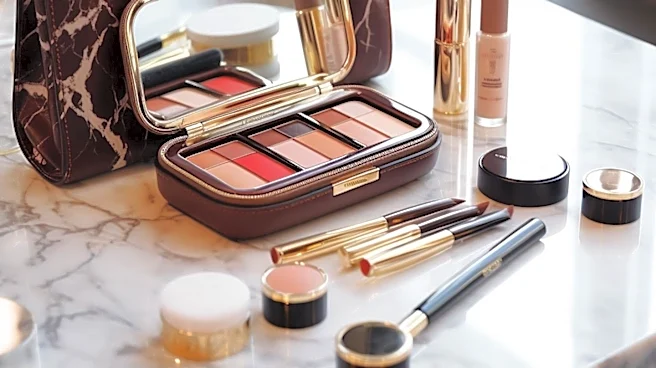
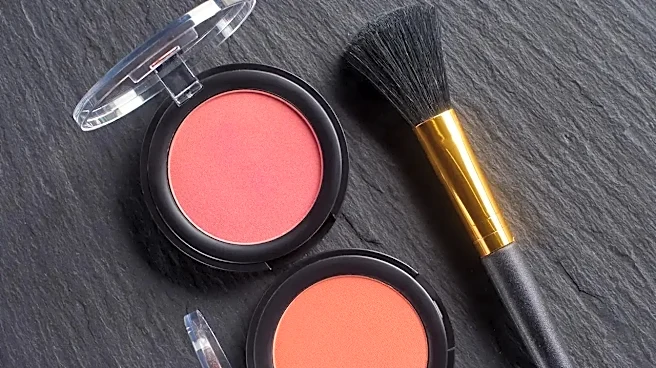
Powder blush is the form most people start with. It’s a finely milled powder, usually pressed into a compact, that offers a buildable wash of color. For those with oily or combination skin, powder is often a go-to because it can help control shine and
typically has impressive staying power, especially in humid weather. Its main advantage for beginners is control; because it builds up slowly, you’re less likely to apply too much in one go. The beginner's pitfall, however, is often in the prep and tools. Applying powder blush over a liquid foundation that hasn't been set can cause it to grab onto damp spots, creating a splotchy, uneven finish. Using a brush that’s too dense or not tapping off the excess product can also lead to a harsh, unblended stripe of color instead of a soft, natural flush. Pros avoid this by ensuring the skin is properly prepped and sometimes by lightly setting their foundation with a translucent powder first to create a smooth canvas.
Cream Blush: The Secret to a Skin-Like Glow
Cream blush has surged in popularity for its ability to create a dewy, “lit-from-within” glow that melts into the skin. Its rich, often hydrating formula makes it a fantastic choice for those with dry, textured, or mature skin, as it won't cling to dry patches or settle into fine lines the way some powders can. The challenge for beginners is that cream blush can be less forgiving. One common mistake is applying it directly over a powder base, which can cause pilling and patchiness. Another is using a swiping or rubbing motion, which can disturb the foundation underneath, lifting it and creating a messy application. Pros know that cream blush works best with a “tapping” or ‛stippling” motion, using either their fingers, a damp sponge, or a stippling brush. This technique presses the color into the skin without moving the makeup below.
The Pro vs. Beginner Skill Gap
The real difference between a professional application and a beginner’s isn’t just about the product—it’s about the technique. Professionals think in layers and textures. They understand that for a seamless blend, creams should be layered over other creams and liquids, while powders should be applied over a set, powdered base. Beginners often mix these without realizing the impact. A pro also has an arsenal of tools and knows which one to use for the desired effect. They might use their fingers to warm up a cream blush for a sheer tint, a dense brush for a concentrated pop of color, or a fluffy brush to diffuse a powder blush for a soft-focus finish. Placement is another key differentiator. While beginners often smile and place blush right on the apples of their cheeks, this can sometimes drag the face down once the expression relaxes. Many artists instead apply blush higher on the cheekbones, blending upward toward the hairline to create a lifted, more sculpted look.
How to Get a Pro Finish With Either Blush
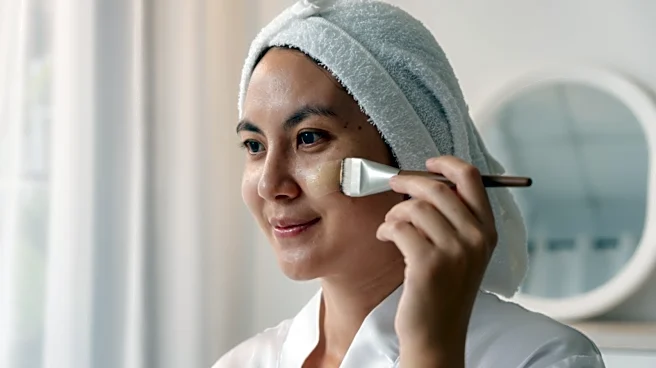
Bridging the gap between a beginner and a pro finish is easier than you think. For Powder Blush: First, ensure your foundation is either fully set or apply a light dusting of translucent powder before your blush. Use a fluffy, tapered blush brush and swirl it in the powder. Crucially, tap off the excess product before it touches your face. Apply the color with a light hand, using sweeping or circular motions to build the pigment gradually. Blending is non-negotiable for a seamless look. For Cream Blush: Avoid applying dots of product directly to your face, as they can start to set before you can blend them. Instead, warm the product up on the back of your hand. Then, use your fingers, a damp sponge, or a brush to pick up the color and gently tap it onto your cheeks. The tapping motion is key—it deposits color evenly without disrupting your base makeup. Start with a small amount and build up to your desired intensity. This method gives you far more control and a more natural finish.