

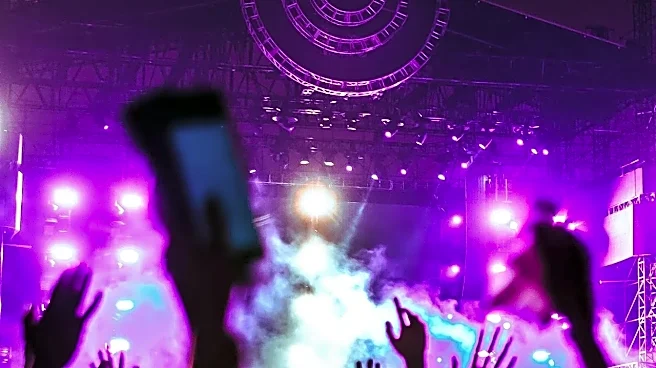
1. The Extended Intro
Instead of launching right into that iconic opening riff, savvy artists build suspense. They’ll use a drum loop, a synth pad, or a new musical phrase to create a runway for the song. This extended intro, often lasting 16 or 32 bars, teases the crowd and
gives the artist space to hype them up. When the familiar chords finally drop, the release of tension is explosive, making the song’s arrival feel like a massive payoff.
2. The Acoustic Breakdown
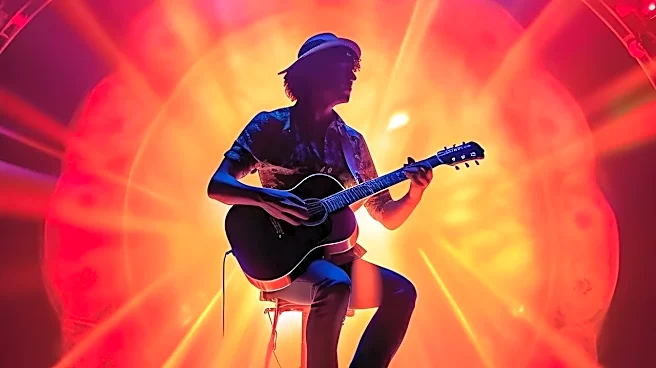
In the middle of a high-energy set, suddenly stripping a song down to its essentials can be a powerful move. The full band drops out, leaving the vocalist with just an acoustic guitar or piano. This hushes the massive festival crowd, creating a moment of surprising intimacy. It allows the lyrics and melody to shine in a new light, drawing thousands of people into a shared, quiet moment before the energy kicks back in. Johnny Cash's iconic cover of "Hurt" is a prime example of how an acoustic arrangement can reveal a song's heavy emotional core.
3. The Surprise Mashup
One of the most thrilling live moments is when an artist weaves another song into their own hit. This could be blending their chorus with a classic rock anthem or dropping a verse from a current hip-hop track over their instrumental break. A successful mashup works when the two songs share a similar chord progression or thematic link. It’s a creative wink to the audience that breaks the routine and creates a one-of-a-kind memory, like when Alicia Keys and John Mayer seamlessly blended "If I Ain't Got You" and "Gravity" live.
4. The Genre-Flipping Remix
What if that folk-pop ballad suddenly had a driving disco beat? Or that rock anthem got a reggae-style breakdown? Artists will often create special "live-only" remixes of their biggest tracks, completely changing the genre to fit the festival vibe. This keeps the performance from feeling like a carbon copy of the recording and gives fans a new way to experience a song they love, transforming a familiar hit into a high-energy dance track.
5. The Guest Artist Cameo
Nothing generates buzz like an unannounced special guest. Festivals are fertile ground for collaboration, with dozens of artists in one location. Bringing another musician on stage to perform a verse or a guitar solo on a well-known hit instantly elevates the performance. It becomes a unique event that rewards the fans who showed up, generating a moment that will be talked about and shared long after the festival ends.
6. The Crowd Participation Cue
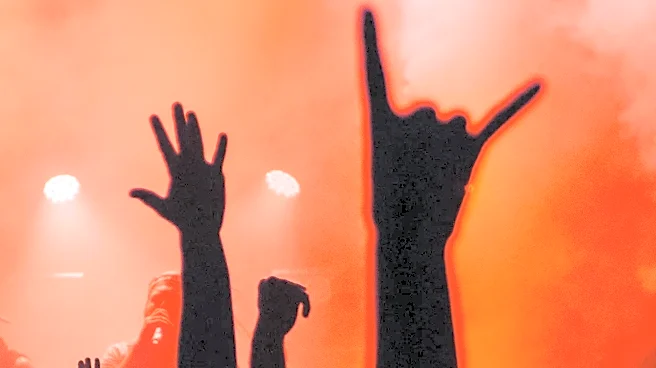
Great performers know how to turn the audience into a part of the band. This goes beyond a simple "sing along to the chorus." It can be a call-and-response vocal section during a bridge, getting the crowd to clap a specific rhythm, or even a Freddie Mercury-style vocal exercise. By giving the audience a specific role, the artist transforms passive listening into active participation, creating a powerful sense of community and shared energy across the festival field.
7. The Heavy Breakdown or Triumphant Outro
Instead of ending the song like the album version, many artists will extend the final section into a massive instrumental crescendo or a heavy, rhythmic breakdown. For rock and electronic acts, this is a chance to showcase their musicianship with intense drumming and guitar work. In pop, it might be a dance break with amped-up percussion. This souped-up ending provides a final, powerful release of energy that leaves the crowd breathless.
8. The Immersive Visuals
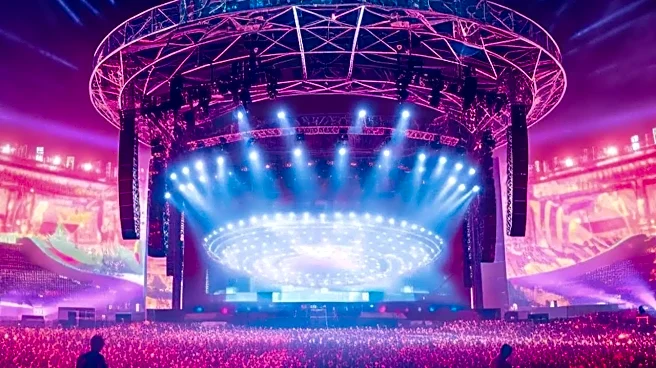
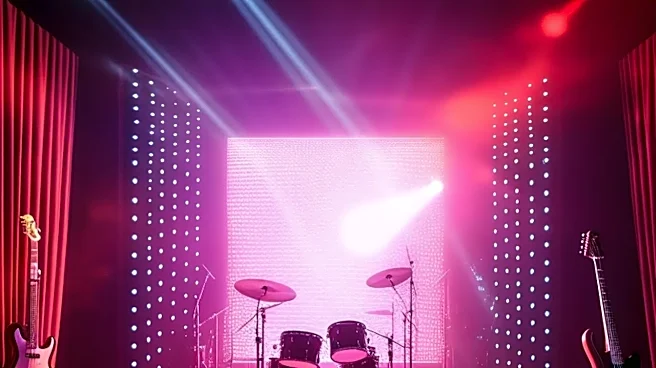
On a massive festival stage, the performance is as much visual as it is auditory. Artists invest heavily in visual production that reinvents the song's story. This can include anything from synchronized light shows and LED screen projections to pyrotechnics and projection mapping that turns the stage into a dynamic canvas. These visuals amplify the song's emotional arc—creating a multi-sensory experience that makes a familiar track feel larger than life.
9. The Spontaneous Vocal Riff
While many elements of a festival show are tightly planned, the best vocalists leave room for spontaneity. Adding a new vocal run, changing a melody line, or ad-libbing over an instrumental section makes the performance feel alive and unique. It shows the artist is truly in the moment, not just going through the motions. This freedom proves to the audience that they are witnessing something special—a version of the song that has never happened before and will never happen again.