


The Power of Unison
The simplest trick is often the most effective. When a trumpet, saxophone, and trombone all play the exact same melodic line at the same time, it's called playing in "unison." This technique combines the unique timbres—or sonic colors—of each instrument
into a single, focused beam of sound. Instead of a chord that might get lost in the mix, you get a powerful, unified statement that is incredibly effective at grabbing the listener's ear. Arrangers often take this a step further by using octaves, having one instrument play the same note but in a higher or lower register. This broadens the sound without muddying it, creating a rich, cutting texture that feels bigger than the sum of its parts.
Smart Voicing Avoids the Mud
When horns do play harmonies, the specific notes they play and how they are spaced out is critical. This is called "voicing." A poorly voiced chord can sound muddy and clash with the frequencies of the vocals, guitars, and keyboards. Smart arrangers know to space the notes of a chord out, often avoiding doubling the root note that the bass player is already covering. They might also use "spread" voicings, where the notes of the chord are far apart, or tight "cluster" voicings for tension. By carefully selecting which notes of the chord each horn plays, arrangers ensure the section adds harmonic richness without stepping on the toes of other instruments, allowing the chord to be heard clearly.
Rhythm Is a Weapon
Often, what makes a horn line so effective isn't just the notes, but the rhythm. Funk and soul music perfected the art of the horn stab—short, sharp, syncopated bursts of sound that lock in with the drummer's snare or the guitarist's upstroke. These rhythmic hits act as punctuation, adding explosive energy that makes a track feel more dynamic and danceable. By playing in the gaps left by the vocalist or lead instruments, the horns create a call-and-response effect that makes the whole arrangement feel alive and conversational. At a festival, these tight, rhythmic punches are what make you move, cutting through the sonic landscape with pure percussive force.
Less Is More
It can be tempting to have the horns play all the time, but the most legendary arrangers know that silence is golden. Horns are loud, powerful instruments, and players need time to breathe. More importantly, leaving space makes the moments when the horns do play that much more impactful. A single, well-placed line or a short, powerful stab can have more emotional weight than a constant barrage of notes. Think of it like a great soloist: the power is in the phrasing and the choices they make. By being selective, horn sections can serve the song, heighten emotion, and deliver maximum impact without overwhelming the rest of the band or the audience.
Using a Mix of Timbres
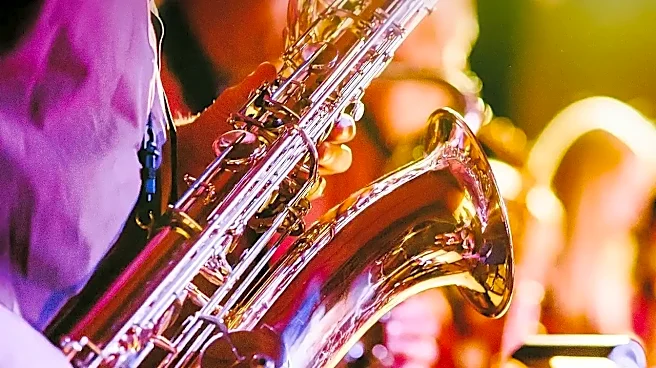
A standard three-piece horn section often features a trumpet, a saxophone (usually tenor), and a trombone. Each has a distinct sonic character: the trumpet is bright and piercing, the trombone is warm and full-bodied, and the sax is reedy and versatile. Arrangers use these different colors like a painter. For a sharp, aggressive line, they might lean on the trumpets. For a warmer, melodic pad, they might feature the trombone and sax. By combining them in different ways—a sax and trombone in unison for a classic soul sound, or a trumpet soaring over the top—they can create a variety of textures that help the section stand out in different parts of a song.