







An Unmistakable Vibe Shift
Let’s be clear: this isn’t the polite, niche enthusiasm of past tournaments. This is a full-blown cultural moment. The numbers are staggering. The USMNT's round-of-16 loss to Belgium drew a combined 50.1 million viewers across Fox and Telemundo, making
it the most-watched soccer telecast in U.S. history. That audience rivals NFL conference championship games. It's not just the U.S. team, either. A jaw-dropping 46.7 million people tuned in to see England play Mexico. Stadiums have been filled to 99.7% capacity, with average attendance soaring 10,000 higher than the 2022 tournament. From coast to coast, public watch parties have become massive community events. This isn’t just soccer finding an audience; it’s an audience demanding soccer.
More Than Just a World Cup Boom
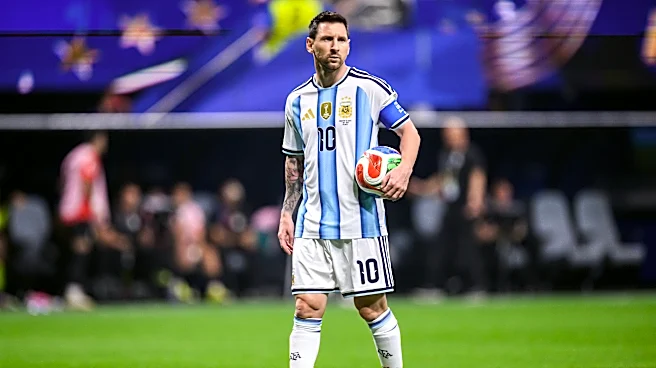
It’s tempting to see this as a temporary fever, but the groundwork for this explosion was laid years ago. Soccer's popularity has been steadily climbing, with one poll finding it has already edged out baseball as the third-favorite sport among Americans. This tournament is less a starting pistol and more of a massive accelerant for trends already in motion. Major League Soccer (MLS) entered the World Cup with serious momentum, reporting a 62% year-over-year viewership increase in early 2026. Youth soccer participation has been robust for decades, creating a generation of fans who grew up with the game. The arrival of global icons like Lionel Messi didn't just sell tickets; it signaled a new level of ambition and credibility for the domestic league, turning casual observers into paying subscribers.
The Hurdles That Still Remain
Before we crown soccer the new king, a reality check is in order. The American sports landscape is brutally competitive. The NFL isn’t just a league; it’s a cultural institution. The NBA has a global chokehold on superstar-driven narratives. Converting World Cup fanatics into consistent, week-in, week-out MLS supporters is the real challenge. U.S. soccer still struggles to retain attention between major tournaments. Furthermore, the quality of MLS, while improving, still has to convince fans it's a worthy alternative to the European leagues they watch every weekend. The domestic league's complex TV deal and salary cap rules, designed for parity, can sometimes hinder the creation of the dominant super-teams that drive international interest.
The Path to a Permanent Place
So what does the future hold? The World Cup's success provides a once-in-a-generation opportunity. MLS is seizing the moment with a marketing campaign explicitly aimed at converting World Cup viewers into league fans. The league’s strategic shift to a summer-to-spring calendar, starting in 2027, will better align it with European leagues, making it easier to attract and retain top talent. The financial windfall from the tournament—with hundreds of millions expected for the U.S. Soccer Federation—will be reinvested into youth development and coaching, addressing the long-term need to build a deeper talent pipeline. The ultimate goal isn't to replace the NFL. It's to solidify soccer's position as an essential, unmissable part of the American sports calendar, right alongside the traditional giants.