









The Pre-Game Scramble
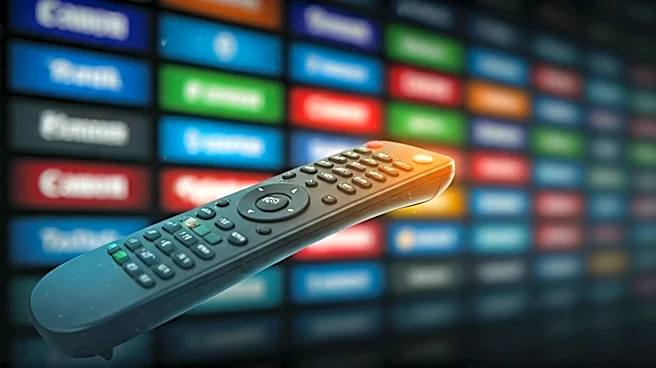
You’ve got the jersey on. The snacks are ready. But the biggest challenge of the day isn’t the opposing team’s defense; it’s your TV remote. Is the match on broadcast television? Basic cable? A premium channel? Or is it locked behind a streaming service
you subscribed to for one show and then forgot about? This frantic, multi-platform treasure hunt has become an unofficial sport for American soccer fans. One minute you’re watching a pre-game show on FS1, the next you’re logging into the Fox Sports app with your parents’ cable credentials, only to realize the specific game you want is exclusively on a Spanish-language network. It’s a uniquely modern form of fan anxiety, where the fear of missing a kick-off is matched only by the fear of discovering you need yet another subscription.
Why Your Remote Needs a Workout
So, why is watching the world’s most popular sport so complicated in the United States? The answer, as always, is money. Global tournaments like the FIFA World Cup or the UEFA European Championship command astronomical fees for broadcast rights. To recoup their multi-billion dollar investments, media companies slice and dice these rights like a butcher carving a prime cut. Fox might own the English-language rights for the World Cup in the U.S., while Telemundo (owned by NBCUniversal) holds the Spanish-language rights. Fox will then spread its games across its main broadcast channel (for the biggest matchups) and its cable channel, FS1 (for simultaneous games or less-hyped contests). Any game might also be streamed on their proprietary app. Each decision is designed to maximize ad revenue, drive cable subscriptions, and push consumers toward their paid streaming platforms. The fan experience, unfortunately, is often a secondary concern to corporate synergy and shareholder value.
Your Tournament Survival Guide
Instead of blindly flipping, you need a game plan. Before a tournament begins, take 15 minutes to map out the media landscape. For major events like the World Cup or Euros, the rights holders are typically consistent. In the U.S., that's been Fox Sports for English-language coverage. This means your primary destinations will be your local Fox station and the cable channel FS1. For Spanish-language commentary, the home is almost always Telemundo and its sister network, Universo. The key is knowing which games are on which channel. The official FIFA or UEFA websites, as well as sports media outlets like ESPN, publish detailed broadcast schedules a few days before each match day. Bookmark that schedule on your phone. It’s your new playbook. For other competitions, like the English Premier League, the home is NBC and its streamer, Peacock. For the Champions League, it’s Paramount+. Know the tournament, know the provider.
Taming the Streaming Beast
Cable is only half the battle. The real wild west is streaming. If you’re a cord-cutter, your best bet is a live TV streaming service like YouTube TV, FuboTV, or Hulu + Live TV. These services bundle the necessary channels (Fox, FS1, Telemundo) into a single interface, which is the closest you’ll get to an all-in-one solution. FuboTV, in particular, has built its brand on being soccer-centric, often offering more international league coverage than its competitors. If you’re trying to save money by using individual apps, get organized. Create a folder on your smart TV or streaming device named “Soccer” and put every relevant app inside it: Peacock, Paramount+, ESPN+, and the Fox Sports app. More importantly, make sure you can actually log in to them *before* the match starts. Nothing is more painful than a password reset screen while the opening goal is being scored.