







The Quest for Structure
Before we dive in, let’s define our terms. A “structured fantasy gown” isn’t just a big dress; it’s a piece of wearable sculpture. It relies on fabric that can hold its shape, support intricate pleating, and create dramatic volume without heavy underpinnings.
The material itself must have body and authority. Both Duchess Satin and Silk Faille are heavyweights in this arena, but they achieve their architectural magic in distinctly different ways, creating unique visual and tactile experiences. The choice isn't about which is better, but which better serves the vision of the final design.
Duchess Satin: The Regal Sheen
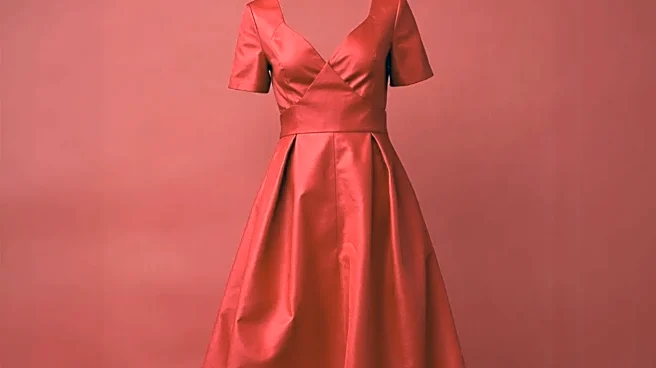
Imagine the classic, impossibly smooth gowns of old Hollywood or royal weddings; you're likely picturing Duchess Satin. This fabric is a heavyweight satin, prized for its high thread count and dense weave. Unlike cheaper, high-gloss satins, Duchess has a sophisticated, pearlescent luster that reflects light softly. It’s firm and holds shape beautifully, making it ideal for creating bold, sculptural forms, clean necklines, and full skirts that need to maintain their volume. While traditionally made of 100% silk, modern versions often include polyester or blends, which can increase durability and affordability. Its surface is flawlessly smooth, which provides a perfect canvas for beading or embroidery but also means it can be less forgiving of sewing imperfections.
Silk Faille: The Understated Rib
Silk Faille is the quieter, more textural cousin in the structured fabric family. Its defining characteristic is a subtle, flat-ribbed texture, similar to but softer than grosgrain. This texture is created by using heavier weft (horizontal) yarns than warp (vertical) yarns in the weave. The result is a fabric with a crisp hand and a matte or low-luster finish. While Duchess Satin is all about liquid smoothness, Faille offers visual depth and a more organic feel. It has excellent body and shape-retention, making it superb for tailored designs, sharp pleats, and architectural elements like bows and folds that need to stand away from the body. It feels substantial yet breathable, and its understated elegance makes it a favorite for modern, minimalist-yet-dramatic bridal looks.
Head-to-Head: Luster vs. Texture
The most immediate difference between the two is how they play with light. Duchess Satin offers a luminous, unbroken sheen that communicates pure opulence. It's fluid and graceful despite its weight, creating soft, rolling folds. A gown made of Duchess Satin will have a radiant glow, catching the light as you move. Silk Faille, on the other hand, absorbs more light due to its ribbed texture, resulting in a subtle, sophisticated sheen rather than a high-wattage shine. The texture adds a layer of visual interest, breaking up the surface so it appears more dimensional. For a bride who wants pure, uninterrupted glamour, Duchess is the clear winner. For one who prefers an aesthetic that is architectural and quietly luxurious, Faille is the perfect match.
The Feel and the Form
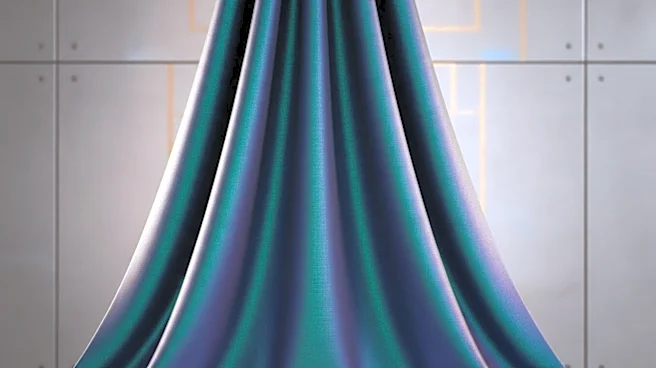
In terms of performance, Duchess Satin is heavy but drapes with a rich fluidity, falling in soft yet substantial folds. It has enough body to stand on its own but still feels like a classic satin. Silk Faille is crisper. It has what designers call “memory,” meaning it holds a crease or a fold exceptionally well, giving it a more sculptural quality. Think of it this way: Duchess Satin is perfect for a grand ballgown skirt that flows majestically, while Silk Faille excels at creating a sharp, A-line silhouette or a dramatic, folded bodice that looks like origami. Both fabrics are sturdy enough to support corsetry and inner construction, a key requirement for any structured gown.
The Practical Choice: Cost and Care
Neither of these fabrics is a budget option, especially in their pure silk forms. Both are considered luxury textiles. Generally, 100% silk Faille and 100% silk Duchess Satin can be comparable in price, with costs often fluctuating based on the specific mill and quality. Blended versions of both fabrics are more accessible. In terms of care, both demand respect. They are almost always dry-clean only. Duchess Satin, with its smooth surface, can be prone to snagging and water spots, requiring careful handling. Silk Faille is quite durable due to its ribbed weave but can also show marks if not handled properly. Wrinkling can be an issue for both, though the heavyweight nature of each helps resist minor creasing more than their lightweight counterparts.