





The Most Famous Dress Code in the World
For Americans, the easiest comparison for Royal Ascot might be the Kentucky Derby—if it lasted five days, was attended by the King, and had a dress code enforced with the seriousness of a state dinner. Founded in 1711, the horse racing event is a cornerstone
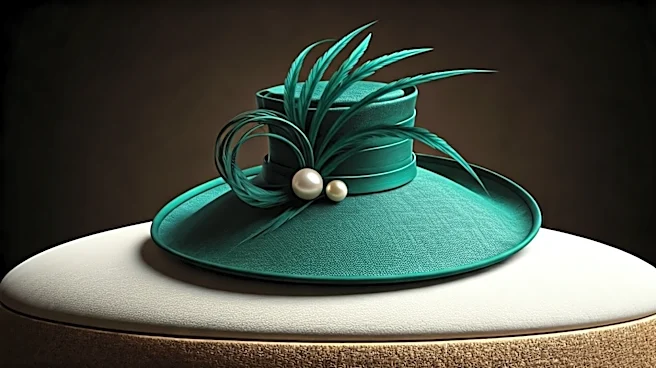
of the British social calendar. The most prestigious area, the Royal Enclosure, has a notoriously strict set of rules for attire. For men, it’s morning suits and top hats. For women, it’s dresses of a “modest length” with straps of a certain width. And, most importantly, it’s a hat. Historically, the hat wasn’t just an accessory; it was the main event. It was a statement of style, status, and respect for the occasion. For decades, the rule was simple and unwavering: ladies wear hats. But as fashion evolved, so did the headwear, creating a gray area that officials would eventually be forced to address.
The Fascinator Fracas
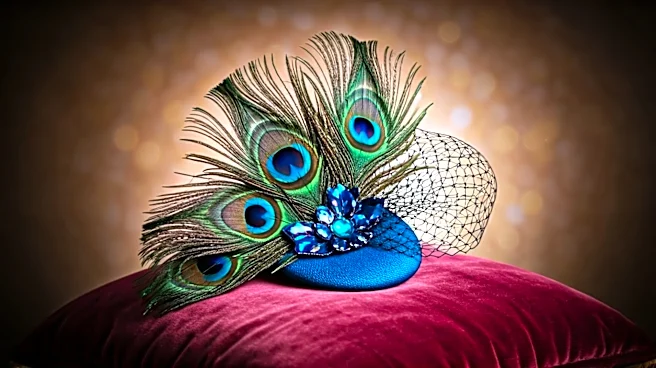
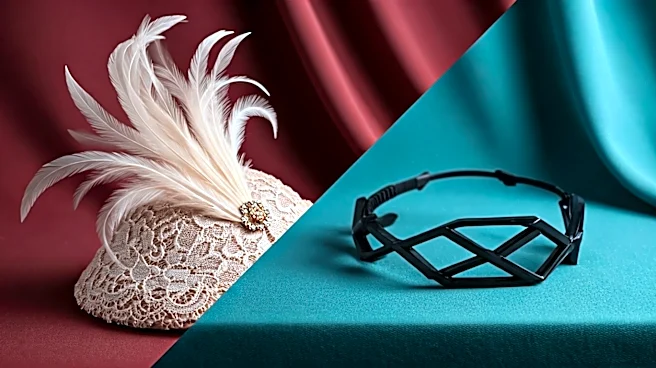
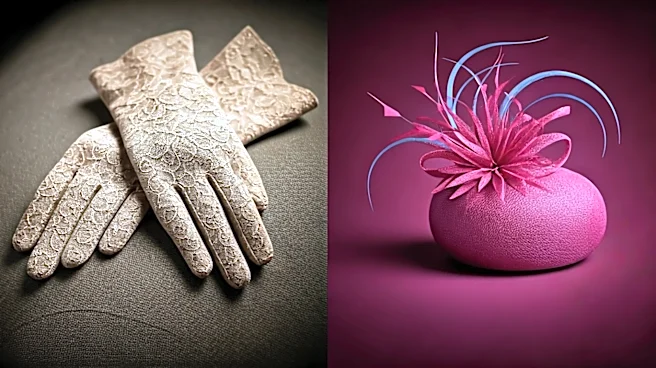
Before the headband became a point of contention, its smaller, more whimsical cousin—the fascinator—caused the first ripple. These small, decorative headpieces, often attached by a clip or a thin band, exploded in popularity in the early 2000s. They offered a playful, less cumbersome alternative to a full-brimmed hat. But traditionalists scoffed. To them, a feather on a clip was hardly a substitute for proper millinery. In 2012, Ascot organizers cracked down. They updated the Royal Enclosure dress code to mandate that all headwear must have a solid base of at least 4 inches (10 centimeters) in diameter. The move effectively banned the wispy, barely-there fascinators and was seen as a clear signal: we’re serious about the hats. This set the stage for the next sartorial puzzle.
Enter the 'Hatband'
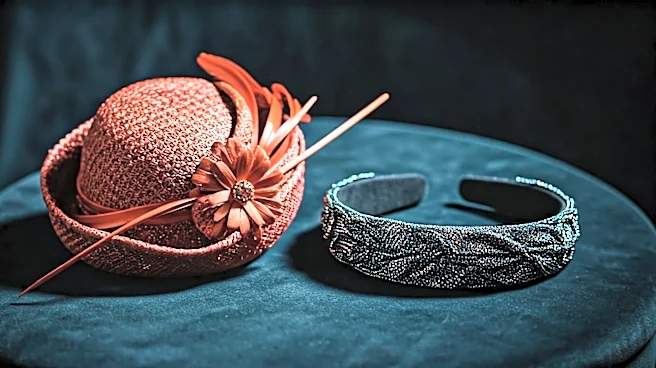
Just as the fascinator was being reined in, another trend was gaining momentum: the statement headband. Not the thin plastic kind from your middle school days, but thick, embellished, sculptural pieces often called “hatbands” or “percher” headbands. Popularized by figures like Kate Middleton, the Princess of Wales, these accessories provided the height and structure of a small hat without the fuss. They were chic, modern, and sat comfortably in a sartorial gray area. They weren't quite fascinators, but were they truly hats? For several years, attendees sported them with a hint of rebellious uncertainty. It was a stylish loophole. A woman wearing a substantial, jewel-encrusted velvet headband looked formal and elegant, but was she technically breaking the rules?
Chic Shortcut or a Diluted Tradition?
This is where the “debate” truly lies. On one side, the headband is a perfect modern solution. It’s a chic shortcut to formality that’s more comfortable, less likely to be windswept, and arguably more versatile than a traditional hat. For many younger attendees, it feels more relevant to contemporary fashion. Proponents argue that as long as it’s a substantial, formal piece, it honors the spirit of the dress code by adding a sense of occasion to an outfit. On the other side, purists see it as a compromise that dilutes the event's unique character. They argue that the challenge of selecting and wearing a magnificent hat is part of the experience. To them, a headband—no matter how opulent—is a step down, a concession to convenience that chips away at the grandeur that makes Ascot, well, Ascot. It’s seen as choosing the easy way out, sacrificing true millinery artistry for a simple accessory.
The Official Verdict Arrives
In 2018, Ascot officials finally clarified their position, officially welcoming the headband into the fold. The style guide was updated to state that headbands and “hatinators” were permitted in the Royal Enclosure, provided they still met the 4-inch base diameter rule. This ruling essentially legitimized the upscale headband as a valid third option alongside hats and large fascinators. The decision was a pragmatic one. Rather than fighting a losing battle against a powerful fashion trend championed by its own most famous attendees, Ascot chose to absorb it. It was an admission that even the most hallowed institutions must evolve or risk becoming irrelevant.