





The Go-Big-or-Go-Home Blockbuster
The first track is all about sheer force. Think of it as the shock-and-awe campaign. Studios are pouring unprecedented budgets into a handful of tentpole films designed to be unmissable cultural events. We’re talking about movies like the sci-fi epic
"Helios Rising" and the much-anticipated superhero crossover "Avengers: Doomsday." These films aren’t just movies; they're global phenomena. Their strategy involves a massive marketing blitz months in advance, securing premium formats like IMAX, and aiming for a colossal opening weekend that dominates the conversation and justifies a budget that often exceeds $250 million. The goal isn't just to sell tickets but to create a sense of urgency. You don't just want to see it; you need to see it now, before everyone else does and the spoilers are everywhere. This approach is a direct response to a changed audience that needs a compelling reason to leave the couch, and a larger-than-life spectacle is often the most convincing argument.
The Slow-Burn Prestige Play
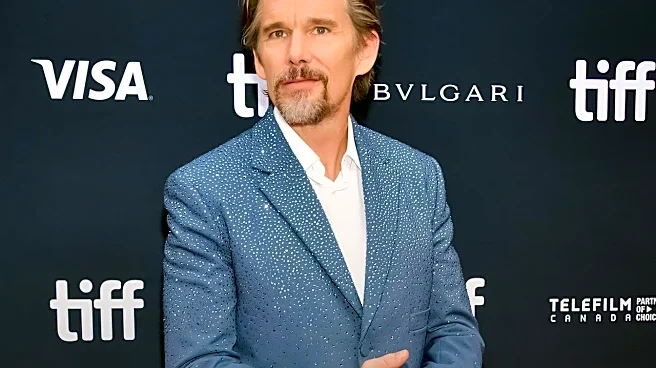
On the other side of the aisle is the prestige film, which plays a completely different game. These are the movies aiming for gold—not just at the box office, but at the Academy Awards. Take, for example, a film like "The Last Conductor," a historical drama getting rave reviews on the festival circuit, or Robert Pattinson's buzzy turn in "Primetime". Instead of a wide-release blitz, these films employ a platform release strategy. They open in a handful of theaters in New York and Los Angeles, building buzz through critical acclaim and word-of-mouth. The marketing is targeted, focusing on film journalists, critics' circles, and awards voters. The entire campaign is a slow, methodical burn designed to build momentum through the fall, peak just as Oscar nominations are being considered, and then expand into more theaters. It’s a strategy that relies on patience and critical validation, transforming a small, character-driven story into a must-see for discerning audiences.
Why the Great Divide is Widening
So why is this split more pronounced than ever? The answer lies in the seismic shifts caused by streaming. Streaming platforms have effectively absorbed the 'middle' of the market—the mid-budget dramas, comedies, and thrillers that used to be reliable theatrical performers. Knowing that many of these films will be available to stream within weeks, audiences are more selective about what they’ll pay to see in a theater. This has forced studios into a polarized strategy. They either need to offer an experience so epic it demands the big screen (the blockbuster) or a film so critically lauded and culturally significant that it becomes an essential part of the awards conversation (the prestige play). The risk of getting lost in the middle is too high. A film that is merely 'good' but not an 'event' can die a quick death at the box office, only to be discovered weeks later on a streaming service.
What It Means for Moviegoers
For audiences, this bifurcated strategy creates a landscape of extremes. On one hand, you have the promise of mind-blowing cinematic experiences that leverage the full power of theatrical technology. On the other, you have a curated selection of high-minded, beautifully crafted stories destined for awards consideration. While the diversity of options might seem robust, the disappearance of the mid-budget studio film from theaters is a notable consequence. The reliable date-night movie or adult-skewing comedy is now more likely to be a streaming-first release. As we head into the holiday season, the battle lines are drawn. Studios have placed their bets, separating the spectacle from the serious. The coming months will reveal which of these high-stakes strategies pays off, not just in box office dollars, but in cultural staying power.