








The Grand Illusion of Size
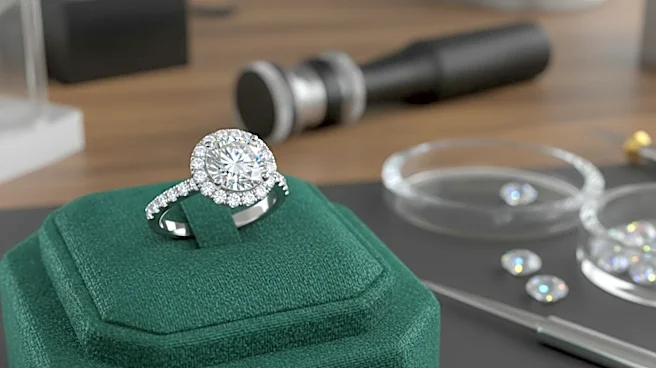
The primary appeal of a halo setting is its ability to make the center diamond appear significantly larger. By encircling the main stone with a frame of smaller pavé diamonds, the ring's total surface area of sparkle increases, tricking the eye into perceiving
a larger center stone. A well-proportioned halo can make a diamond look up to half a carat larger than it is. However, this effect is an illusion created by the combined sparkle. Buyers might focus on this enhanced size and overlook the quality of the center stone itself, when in fact, the brilliance of the halo depends on the quality of both the center and surrounding diamonds. A halo should complement the main diamond, not overpower it.
Craftsmanship Is Everything
Not all halos are created equal, and poor craftsmanship can ruin the effect. One common issue is a visible gap between the center stone and the halo, which can occur when a pre-made setting is used for a diamond it wasn't designed for. An expertly crafted halo should appear seamless. Additionally, the small diamonds in the halo must be perfectly matched in color and clarity to the center stone for a uniform look. The shape of the halo itself should be smooth and symmetrical, not jagged or uneven, which can happen if the wrong number of stones are squeezed into the setting. A flat or bulky halo can also detract from the diamond, whereas one that is slightly angled inward will better accentuate the center stone.
The Hidden Details You Can't See from Above
Many buyers are surprised to learn about the "hidden halo," a contemporary design where the circle of diamonds is placed beneath the center stone, visible only from the side profile. While a traditional halo adds grandeur from a top-down view, a hidden halo offers a more subtle sparkle. This choice impacts the ring's entire personality; the traditional halo is bold and glamorous, while the hidden version is understated with a surprise element of brilliance. Buyers often don't think to inspect a ring from all angles, but the side view is critical for appreciating these design nuances and understanding how the ring will truly look and feel on the hand.
The Unexpected Wedding Band Problem
One of the most frequently overlooked practical considerations is how a halo ring will pair with a wedding band. Because the halo setting often protrudes from the band, a straight wedding ring will not sit flush against it. This creates an awkward gap and can cause the two rings to rub against each other, leading to wear and tear over time. The solution is often a curved or custom-made wedding band designed to fit snugly around the halo's shape. While this creates a beautiful, cohesive look, it's an extra step and potential expense that many buyers don't anticipate when they fall in love with the engagement ring alone. In contrast, many hidden halo designs allow a straight band to sit flush.
The Reality of Long-Term Maintenance
A halo setting's intricate design, with its many tiny diamonds and delicate prongs, requires more maintenance than a simple solitaire. The small crevices between the stones can easily trap dirt, lotions, and oils, dulling the ring's sparkle and requiring more frequent cleaning. More significantly, the tiny pavé stones in the halo are more susceptible to becoming loose or falling out over time due to daily wear. Jewelers often recommend professional inspections every six months to check for and tighten any loose prongs, a level of upkeep many new owners are not prepared for.