



Prep Work: What to Do Before You Start
Before you begin any softening process, the first and most important step is to check the care label on your jersey. Most modern jerseys are made from polyester or a synthetic blend, which can be sensitive to high heat. The label will provide crucial
information about washing temperatures and whether the garment can be ironed or steamed. If it says “Do Not Steam,” proceed with extreme caution or entrust it to a professional dry cleaner. For a pre-softening treatment, you can give the jersey a wash. Turn it inside out to protect any logos or numbers, and use a cold water cycle with a mild detergent. Some enthusiasts suggest adding a cup of white vinegar to the rinse cycle, as its mild acetic acid can help break down the sizing chemicals used in manufacturing that often cause stiffness. Avoid fabric softener at this stage, as it can create a coating that hinders other softening methods.
The Main Event: Steaming for Softness
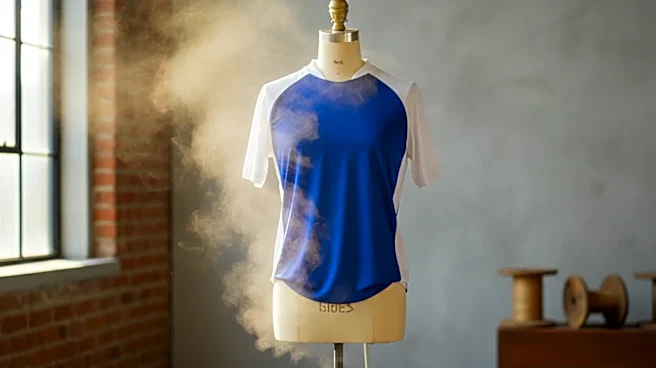
A garment steamer is your best tool for relaxing fabric fibers gently. Unlike an iron, a steamer uses moist heat without direct, high-pressure contact that can melt or create shiny spots on polyester. Fill your steamer with distilled or filtered water to prevent mineral buildup that could spit onto your clothes. Hang the jersey on a sturdy plastic or wooden hanger. Set your steamer to a low or medium heat setting. Hold the nozzle at least six to eight inches away from the fabric, keeping it constantly moving in gentle, sweeping motions. Never let the steamer rest in one spot. Pay special attention to the shoulders and torso, as these areas most affect the drape. Be extra careful around heat-pressed numbers, logos, or patches; excessive heat can weaken the adhesive. Steaming from the inside out offers an extra layer of protection for these delicate details.
Shaping the Drape: Getting the Hang Just Right
Once you've thoroughly steamed the jersey, the work isn't over. How you let it dry and rest is key to shaping its new, softer drape. Leave the jersey on the hanger and let it cool and air dry completely. This allows the freshly relaxed fibers to set in their new, smoother state. Resist the urge to wear it immediately. For the best drape, you want gravity to do some of the work. A wider hanger that supports the full shoulder line will prevent odd stretching or shoulder bumps. Once dry, if the jersey still feels a bit rigid, you can gently work the fabric with your hands. Roll it, fold it, and gently pull on it to further break down the stiffness. It’s a bit like breaking in a new pair of leather shoes; a little bit of manual manipulation goes a long way.
The Art of Layering to Perfect the Look
While your jersey is breaking in, layering is a fantastic way to immediately improve its drape and style. Wearing your jersey over another piece of clothing adds weight and changes how the fabric falls on your body. A classic move is to layer the jersey over a simple hoodie. This not only adds warmth but also fills out the jersey's boxy shape, creating a more structured and intentional streetwear look. For a less bulky option, a long-sleeve T-shirt underneath provides a similar effect, softening the silhouette and adding a touch of contrast. In warmer weather, even a standard T-shirt can help. The key is to choose layers that complement your jersey's colors. Neutral colors like gray, white, or black under a brightly colored jersey create a clean, stylish foundation that makes your team’s colors pop.