




The Old Guard: Armor and Artifice
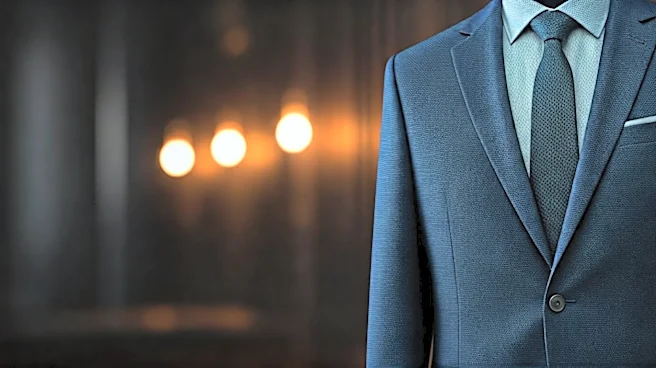
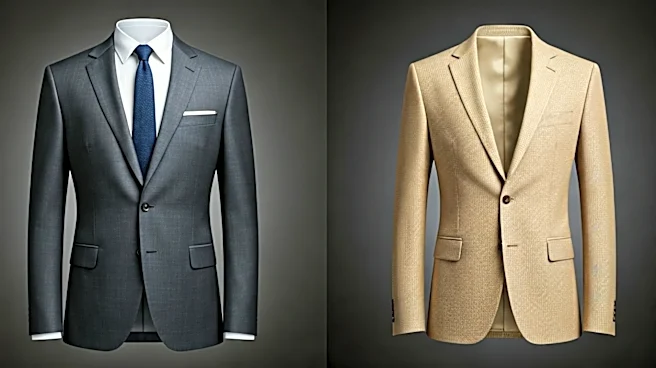
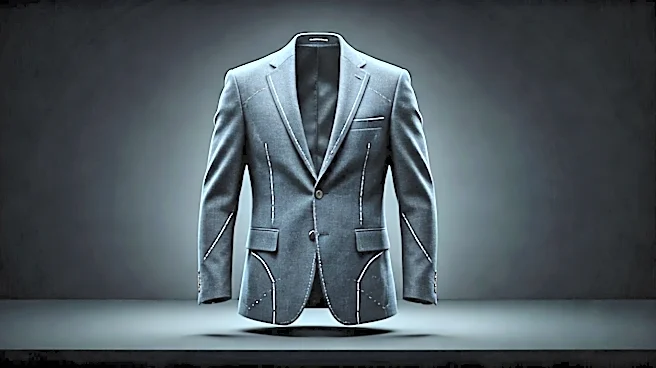
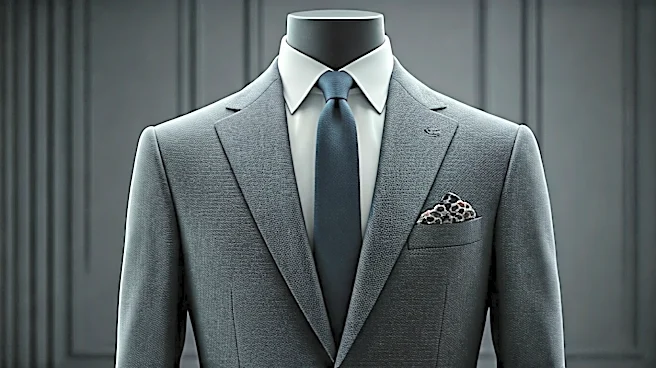
Remember the classic 'power suit'? It was less an outfit and more a piece of architectural engineering. For men, it was the rigid uniform of Wall Street, with broad, padded shoulders and a stark silhouette designed to project authority and conformity.
For women, it was often a spin on the same theme, famously exemplified by the nipped-in waists of Dior's post-war 'New Look' or the shoulder-padded blazers of the 1980s 'Working Girl.' These garments were exoskeletons. The sharp waistline and structured shoulders were tools of artifice, designed to create a specific, often unforgiving shape. They communicated seriousness, ambition, and an adherence to a corporate or social hierarchy. The implicit message was clear: to be taken seriously, you had to fit into a rigid mold, literally and figuratively. This was clothing as costume, worn to play a role.
Enter the 'Soft' Revolution
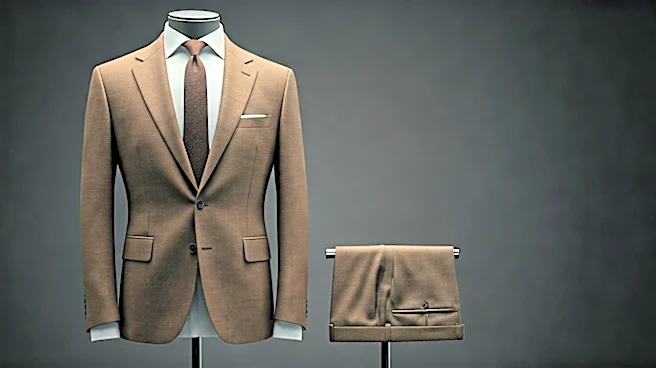
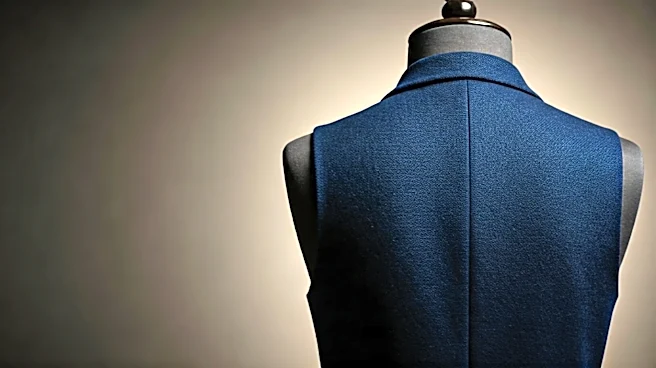
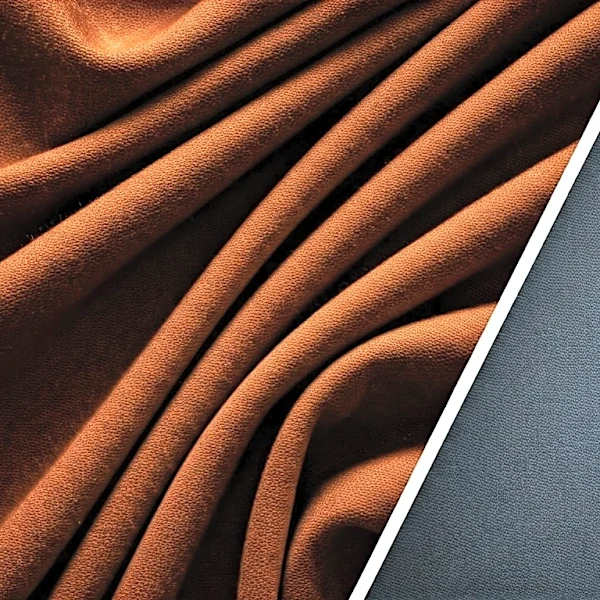
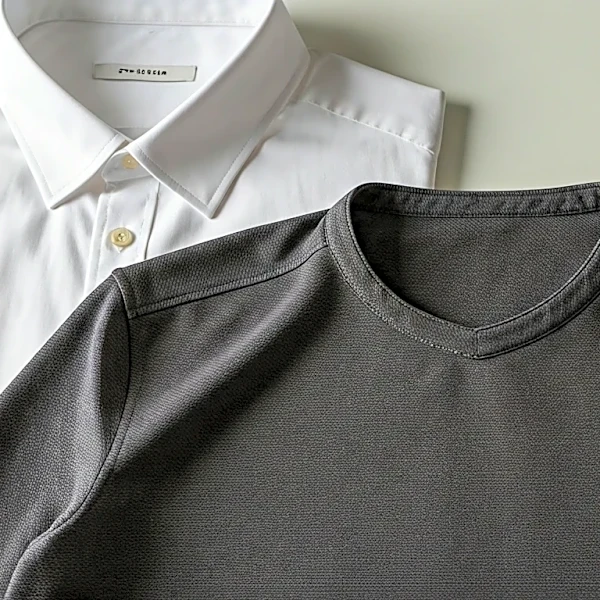
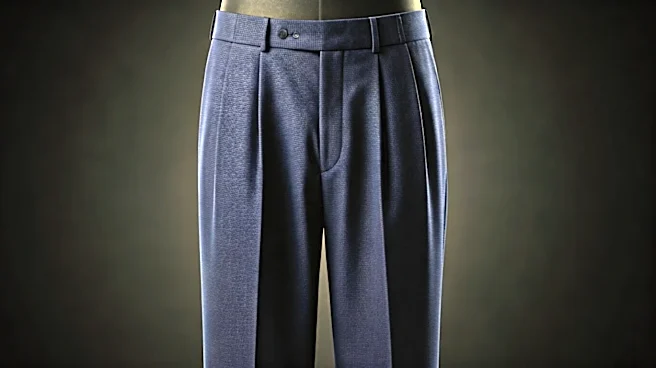
The new wave of tailoring couldn't be more different. Designers at brands like The Row, Zegna, and Lemaire are championing what's often called 'soft structure' or 'relaxed tailoring.' So, what does that look like? Think blazers without stiff lining or shoulder pads, allowing them to drape naturally over the body. Trousers are becoming wider, pooling at the ankle rather than being sharply creased and hemmed. Fabrics are lighter and more fluid—linens, soft wools, and technical blends that prioritize movement and touch. The focus has shifted from creating an imposing silhouette to complementing the wearer's natural form. A soft-structured blazer doesn't force your shoulders into a new shape; it moves with them. This isn't about looking sloppy. The quality and cut are more precise than ever, but the goal has changed from constriction to elegant ease. It's a quiet confidence, exuded through drape and flow rather than sharp lines.
A Reflection of How We Work and Live
This sartorial shift isn't happening in a vacuum. It’s a direct consequence of the massive cultural changes we've undergone, particularly around work. The pandemic shattered the myth that professionalism requires physical presence in a formal office five days a week. As millions traded cubicles for kitchen tables, our collective tolerance for discomfort plummeted. We got used to the freedom of dressing for ourselves, and we're not willing to give it up entirely. Soft tailoring is the perfect compromise. It’s the fashion equivalent of the hybrid work model—a blend of formality and freedom. It allows you to look polished and put-together for a Zoom call or an in-person meeting without feeling like you're wearing a costume. It acknowledges that 'work' is no longer a single, rigid location, but a fluid concept that blends with the rest of our lives. Our clothes are finally catching up to that reality.
More Than Just Being Comfortable
While comfort is a key driver, the pivot to soft structure signifies something deeper. The old power suit was a tool for projecting external authority, often in environments where one's own wasn't enough. The new, relaxed suit suggests a different kind of power—one that is internal and self-assured. It implies you don't need sartorial armor to command a room. Furthermore, this trend is subtly dismantling old gender codes. The oversized, fluid shapes are inherently more androgynous than the hyper-masculine or hyper-feminine silhouettes of the past. A slouchy blazer looks just as natural on a man as it does on a woman, blurring lines and offering a more inclusive vision of what 'dressing up' can mean. It moves the focus from a body shaped by clothes to a person expressed through them. It’s a quiet but profound statement that true confidence doesn't need to be cinched, padded, or sharpened.