





The Existential Terror of Losing 'You'
The core horror of the doppelgänger isn't a jump scare; it's a profound, creeping dread. The German word itself means “double-walker,” and folklore has long treated the appearance of one as a terrible omen. This isn't just about an evil twin; it’s about the erasure
of your unique self. If someone else can walk, talk, and live your life so perfectly that no one notices you’re gone, what made you special in the first place? It’s an existential crisis served with a side of paranoia. Classic television understood this perfectly. In The Twilight Zone episode "Mirror Image," a woman named Millicent Barnes finds her sanity unraveling in a bus depot as her exact double seems to always be one step ahead of her, slowly taking over her existence. The horror comes from her complete inability to prove she is the real one, transforming a mundane setting into a landscape of psychological terror.
Close to Home, But Not Quite
Doppelgängers exploit the chilling phenomenon known as the "uncanny valley," that unsettling feeling we get from something that looks almost human but is just slightly off. An impostor might get the face right but miss the tiny mannerisms and emotional cues that define a person. This dissonance is deeply unnerving because it suggests a malevolent intelligence hiding behind a familiar mask. It’s the ultimate Halloween costume. Some of the best TV episodes play with this concept to create suspense. In the sci-fi series Fringe, the alternate-universe versions of the main characters are not overtly evil but have subtly different histories and motivations, leading to mistrust and heartbreak. The horror lies in the small, almost imperceptible differences that signal something is fundamentally wrong.
The Ultimate Test of Trust
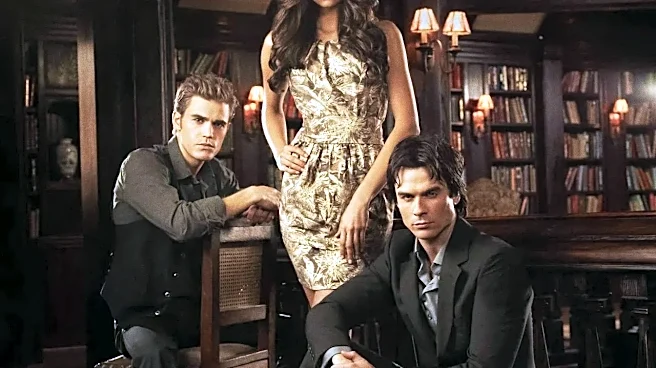
A doppelgänger plot is a fantastic tool for creating dramatic tension because it weaponizes relationships. Suddenly, the hero can’t trust their friends, their family, or even their own perception. Is the person you love truly them, or an impostor waiting to strike? This forces characters to rely on deep knowledge of one another, turning emotional intimacy into a survival tool. The Vampire Diaries built entire seasons around this premise, with the Petrova doppelgängers like Elena Gilbert and Katherine Pierce. Katherine, Elena’s villainous double, masterfully impersonated her to manipulate the Salvatore brothers, creating a web of lies where one wrong guess could be fatal. The drama wasn't just about fighting a villain; it was about the sickening realization that the face of your greatest love could also be the face of your greatest enemy.
A Funhouse Mirror for Our Heroes
Sometimes, the double isn’t just an enemy but a dark reflection of the hero’s own soul. This allows a show to explore a character’s repressed desires, fears, and worst impulses without permanently corrupting the protagonist we know and love. In a memorable episode of Buffy the Vampire Slayer titled "The Replacement," Xander Harris is accidentally split into two versions of himself: one possessing all his confidence and suave charm, the other saddled with all his insecurities. While played for laughs, the episode brilliantly dissects his self-loathing by forcing him to literally confront the parts of himself he hates and the person he wishes he could be. The two Xanders eventually learn to appreciate each other, offering a surprisingly wholesome take on the trope. It proves that a doppelgänger doesn't always have to be a harbinger of death; sometimes, it’s a catalyst for self-acceptance.