






When the curtain rises on the 60th Annual CMA Awards, viewers see a seamless spectacle of star power and song. But behind the effortless glamour lies a paradox: the briefest moments on screen are often the product of the most grueling work.
The Illusion of Effortless TV
A live awards
show is a meticulously timed machine, planned down to the second. The three-hour broadcast from Nashville's Bridgestone Arena may feel spontaneous, but it's a high-wire act of coordination involving hundreds of crew members. Producers, like Robert Deaton and Alan Carter, work from a 'rundown', a master document that scripts every camera movement, lighting change, and commercial break. Straying from this timeline by even a few seconds can have a domino effect, potentially cutting short a winner's speech or delaying a multi-million dollar ad spot. This rigid structure means that seemingly simple segments are rehearsed extensively to ensure they fit their allotted window perfectly, leaving no room for error when millions are watching live.
The Award Presentation Gauntlet
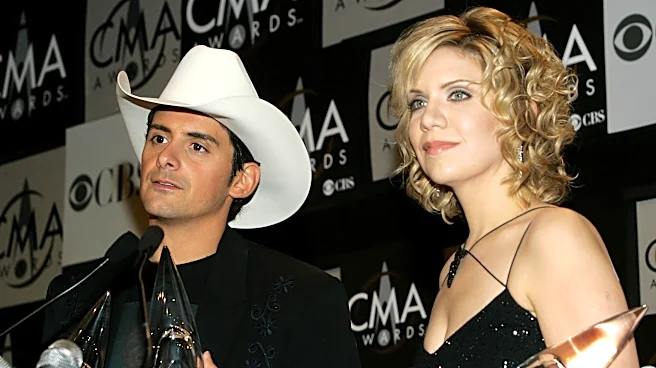
Handing out a trophy looks easy. A presenter walks out, reads a teleprompter, opens an envelope, and announces a winner. The whole segment might last just 90 seconds. Yet, the logistics are staggering. It starts with coordinating the schedules of A-list presenters, scripting their banter, and ensuring the correct winner's name is securely in the envelope, a process overseen by professional services firms like Deloitte. On the floor, stage managers cue the presenter’s entrance, camera operators frame the shot, and a separate camera crew is dedicated to capturing the nominee's reactions at their table—a shot many consider essential. The moment the name is read, the audio engineer must trigger the correct walk-up music, the lighting director must spotlight the winner, and a production assistant starts a countdown clock to keep the acceptance speech on time. It’s a synchronized sprint full of potential tripwires.
The Lightning-Fast Stage Change
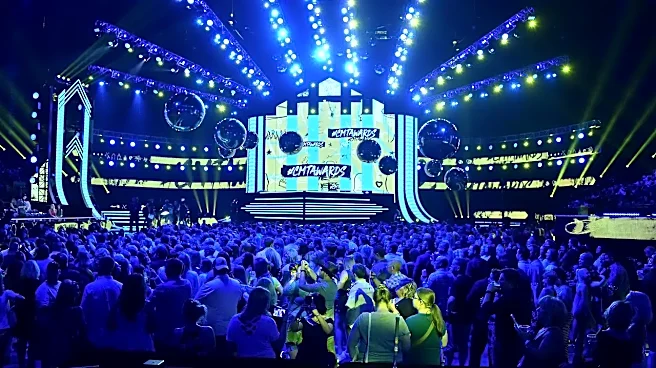
One of the biggest logistical hurdles is the musical performance changeover. While viewers watch a commercial break, a backstage army materializes. In under three minutes, a crew of dozens must strike the previous artist's entire set—from microphones and monitors to drum risers and scenic backdrops—and replace it with a completely new one for performers like Ella Langley or Tim McGraw. These transitions are choreographed with military precision. Sets are often built on rolling platforms to expedite the process, and every wire, instrument, and prop has a designated place. The audio and lighting teams work simultaneously to reset their complex systems for the new performance. It’s an intense, coordinated rush to create a unique, polished look for a single three-minute song.
The 'In Memoriam' Tightrope
The 'In Memoriam' segment is one of the most emotionally resonant and technically delicate parts of the show. For the 2026 awards, this will include a special tribute to the late Dolly Parton. The process begins months earlier as a committee carefully curates a list of artists and industry figures to honor from hundreds of potential names. The production team must then source high-quality photos and video clips, secure the rights to use them, and edit them into a moving montage that fits a precise runtime—often just a few minutes. This is timed perfectly to a live musical performance, meaning the on-screen visuals must sync with the music's emotional arc. The segment's brevity belies the immense sensitivity and detailed planning required to pay proper respect without a single misstep.