


The Unbreakable Rules of the Row
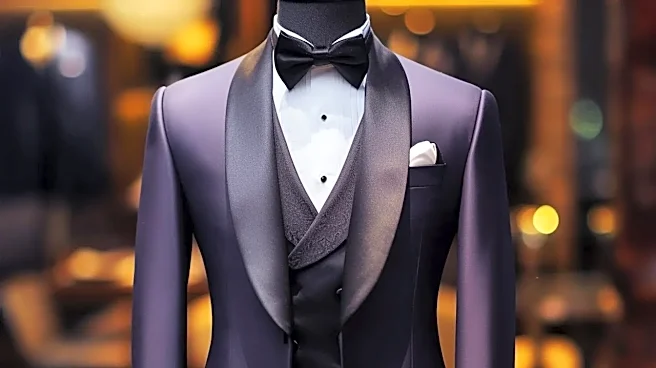
Think of a classic British suit, and a distinct image comes to mind. It’s the sartorial equivalent of a fortress: structured shoulders, a fully canvassed chest to create a strong silhouette, and durable, heavy fabrics. This is the legacy of Savile Row,
the London street synonymous with bespoke tailoring. For over two centuries, its craftsmen have created garments built on a foundation of rules—rules about fit, function, and formality. The goal was never to follow fleeting fashion but to create a timeless, near-indestructible garment that projected authority and good taste. It was clothing as armor, engineered to last a lifetime and adhere to a strict code of what it meant to be well-dressed.
Dressing Down, But Making It Formal
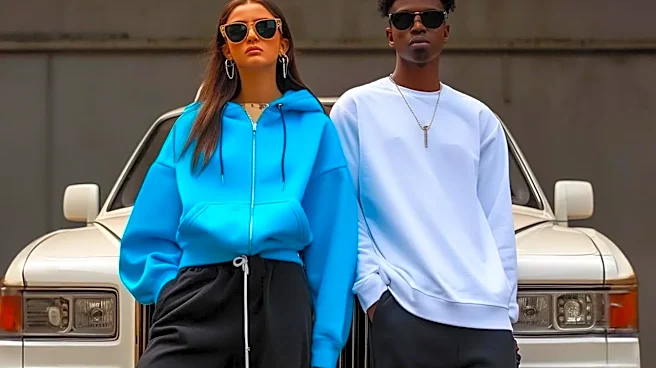
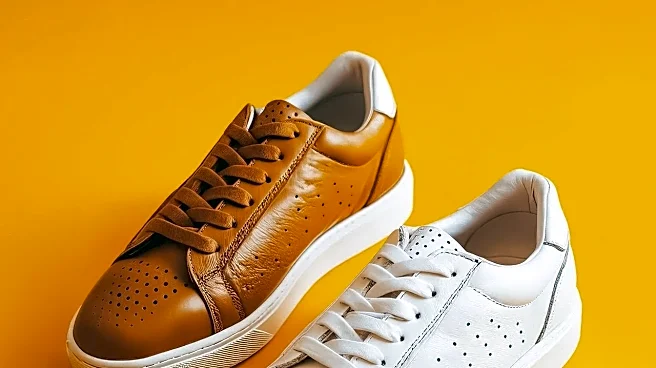
Enter the younger generation, shaped by the rise of streetwear, the normalization of hybrid work, and a different set of values. For Gen Z and millennials, personal expression, authenticity, and comfort often outweigh rigid tradition. This mindset has radically altered the approach to formal dressing. The new guard doesn't see a suit as a mandatory uniform but as one of many tools for self-expression. They question the necessity of a tie, embrace sneakers with tailored trousers, and prioritize fabrics that feel good and move with the body. It's less about conforming to an old ideal of professionalism and more about bringing a sense of considered, individual style to every occasion.
Where Tradition Meets the Trend
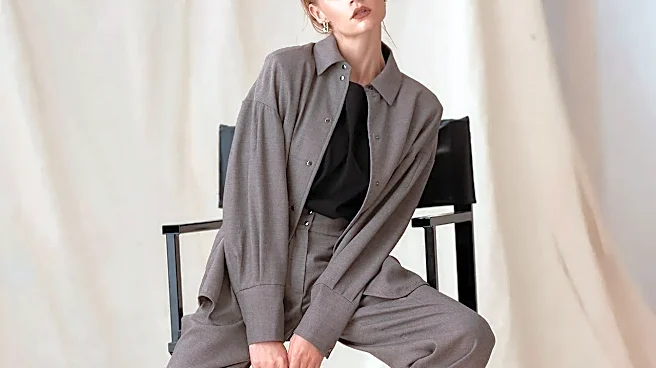
Instead of a hostile takeover, what's happening is a fascinating fusion. Savile Row and the wider world of British tailoring are adapting, not abandoning, their principles. This shift is most visible in the rise of "soft tailoring." Unstructured blazers, which ditch the heavy padding and internal canvases, are becoming a modern staple. They offer the elegant lines of a tailored jacket but with the comfort of a cardigan. Similarly, we're seeing established houses and new designers experiment with pairing finely tailored jackets with luxury knitwear, heavyweight t-shirts, or even elegant drawstring trousers. The result is a look that respects the craftsmanship of tailoring but discards its stiffness, creating something new, versatile, and distinctly modern.
How the Modern Man Wears a Suit
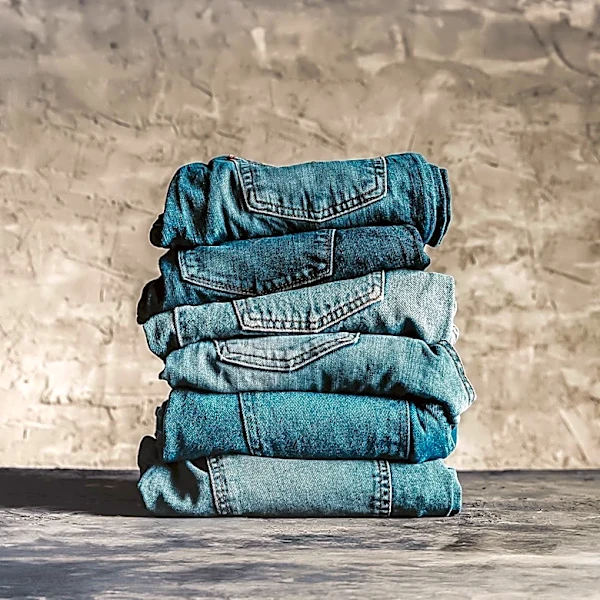
So what does this hybrid look like in practice? It’s about breaking the suit into its component parts and rebuilding it. A double-breasted jacket, once a bastion of formality, might be worn open over a t-shirt and jeans. A pair of bespoke trousers in a rich tweed or flannel could be paired with a simple crewneck sweater and clean, minimalist sneakers. The key is the intentional contrast—mixing the high craftsmanship of a tailored piece with the relaxed attitude of casualwear. It’s a move away from the idea that a suit must be worn as a complete, indivisible uniform. Instead, each piece is valued for its quality and can be integrated into a wider, more personal wardrobe, proving that true style lies in how you reinterpret the rules, not just in how you follow them.