





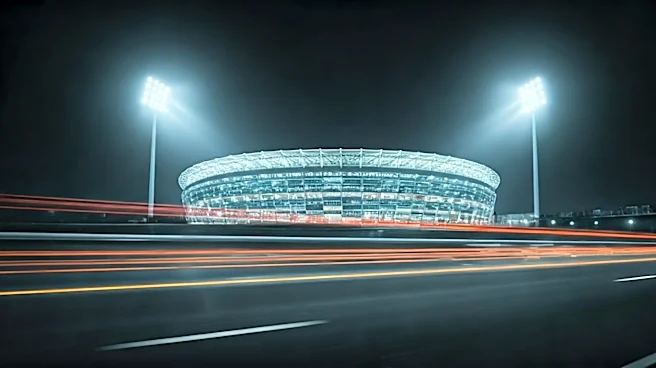


Estadio Azteca, Mexico City: The Cathedral
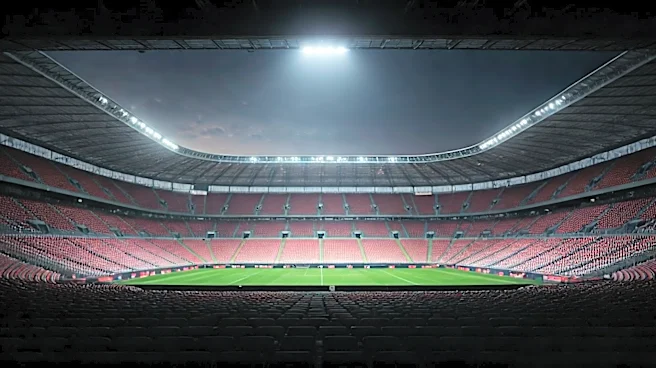
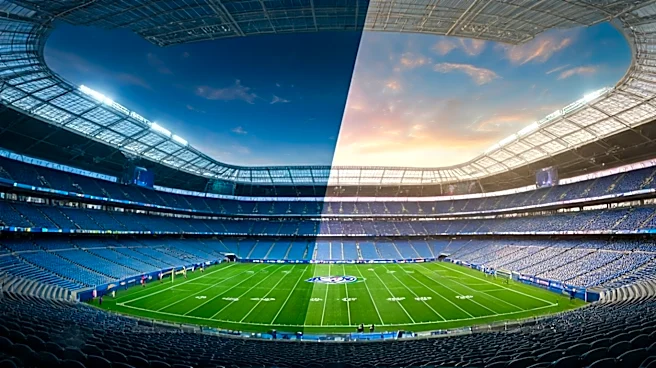
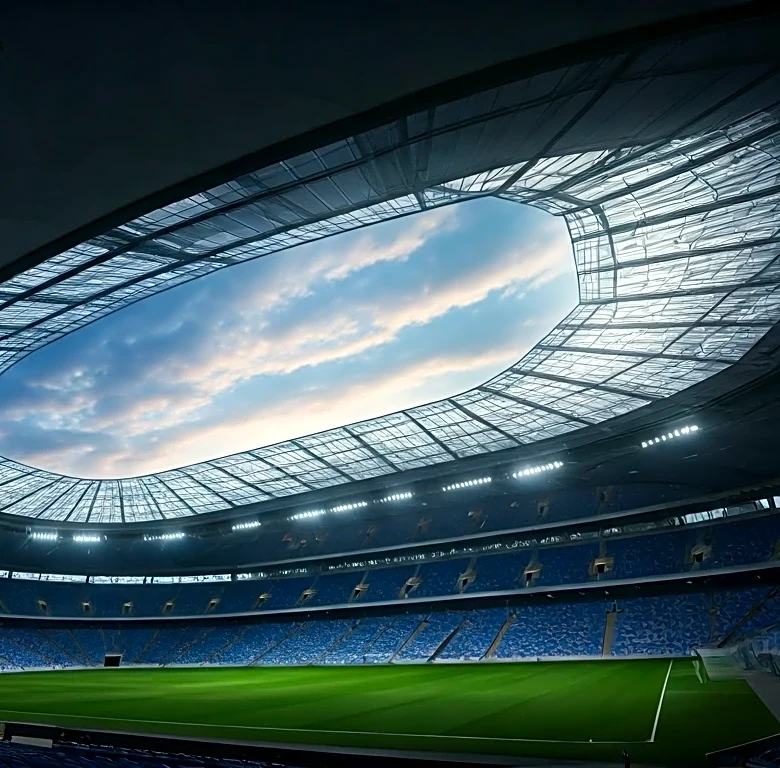
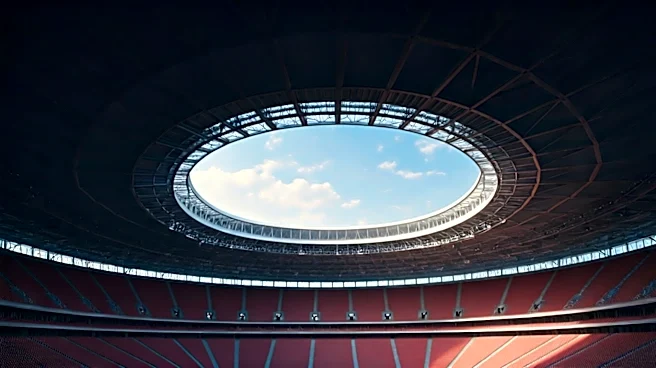
There is no venue in the 2026 tournament that carries more history or soul than Estadio Azteca. It is the only stadium to have hosted two previous World Cup finals, witnessing the coronation of Pelé's Brazil in 1970 and Diego Maradona's 'Hand of God'
and 'Goal of the Century' in 1986. The stadium itself is a monument, an 87,000-seat concrete bowl designed to trap noise and intensity. Add the passion of the Mexican supporters and the punishing 7,200-foot altitude that drains unacclimatized opponents, and you have the most formidable home-field advantage imaginable. For the opening match of the 2026 tournament, the atmosphere won't just be electric; it will be historic.
Lumen Field, Seattle: The Wall of Sound
Known to NFL fans as the home of the '12th Man,' Lumen Field in Seattle was engineered for noise. Its two massive, cantilevered roofs cover 70% of the seats, trapping sound and reflecting it back onto the field with ferocious intensity. Seahawks fans have set world records for crowd noise here, with roars reaching levels comparable to a jet engine. But this isn't just an American football town. Seattle has a deep, authentic soccer culture, with the Sounders FC boasting some of the highest attendance numbers in MLS history. Fans here don't need to be told when to cheer. For a high-stakes knockout match, the relentless, educated, and seismic energy of this stadium could easily overwhelm an unprepared team.
Arrowhead Stadium, Kansas City: The Record Holder
Officially the loudest outdoor sports stadium in the world, Arrowhead holds the Guinness World Record for a crowd roar of 142.2 decibels. While its reputation was built on the back of Kansas City Chiefs football, its unique design makes it a sleeping giant for soccer atmosphere. The steep, unobstructed seating bowl was specifically designed to keep sound in, creating an intimidating environment where referees have famously had to ask the crowd to quiet down. With a capacity of over 76,000, it's one of the largest venues in the tournament. When a crucial quarterfinal match comes to Kansas City, the sheer volume created by tens of thousands of passionate fans could become a decisive factor.
Mercedes-Benz Stadium, Atlanta: The Modern Marvel
If Azteca is about history, Atlanta's Mercedes-Benz Stadium is about the powerful, modern energy of American soccer. Since its debut, Atlanta United FC has shattered MLS attendance records, frequently drawing crowds of over 70,000. These aren't passive spectators; they are a loud, engaged, and diverse fanbase that has quickly established one of the best matchday experiences in the country. The stadium itself is a spectacle, but it's the proven, consistent passion of the Atlanta soccer community that lands it on this list. Many believe its atmosphere during the World Cup will surprise people, proving that a new-guard American city can produce a roar to rival the old-world giants.
BMO Field, Toronto: The Intimate Fortress
What BMO Field lacks in sheer size, it makes up for with intimacy and intensity. As a true soccer-specific stadium, the stands are right on top of the action, creating a European-style atmosphere that many of the larger, multi-purpose NFL venues can't replicate. Fans describe the experience as having not a bad seat in the house, which fosters a connected and unified wall of sound. Home to a passionate Toronto FC fanbase and the Canadian national teams, the stadium has a reputation for being a fortress where the crowd plays a vital role. For teams accustomed to playing in cavernous arenas, the compact, loud, and hostile environment of BMO Field could be a significant shock to the system.