




The Ultimate Equalizer
In open play, superior talent usually wins out. Speed, technical brilliance, and telepathic chemistry allow powerhouse teams to dominate possession and create chances. But a corner kick is a hard reset. It’s a dead ball, a manufactured moment of opportunity
where meticulous planning can overwhelm raw ability. For about ten seconds, the pitch shrinks to the 18-yard box, and the game becomes a battle of organization, physicality, and nerve. For an underdog that spends most of the match defending deep in their own half, a corner is a precious attacking platform. It’s their chance to send their biggest, most physically imposing players forward and challenge a defense in a chaotic, high-pressure scenario. This is why set pieces have long been seen as a crucial weapon for teams looking to punch above their weight.
The Art of the Delivery
Not all corners are created equal. The type of delivery is the first step in any successful routine. An in-swinging corner, where the ball curls toward the goal, is designed to cause maximum panic. It forces the goalkeeper to make a difficult decision: stay on their line or attempt to claim a ball moving through a crowd of players. An out-swinging corner, which curves away from the goal, is often harder for defenders to attack and can be perfect for finding a teammate arriving late at the back post. Some underdogs even favor a low, hard-driven ball across the face of the goal. This tactic isn't about finding a head; it's about creating chaos, hoping for a lucky deflection off a defender or a simple tap-in from an attacker crashing the six-yard box.
Creating Calculated Chaos
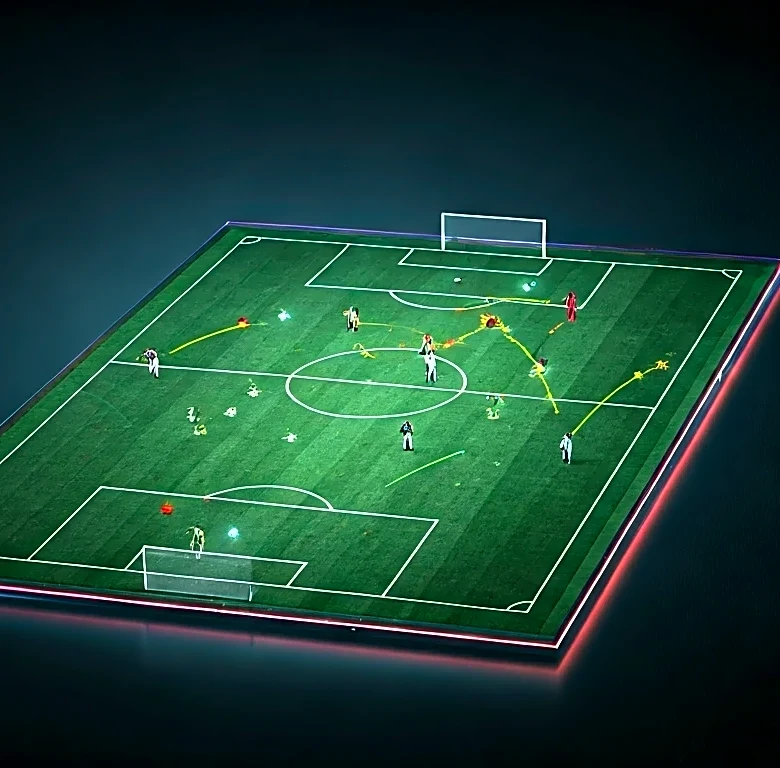
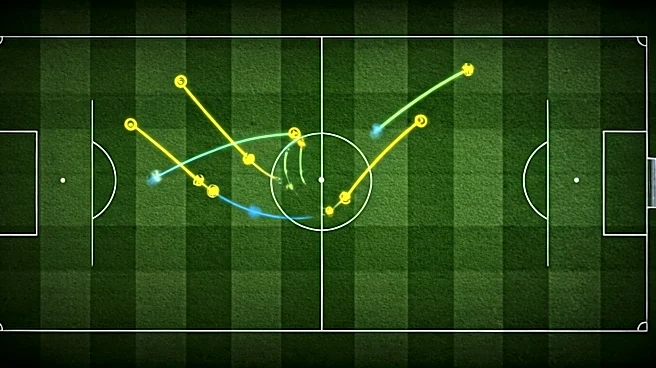
The real genius of an underdog's corner is in the movement. Coaches design specific plays to manipulate the defensive setup. A common tactic is the "overload," where multiple attacking players swarm one area—like the near post—to create a numerical advantage. Another is the use of "blocks" or "screens," where one attacker's primary job is to legally impede a defender who is trying to mark the team's best header. This creates a precious yard of separation for the target player to attack the ball. You'll also see teams use decoy runs to drag defenders out of key zones, opening up space for a teammate to exploit. Some of the most effective routines involve a group of players starting near the back post and then sprinting in different directions as the kick is taken, causing confusion and making it nearly impossible for defenders to track their runners.
The Psychological Warfare
Scoring from a corner is the ultimate goal, but even a near-miss can have a profound psychological impact. A well-executed corner routine is a statement of intent. It tells the favored team that the underdog is not just here to defend and survive; they are organized, have a plan, and can score at any moment. For a giant accustomed to controlling the game, this plants a seed of doubt. Suddenly, conceding a corner feels as dangerous as giving up a breakaway. You can see the tension rise in the defense and the goalkeeper. This pressure can lead to mistakes, nervous clearances, and a general shift in momentum. For example, in the current 2026 World Cup, analysts have noted how underdog teams like DR Congo's deep defensive block naturally leads to a high volume of corners for their opponents, but it also makes each of their own rare set-piece opportunities a moment of extreme focus and potential reward.