


The Invisible Zipper
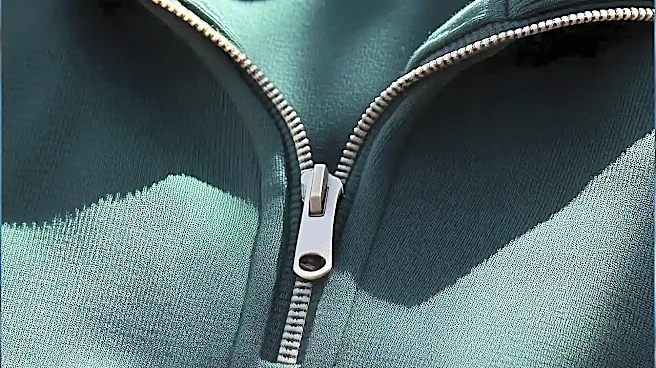
This is the chameleon of closures, designed to disappear into a seam. Its teeth are hidden on the backside of the zipper tape, making it the top choice for formalwear, evening gowns, and tailored dresses where a clean, uninterrupted line is essential.
An invisible zipper creates a smooth silhouette, allowing the fabric and cut of the dress to take center stage. You'll find it running down the back or side of everything from a minimalist crepe sheath to a floral bridesmaid dress. The downside? It can be delicate, and zipping it up solo often requires a bit of flexibility.
Buttons and Loops
Buttons can be either the star of the show or a discreet functional element. On a casual shirt dress, a full placket of flat buttons is classic and practical. On formal and bridal gowns, a row of tiny, fabric-covered buttons running down the back is a timeless, elegant detail that adds texture and visual interest. Often, these decorative buttons conceal a more practical zipper underneath, giving you the beauty without the time-consuming effort. For fabrics with more thickness, like wool, shank buttons (which have a small loop on the back) provide the necessary space for the fabric to sit comfortably without pulling.
The Hook and Eye
This small but mighty fastener is the ultimate support system. A hook and eye is almost always found at the top of a zipper on a dress, where its job is to align the two sides of the garment and take the strain off the zipper, making it easier to pull up. This tiny metal closure provides a secure fastening point that lies flat and is usually hidden from view. In some designs, like dresses with a corset-inspired bodice or a deep V-neck, a series of hooks and eyes can become a visible, edgy design detail. They're essential for ensuring a crisp, gap-free closure at the neckline or waistband.
Fabric Ties and Wraps
In some dresses, the closure is built right into the silhouette. Wrap dresses are the most famous example, using long fabric ties to cinch the waist and secure the dress. This offers incredible adjustability and a comfortable, customized fit. Other styles might use fabric ties at the back of the neck on a halter dress or as a delicate detail on an open-back design. The key here is flexibility and softness; this closure works best on garments where structure is secondary to drape and comfort, like loungewear or a breezy summer sundress.
Snaps or Press Studs
Snaps offer a quick, press-to-close functionality that works best in specific situations. While less common on the main body of a dress, you might find them used for discreet closures on cuffs, at the top of a keyhole back, or to secure an internal flap. They are generally not strong enough for high-tension areas like a fitted waist, but they excel where a light-duty, hidden fastener is needed. Sew-on snaps are often used on delicate fabrics, while metal press-studs, which require a tool to apply, are more common on casual or utility-inspired garments.
The Lace-Up Corset Back
Most often seen in formal and bridal wear, the lace-up or corset back is both a functional closure and a dramatic style statement. It allows for a highly adjustable fit, as the laces can be tightened or loosened to perfectly sculpt the bodice to the wearer's figure. This provides excellent structure and support, often creating or enhancing an hourglass shape. While visually stunning, it almost always requires assistance to lace up properly and is a more time-consuming option compared to a simple zipper.