


The Myth: The Art of Trying Without Trying
For decades, the global perception of French menswear has been dominated by a single, powerful idea: effortlessness. It’s the sartorial equivalent of a perfect croissant—seemingly simple, yet impossibly refined. This is the man who rolls out of his Haussmannian
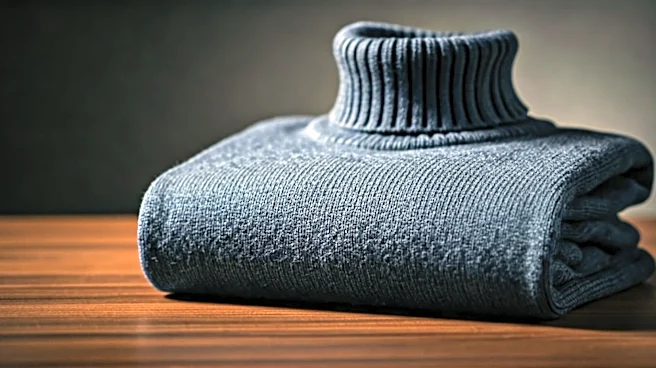
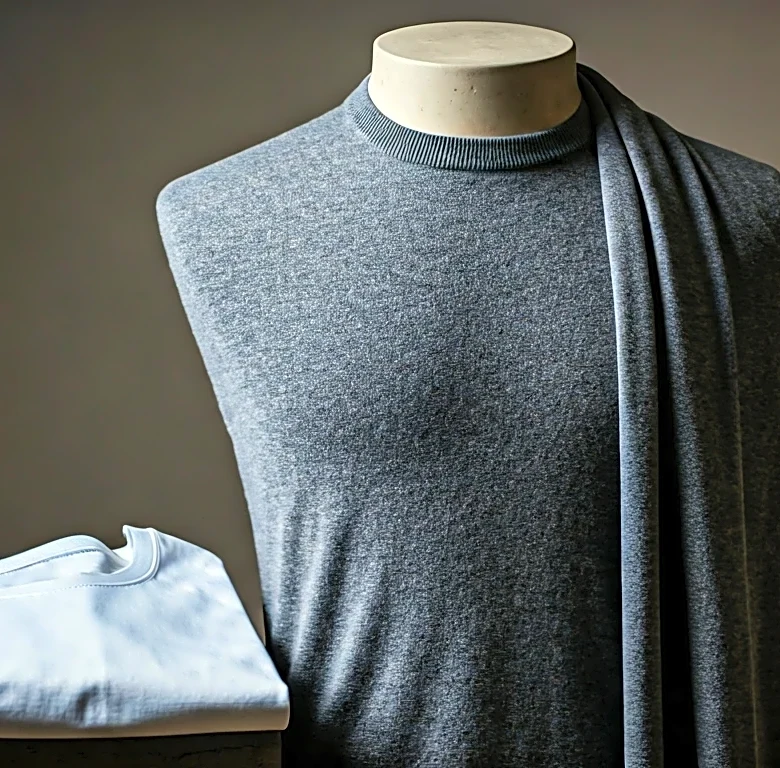
apartment looking chic by accident. His uniform is a collection of familiar tropes: the Breton-striped shirt, the perfectly faded denim, a well-worn leather jacket, perhaps a pair of scuffed white sneakers. He doesn’t follow trends; he has ‘personal style.’ This aesthetic, often romanticized by Americans, is rooted in the concept of *sprezzatura*—an Italian term for studied carelessness. The goal is to make difficult things look easy. The appeal is obvious: it suggests a life so well-lived that you don’t have time for trivialities like matching your clothes, yet you somehow get it right every time. It’s an aspirational fantasy, selling not just clothes, but an entire mode of being: confident, cultured, and unbothered.
The Debunking: A Return to Structure
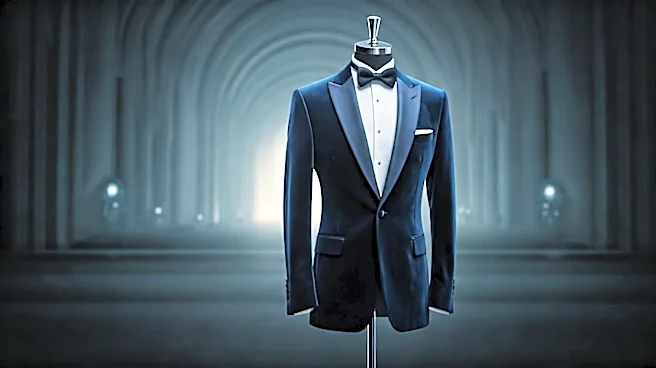
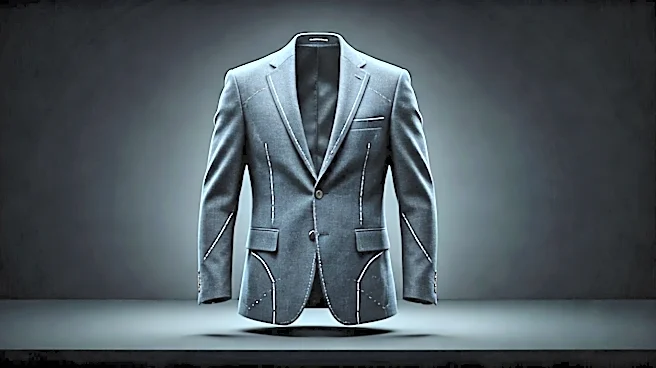
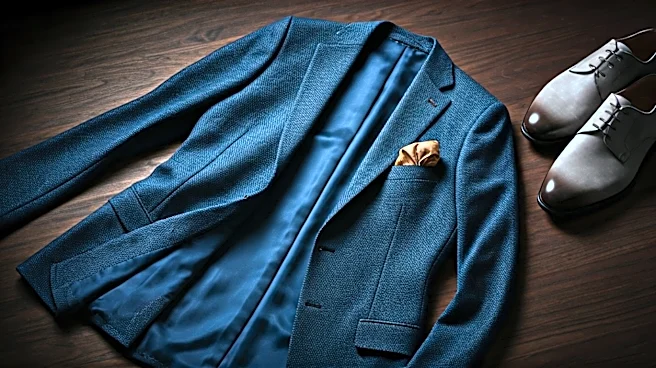
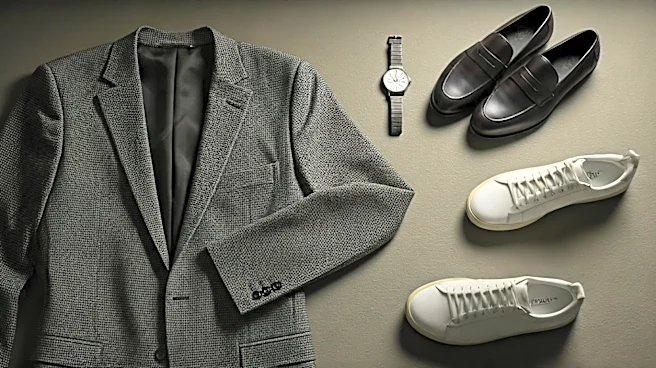
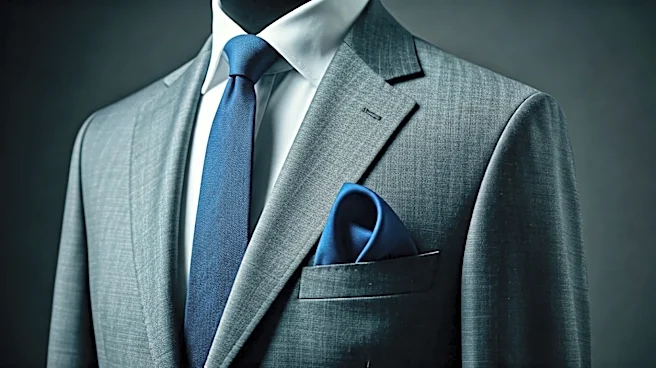
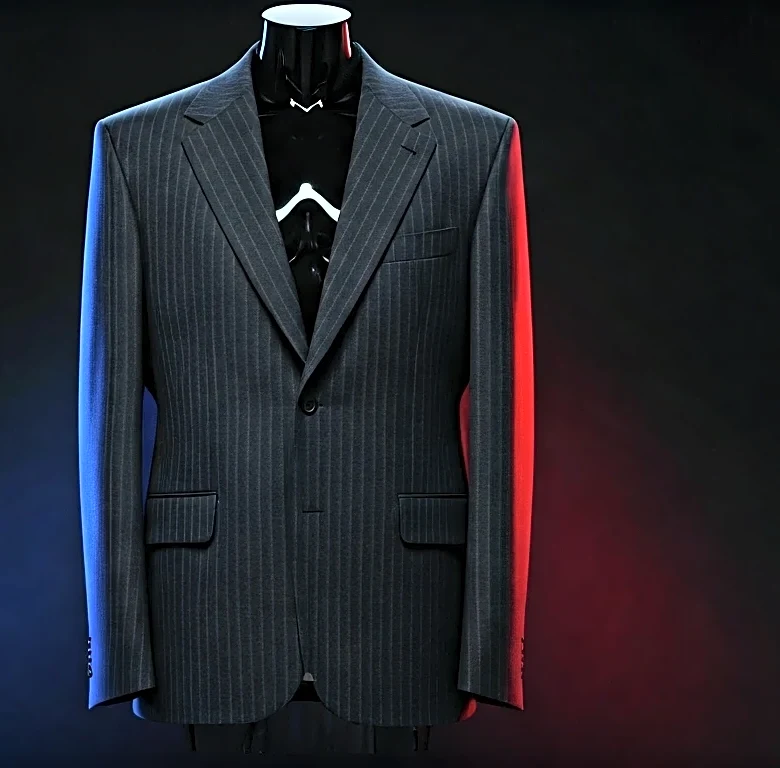
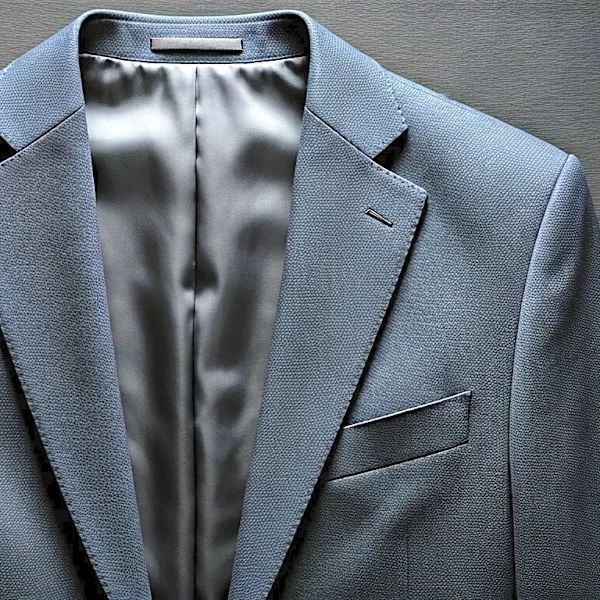
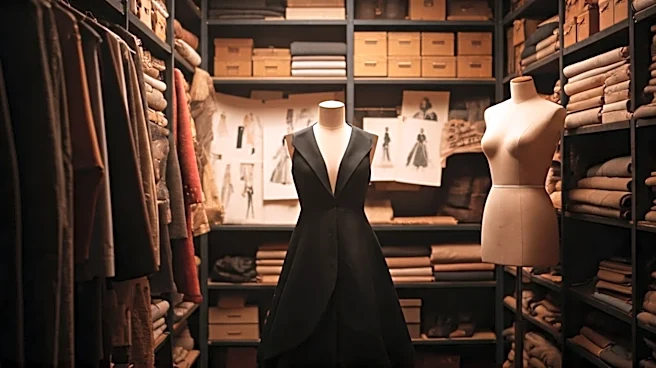
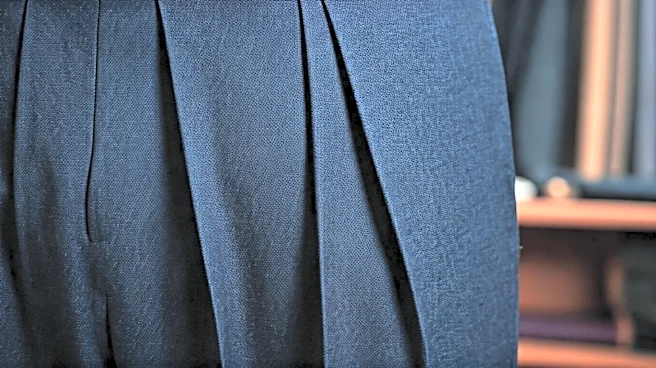
Walk the streets of Le Marais and you’ll still spot that classic uniform. But look at the Parisian runways, where the future of French style is being forged, and a different story emerges. The last several menswear seasons have seen a powerful pivot away from casual nonchalance and toward intentional, structured tailoring. Designers are falling back in love with the suit, but reinterpreting it for a modern world. At brands like Ami, designer Alexandre Mattiussi has moved from his signature heart-logo sweatshirts to exquisitely cut, broad-shouldered coats and trousers with a precise, generous break. At Officine Générale, Pierre Mahéo champions a vision of wearable luxury built on razor-sharp pleats and perfectly constructed blazers. Even at heritage houses like Dior Men, Kim Jones has made sophisticated, almost sculptural tailoring a cornerstone of his collections. The new French silhouette is not slouchy; it’s architectural. It features a defined waist, a strong shoulder line, and an unapologetic sense of polish. This isn’t about looking like you didn’t try; it’s about celebrating the art and effort of getting dressed.
The Reality: Effort Was Always Part of the Equation
Here's the secret: the myth of 'effortless' was always a lie. Or, more accurately, a luxury. Achieving that specific brand of nonchalance required a foundation of privilege. It demanded high-quality, expensive garments that could age beautifully (a cheap sweater doesn’t develop a charming patina), the 'right' physique to make simple clothes look good, and the cultural capital to know which rules to break. It was a uniform for a very specific, often very wealthy, Parisian archetype. The new wave of tailoring doesn't hide the work. Instead, it makes it the main event. A beautifully constructed blazer is an open declaration of intent. It says, 'I thought about this, I care about this, and I enjoy the process.' In a way, it’s a more democratic and honest approach to style. It suggests that looking good isn't an innate gift reserved for a select few, but a skill that can be learned and a craft that can be appreciated. The focus shifts from the wearer’s genetic lottery to the artisan’s skill.
Why It Matters: A New Definition of Masculine Style
This shift is more than just a pendulum swing from casual to formal. It matters because it signals a maturation in menswear. After a decade dominated by streetwear, logomania, and the subsequent rise of work-from-home comfort, men are being given permission to dress up again—not for an occasion, but for themselves. The new tailoring isn’t stiff or corporate; it’s fluid, comfortable, and versatile, designed for a life that blends work, creativity, and leisure. Furthermore, it dismantles a tired, monolithic idea of French masculinity. The new Parisian aesthetic is more global, more diverse, and less reliant on nostalgic clichés. By embracing visible effort and sharp silhouettes, French menswear is projecting a new kind of confidence. It’s a confidence that isn't based on feigned indifference, but on the quiet power of a well-made garment and the self-respect that comes from presenting your best self to the world. It’s an invitation to stop trying to look like you’re not trying, and simply start enjoying the clothes you wear.