





The Immediate Problem: A Brutal Bracket
The most obvious consequence of finishing second is the immediate degree of difficulty. Instead of a favorable matchup against a third-place team that scraped through, a runner-up is thrown into the deep end. In the 2026 World Cup's expanded 48-team format,
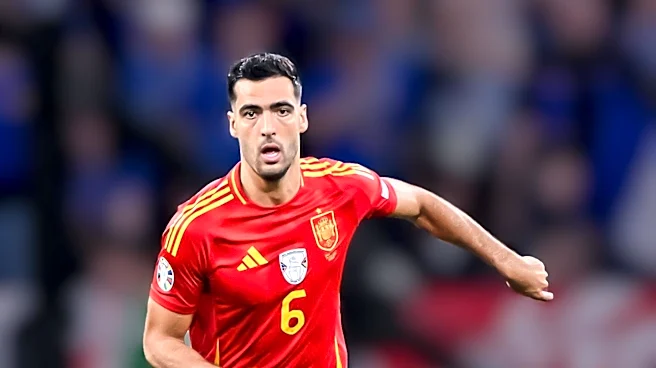
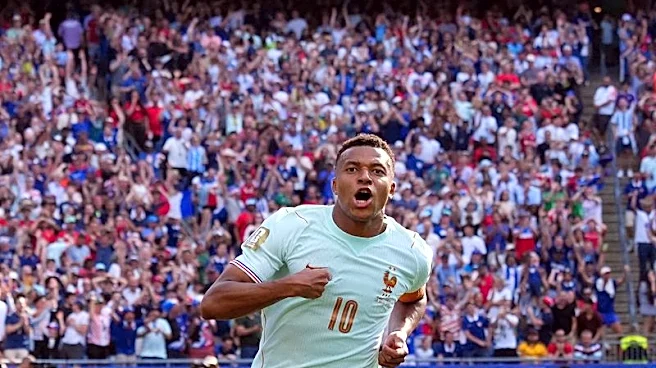
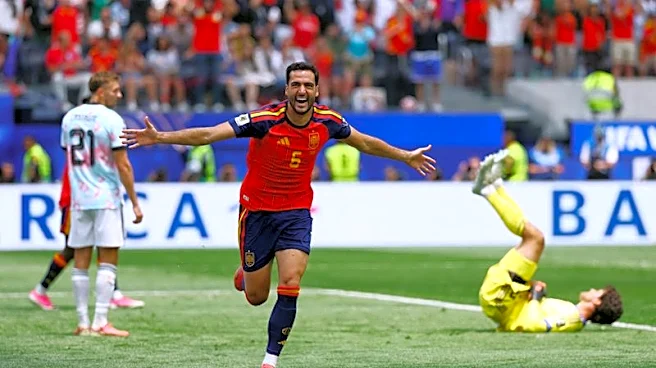
this often means facing another group's runner-up—a team that was also good enough to qualify comfortably. Imagine a pre-tournament favorite like France or Spain stumbling to second place. Their reward in the Round of 32 could be a direct collision with a team like the Netherlands or Portugal, who also had a minor slip-up. This forces a high-stakes, final-worthy match far too early, guaranteeing one heavyweight goes home before the tournament truly heats up. It turns the knockout stage from a gradual climb into an immediate cliff face.
The Ripple Effect: Welcome to the 'Side of Death'
One favorite’s mistake doesn’t just affect them; it throws the entire bracket into chaos. Suddenly, one half of the knockout tree becomes absurdly loaded. Pundits and fans will quickly label it the “side of death,” where multiple top-ranked teams are forced to eliminate each other in the rounds leading up to the final. For instance, an unexpected second-place finish could create a path where a team might have to beat two or three top-ten nations just to reach the semifinal. This is exactly what happened to Morocco in the 2026 tournament, whose second-place group finish behind Brazil set up a brutal run against the Netherlands and then France. Conversely, this chaos creates a golden opportunity on the other side of the bracket, opening a clearer path for a dark horse or a rival favorite who took care of business in their group.
The Psychological Toll
Beyond the tactical challenges, there is a significant mental hurdle. Favorites operate under immense pressure to be perfect. Winning the group is the expectation. Failing to do so introduces doubt and invites intense media scrutiny. The narrative shifts from destiny to potential disaster. The team's every move is questioned. Furthermore, group winners often get more rest days before their first knockout game, a crucial advantage in a grueling month-long tournament. A second-place finish can mean less time for recovery and preparation, adding physical strain to the psychological stress. The team is no longer on a coronation march; they are in a dogfight, and they know the path ahead is now exponentially harder than it needed to be.
But Is It a Death Sentence?
While the road is tougher, history shows it's not impossible. Since 1986, every World Cup winner has won their group, establishing a powerful trend. However, before that, several teams found glory after a slow start. Italy in 1982 famously drew all three of their first-round group games, finishing second before storming to the title. West Germany won the cup in 1974 despite finishing second in their initial group after a famous loss to East Germany. More recently, France reached the 2006 final after finishing second in their group. These examples prove that while finishing first is the preferred route, a rocky start doesn't have to be the end. Sometimes, the adversity of an early challenge can forge a team's resolve, turning a difficult path into a legendary triumph.