




The White-Out That Started It All
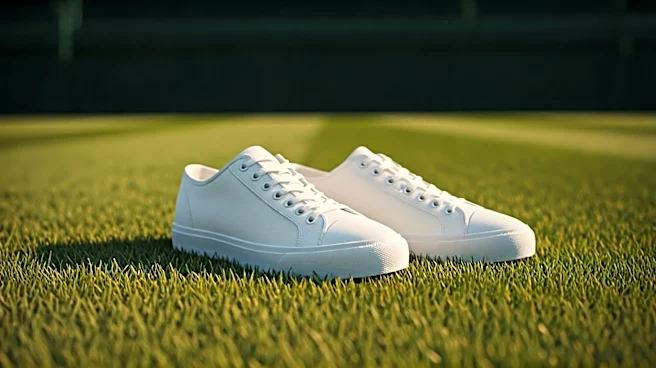
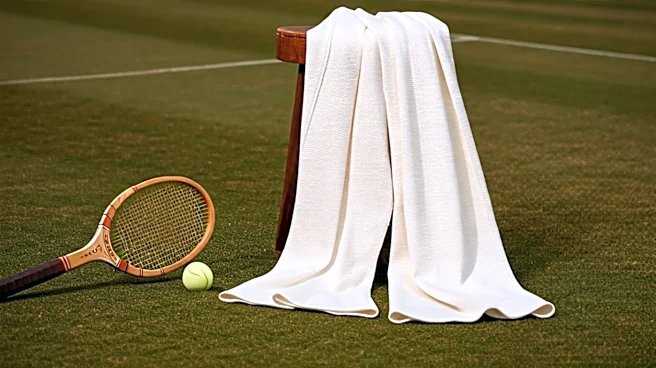
The story begins not with spectators, but with players. The tradition of “tennis whites” predates the first Wimbledon tournament in 1877. In the 19th century, tennis was a genteel pastime for the upper classes, and visible sweat was considered uncouth.
White clothing, it was believed, minimized the appearance of perspiration and kept players cooler. What started as a practical choice to maintain decorum quickly became a symbol of status; wearing white signified you belonged to a leisure class that didn't perform manual labor. This rule, officially codified by Wimbledon in 1963, created a strict visual foundation for the entire event, cementing a legacy of clean lines and understated elegance.
From the Court to the Clubhouse
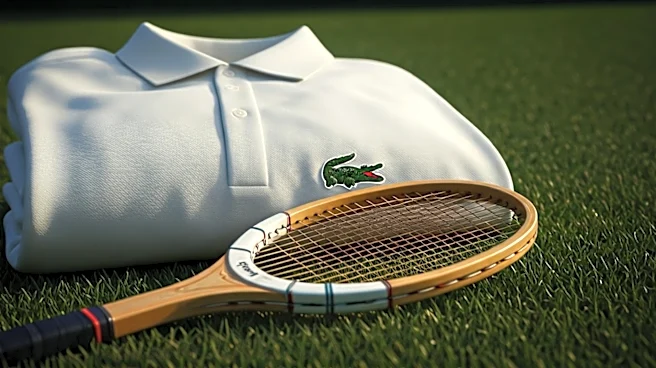
The leap from player uniform to spectator style was driven by the players themselves, who became the first athletic influencers. In the 1920s, French champion René Lacoste rebelled against the era's restrictive flannel trousers and long-sleeved shirts. He designed his own short-sleeved, breathable piqué cotton shirt, which he first wore at the 1926 U.S. Open. With its soft collar and crocodile emblem, it was a revolution in sportswear, designed for performance but stylish enough for post-match socializing. In 1952, British tennis hero Fred Perry launched a competing brand, introducing his own polo shirt with the iconic laurel wreath logo. These pieces weren't just for playing; they were the building blocks of a new off-duty uniform, blurring the lines between athletic gear and casual elegance.
The Rise of Spectator Suiting
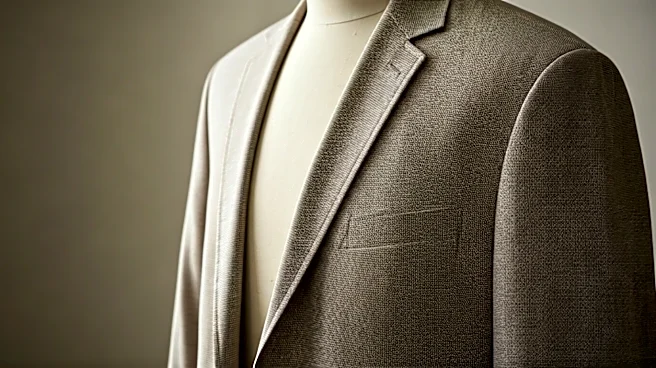
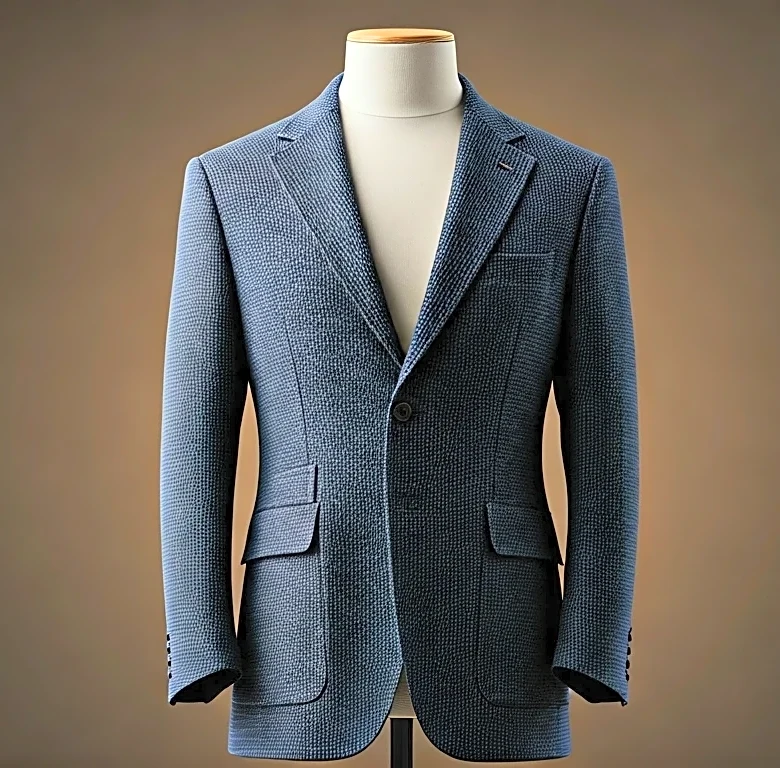
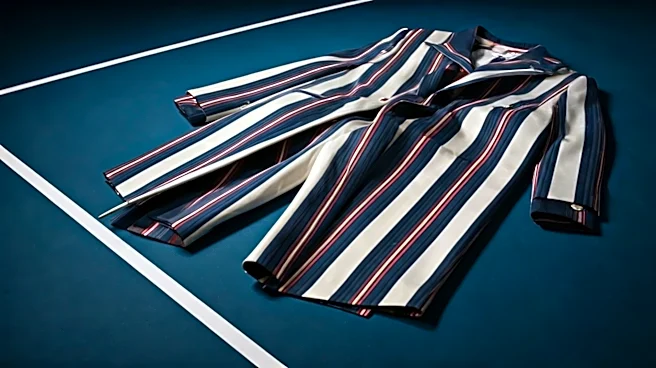
While players pioneered the clothes, spectators perfected the look. There is no formal dress code for most attendees at Wimbledon, but an unwritten rule of smart, tailored dressing prevails. This “country club suiting” aesthetic is directly descended from the aspirational sportswear of the mid-20th century. Spectators adopted the clean silhouettes and crisp fabrics worn by players off the court, creating a uniform of their own. For men, this often means tailored blazers, light-colored trousers, and perhaps even a Wimbledon-striped tie. For women, pleated skirts, elegant day dresses, and chic cardigans create a look that is both timeless and event-appropriate. It’s a form of participation, a visual nod to the heritage and prestige of the tournament. The look is less about fleeting trends and more about embracing a classic, sport-inspired lifestyle.
The Modern Preppy Revival
Today, this classic look is enjoying a major resurgence under the banner of “quiet luxury” and “preppy” style. Heritage brands are finding a new audience, while modern labels are reinterpreting tennis classics for a new generation. The aesthetic is all about timeless pieces: pleated skirts, quarter-zip sweaters, crisp polo shirts, and classic knitwear. At Wimbledon, this translates to spectators mixing high-end designer pieces with archival sportswear staples. It’s not uncommon to see a modern pleated skort paired with a vintage-style polo or a sleek athletic dress under a tailored linen blazer. This blend of old and new, high and low, is the essence of modern country club style—a look that is polished, relaxed, and deeply rooted in the history of the sport itself.