


The Myth of the Walkout
Let’s clear this up from the start: there is no credible evidence that Sam Mendes ever walked off the set of American Beauty. The headline-grabbing claim is an urban legend, a dramatic exaggeration of what was, by all accounts, an intensely passionate
but professional production. So, where did the story come from? Like many Hollywood tales, it grew from a kernel of truth. While Mendes didn't abandon his directorial debut, he did engage in a significant creative battle with screenwriter Alan Ball, a conflict that fundamentally shaped the film we know today and likely fueled whispers of a major fallout.
A Battle of Two Endings
The real conflict was a classic Hollywood showdown between a writer and a director over a film's third act. Alan Ball’s original script was far more cynical and grim. It concluded with a shocking twist: after Lester Burnham is murdered, the police investigation leads them to Jane Burnham and Ricky Fitts. Based on Ricky’s videotapes and other circumstantial evidence, the two teenagers are wrongly charged, tried, and convicted for the murder. This ending was a scathing indictment of the justice system and a final, brutal nail in the coffin of suburban idealism. Ball envisioned a dark, cautionary tale about how appearances can lead to the destruction of innocent lives.
The Case for a Glimmer of Hope
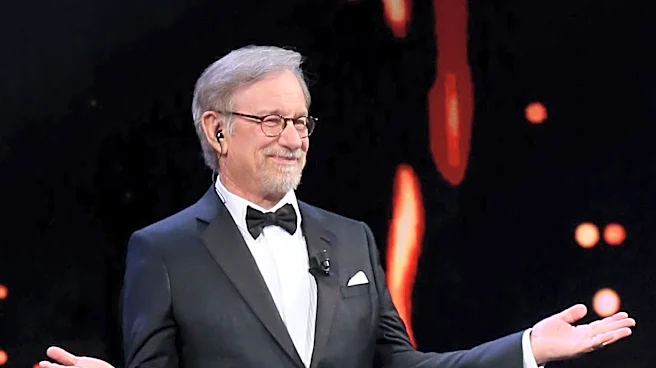
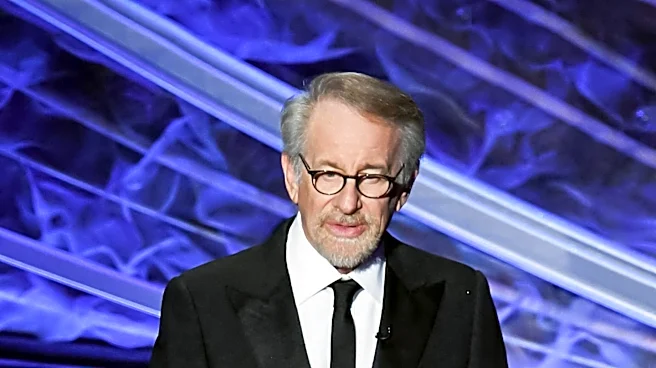
Sam Mendes, a celebrated theater director making his first film, had a different vision. He felt that a courtroom drama would derail the intimate, tragic, and strangely beautiful tone he had carefully crafted. Instead of a cynical procedural, Mendes wanted the film to end on a note of transcendence, solidifying Lester’s journey as a flawed but ultimately poignant search for meaning. He argued for the ending that made it to the screen: Lester’s quiet moment of grace looking at a family photo, followed by his sudden death and his haunting, posthumous narration about the overwhelming beauty in the world. Mendes’s vision was championed by a powerful ally: Steven Spielberg, whose DreamWorks studio was producing the film. Spielberg agreed that the movie was too good for the original, darker ending.
The Compromise and the Legacy
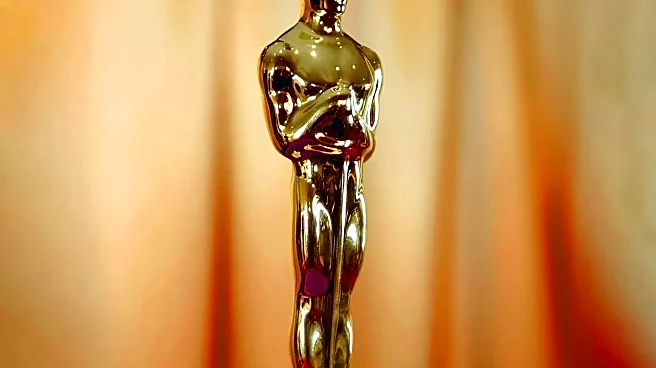
Ultimately, the director’s vision won out. The trial scenes were cut, and the more spiritual, ambiguous ending was finalized. While this caused significant tension during post-production, it’s a decision that both creators have since come to terms with. Ball has acknowledged in retrospect that while he loved his original ending, Mendes’s choice likely contributed to the film’s enormous mainstream success. The decision paid off handsomely. American Beauty became a cultural phenomenon, grossing over $356 million worldwide and sweeping the major categories at the Academy Awards, including Best Picture, Best Director for Mendes, and Best Original Screenplay for Ball. The chosen ending, which elevates Lester's personal rebellion into a universal meditation on life and death, is now considered one of the most iconic film conclusions of its era.