








From Simple Allegiance to Staple Gear
For decades, sports apparel was a straightforward symbol of loyalty. Fans wore basic jerseys, screen-printed tees, and caps to show which tribe they belonged to. This gear was about identity, not investment. It was mass-produced and accessible, moving
from stadium shops into mainstream life as television broadened fanbases after World War II. The clothing's value was purely sentimental, a tangible connection to a team's triumphs and legacies. Unlike today, the idea of a simple fan t-shirt appreciating in value was virtually unheard of; its worth was in the emotional bond it represented.
The Sneaker Effect Changes the Game
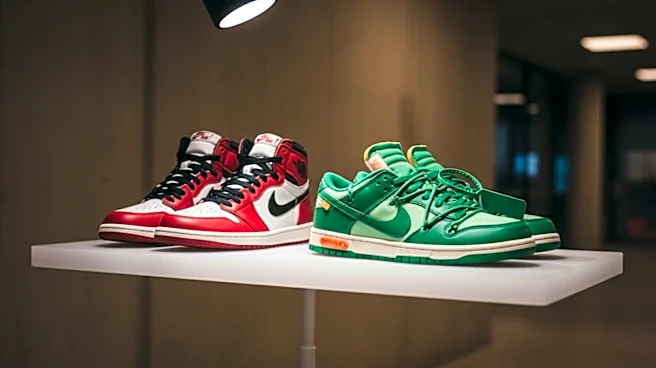
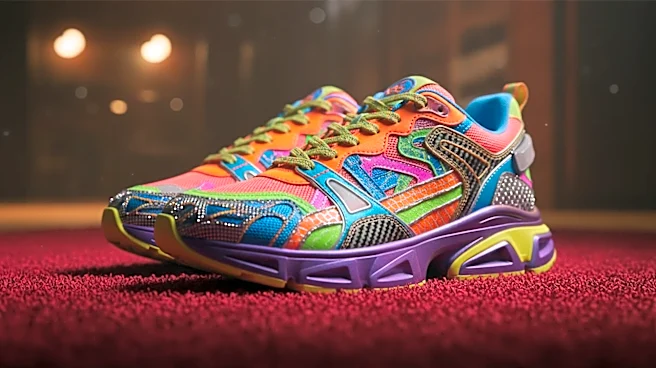
The major shift began not with jerseys, but with sneakers. The partnership between Nike and Michael Jordan in the 1980s was a cultural atom bomb. Air Jordans transformed athletic footwear from purely functional gear into status symbols and collectible items. This created a blueprint for how athlete-endorsed apparel could carry a value far beyond its material cost, driven by hype, limited releases, and cultural significance. The rise of 'sneakerhead' culture, with its focus on collecting, trading, and reselling, taught a generation of fans to view apparel through a new lens: as an asset. This mindset soon bled into the rest of the sports clothing world.
Authenticity Becomes the New Currency
As fans began thinking like collectors, the demand for authenticity skyrocketed. A standard replica jersey was no longer enough; the real prize became items with a direct connection to the game. This fueled the market for "game-worn" or "game-used" memorabilia. A jersey worn by a star player during a historic game can be worth thousands, or even millions, of dollars. This created a need for trusted authentication and grading services, which legitimized the market and turned these items into tangible investments. Owning a piece of game-worn gear is now seen as the ultimate form of fandom—a direct link to a moment in sports history.
Where the Runway Meets the Field
In recent years, the worlds of high fashion and sports have merged completely. Luxury brands like Gucci, Dior, and Louis Vuitton are now partnering with teams and leagues, creating everything from official off-pitch wardrobes to branded car liveries in Formula 1. These collaborations have elevated sports apparel to the level of luxury goods. It's no longer surprising to see a soccer club like Paris Saint-Germain collaborate with the Jordan brand or a high-fashion house designing suits for a national team's public appearances. This crossover has introduced sports-branded clothing to a new, fashion-conscious audience and further cemented its status as a desirable luxury item.
The Modern Fan as Curator and Investor
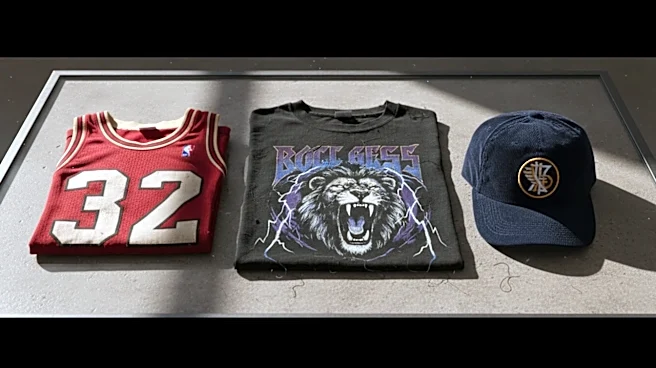
Today's fan doesn't just buy clothing—they curate a collection. They consider rarity, player significance, historical context, and potential resale value before making a purchase. Vintage starter jackets and rare '90s snapbacks can fetch hundreds of dollars online, driven by nostalgia and unique designs. The market has evolved from simple fandom to a sophisticated ecosystem where fans are also flippers, investors, and historians. Whether it's a limited-edition sneaker drop, a vintage crewneck, or a game-worn jersey, the clothing in a fan's closet is now a carefully considered portfolio of passion and assets.