






The 'Rings' and Trophies Argument
In basketball, the conversation often begins and ends with championships. Michael Jordan's perfect 6-0 record in the NBA Finals is the ultimate trump card for his supporters. For years, this was the biggest cudgel used against LeBron James. In soccer,
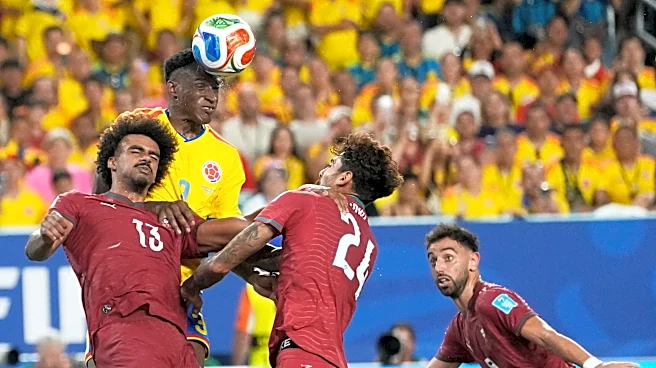
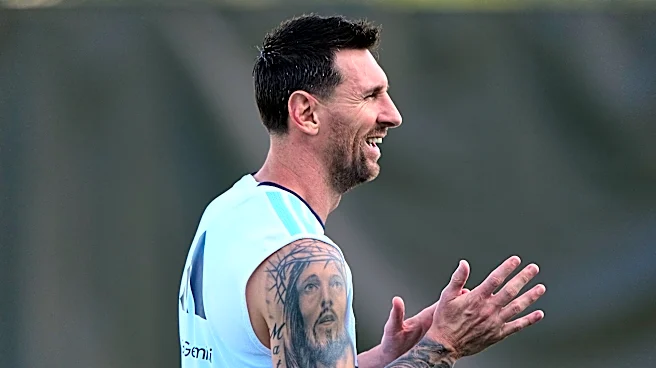
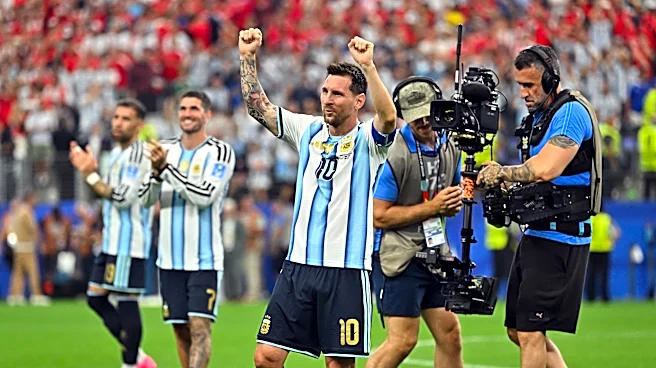
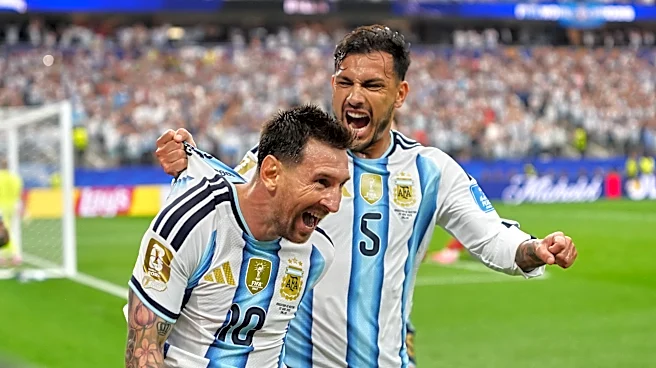
the World Cup serves the same purpose. For most of his career, Lionel Messi's lack of a World Cup title was the primary argument against his claim to being the "Greatest of All Time" (GOAT), especially when compared to legends like Pelé and Diego Maradona. When Messi finally led Argentina to victory in 2022, the narrative dramatically shifted, mirroring how LeBron's multiple championships altered his own legacy conversation. Similarly, Cristiano Ronaldo's 2016 Euro title with Portugal serves as his camp's key piece of international hardware, a necessary credential in the GOAT race. After Argentina's recent Copa América win in 2024, the trophy count is once again at the forefront of every discussion.
Statistical Dominance vs. Intangible 'Will to Win'
The Jordan-LeBron debate is a classic battle between two different kinds of dominance. LeBron's backers point to his staggering all-around statistics—leading the NBA in all-time points and ranking near the top in assists—as proof of a more complete, versatile player. Jordan's camp, meanwhile, often pivots to his unparalleled scoring titles, defensive player of the year award, and a more abstract, almost mythical, "will to win." This exact binary exists in soccer. Cristiano Ronaldo is the statistical monster, the all-time leading goal scorer in men's international football and the UEFA Champions League. His fans point to the raw, undeniable numbers as proof of his supremacy. Messi's supporters, much like Jordan's, often lean on the "eye test." They speak of his otherworldly dribbling, his seemingly impossible assists, and a kind of on-field genius that transcends a stat sheet. It's the relentless, physical machine versus the natural, sublime artist—a narrative that fits both sports perfectly.
The 'Era' and 'Level of Competition' Defense
No GOAT debate is complete without arguments about the context in which a player thrived. Jordan's detractors might mention that he played in an era with different defensive rules or against allegedly weaker expansion teams. Conversely, LeBron's critics argue he has benefited from a modern style of play and often created "super teams" to chase titles. This same logic is applied relentlessly in soccer. When comparing Messi and Ronaldo to past legends, many will argue that Pelé and Maradona played in a more brutal, less protected era. Yet, supporters of the modern duo will counter that today's game is faster, more tactical, and features a deeper global talent pool than ever before. The goalposts are always moving, ensuring that no player's accomplishments can be viewed without a generational asterisk attached.
Longevity as the Ultimate Tie-Breaker
A newer pillar of the GOAT argument is sustained excellence. LeBron James playing at an elite level into his late 30s has become a central tenet of his case, showcasing a durability and prolonged peak that few athletes in any sport have ever matched. This argument has become incredibly relevant in the Messi vs. Ronaldo debate. Both players have redefined what is possible for a soccer player approaching 40. Ronaldo continues to break goal-scoring records in his sixth European Championship, while Messi, despite injuries, has led Argentina to a string of international trophies late in his career. Their incredible longevity forces a recalculation of greatness, shifting the focus from just a player's absolute peak to their ability to dominate across two decades. It's a variable that complicates comparisons to past legends who often had shorter, albeit brilliant, careers.