
An Unlikely Prime-Time Gamble
When Roseanne premiered on ABC in 1988, it was unlike anything else on television. The sitcom landscape was dominated by glossy, idealized families and aspirational stories. Then came the Conners. Headed by stand-up comic Roseanne Barr, the show centered
on a blue-collar family that was loud, messy, and constantly worried about money.. Barr's public persona was that of the “domestic goddess,” but her comedy was sharp, sarcastic, and a world away from the warm, fuzzy TV moms of the era. Network executives were betting on a comedian whose entire brand was built on being unapologetically real, even if that reality made people uncomfortable.. The show was considered a risky and groundbreaking concept for its realistic depiction of a working-class family's struggles, a stark contrast to the more sanitized sitcoms of the time.
Assembling the Perfect Dysfunctional Family
A huge part of the show's alchemy was its cast, but that chemistry wasn't a given. The key was finding an actor who could stand shoulder-to-shoulder with Barr's formidable presence. John Goodman, a theater actor with a budding film career, was cast as the easy-going but firm patriarch, Dan Conner.. The immediate chemistry between Barr and Goodman during his audition was palpable; they made each other laugh from the very beginning, setting the tone for their on-screen relationship.. Laurie Metcalf, a fellow stage actor, was brought in to play Roseanne's neurotically brilliant sister, Jackie Harris.. Alongside Sara Gilbert as the cynical and artistic Darlene, Lecy Goranson as the more conventional Becky, and Michael Fishman as D.J., the Conner family felt lived-in and authentic from the start, but it was still a crew of relative unknowns led by a controversial comedian..
From Chaos to Creative Control
The early days were reportedly fraught with creative battles. Barr, fiercely protective of her vision for a realistic portrayal of a family like the one she grew up in, often clashed with producers and writers. She fought to keep the Conners' house messy, to have the characters talk over each other, and to tackle subjects that were then taboo for prime time, including unemployment, homosexuality, and teenage angst.. While this caused friction behind the scenes, it was also the show's secret weapon. Viewers who had never seen their own lives reflected on TV tuned in in droves. The series tackled money problems, workplace issues, and the daily grind with a level of honesty that was both hilarious and deeply resonant.
Defying Expectations, Defining a Generation
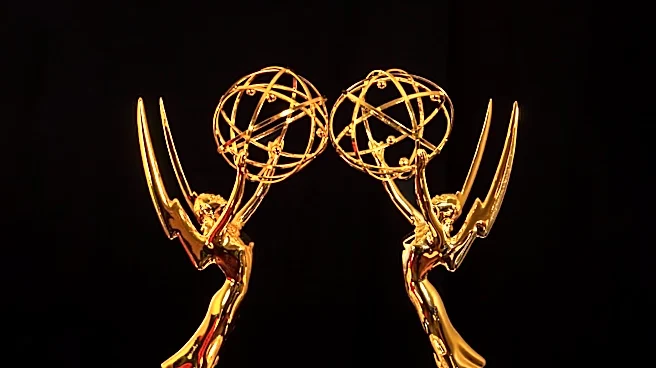
The initial skepticism that the show might not even see a third season quickly evaporated. By its second season, Roseanne was the most-watched show in the United States, proving that audiences were hungry for its brand of realism.. It wasn't just a ratings juggernaut; it was a cultural force. The show won numerous awards, including a Golden Globe for Goodman and an Emmy for Barr.. It launched the careers of its cast and became a hothouse for writing talent, with future titans like Joss Whedon and Amy Sherman-Palladino cutting their teeth in the writers' room.. The very elements that made it seem like a gamble—its brash star, its working-class setting, and its unflinching honesty—were precisely what turned it into an enduring institution that ran for nine seasons and left an indelible mark on television history..