


The Joy of Low Commitment
Let's be honest: the homework that comes with modern prestige television can be exhausting. Remembering character backstories, tracking intricate plot threads, and dodging spoilers for months is a significant investment. Horror anthologies throw that model
out the window. Each episode, or in some cases each season, is a clean slate. You can watch a single story from a show like Guillermo del Toro's "Cabinet of Curiosities" and get a complete, satisfying narrative arc in under an hour. Missed an episode? It doesn’t matter. Want to watch them out of order? Go for it. This self-contained structure is a welcome relief for viewers who want a powerful story without the long-term obligation, making it an ideal format for casual viewing.
A Buffet of Frights
Horror is not a monolith; it's a vast landscape of subgenres. The problem for many viewers is that they might love a good ghost story but can't stand body horror, or they're fascinated by sci-fi terror but bored by slashers. The anthology is a sampler platter, allowing audiences to experience a wide variety of fears in one series. A show like "Black Mirror" can deliver a psychological thriller about social media one week and a grim sci-fi adventure the next. "American Horror Story," which resets its theme each season, has explored everything from haunted houses and witch covens to alien abductions and freak shows. This variety is a core part of the appeal; if one story doesn't land, the next one offers a completely different flavor of fear, ensuring there's something for every palate.
A Playground for A-List Talent
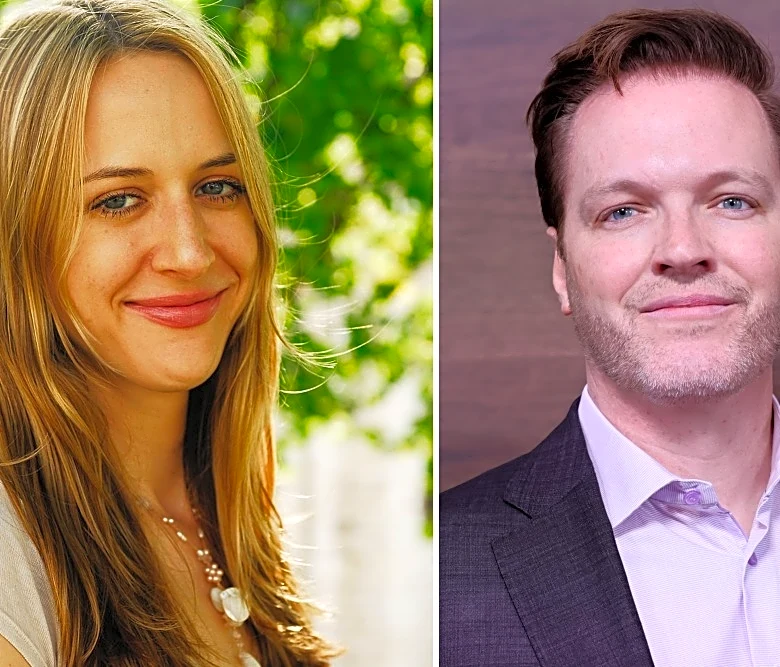
The anthology format's minimal commitment isn't just appealing to viewers; it's a major draw for creators and actors. High-profile actors who might hesitate to sign a multi-year contract for a traditional series are often eager to jump into a single, high-impact episode. This has made shows like "The Twilight Zone" and "Black Mirror" magnets for star power. More importantly, it provides a playground for visionary directors to experiment with bold, risky ideas that might not sustain a feature film or a full series. For "Cabinet of Curiosities," Guillermo del Toro hand-picked acclaimed horror directors like Jennifer Kent ("The Babadook") and Panos Cosmatos ("Mandy"), giving them the freedom to create their own unique, atmospheric tales without constraint. The result is often a showcase of raw creativity and stylistic flair that pushes the boundaries of the genre.
Pacing Perfected for the Modern Mind
The structure of an anthology episode mirrors the way we consume content today. We scroll through short videos, each delivering a quick emotional hit before we move on to the next. Anthology episodes operate on a similar principle: they are built for maximum impact in a contained runtime. Stories must be efficient, establishing character, conflict, and theme with potent brevity. There’s no time for filler. This results in a narrative experience that feels both dense and fast-paced, a shot of adrenaline that respects the viewer's time. In a world where countless other entertainment options are just a click away, the horror anthology’s ability to grab you, scare you, and then let you go is more than a format—it’s a survival tactic.