









The Attacking Shape: Making the Field Big
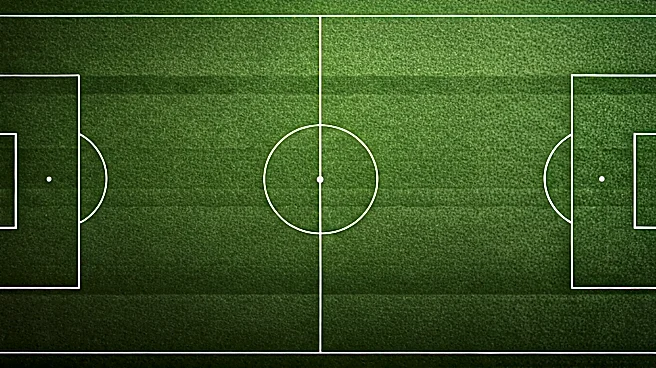
When a team has the ball, their primary goal is to create space. Think of it like stretching a rubber band. The attacking shape is all about making the field as large as possible to pull the opponent's defenders apart. Players will push high up the pitch
and spread out wide, using the full width of the field. This creates passing lanes and forces defenders to cover more ground, opening up gaps for attackers to exploit. The idea is to be expansive, providing multiple options for the player with the ball and making the team's movement unpredictable. Forwards will make runs in behind the defense, wingers will hug the touchlines, and midfielders will look for pockets of space to receive the ball and turn.
The Defensive Shape: Making the Field Small
When a team loses the ball, the objective flips entirely. Now, the goal is to deny space and make the field feel as small and congested as possible for the opposition. A good defensive shape is characterized by its compactness. Players will quickly retreat into a disciplined, organized block, staying close to one another both horizontally and vertically. This makes it difficult for the attacking team to find passing lanes through the middle. The aim is to force the opponent into wide areas where the touchline acts as an extra defender, or to make them attempt low-percentage long balls. Communication and organization are paramount as the team shifts as a single unit to track the ball.
The Real Difference: It's All in the Transition
Here’s the “hidden” part of the equation. The true sign of a well-coached, elite team isn't just having a good attacking or defensive shape—it's how quickly and efficiently they can switch between the two. This is called the transition. The game of soccer is a constant flow of these moments. The instant a team loses possession (a defensive transition), they must immediately stop thinking about scoring and start thinking about closing down space. They might press aggressively to win the ball back high up the field or execute recovery runs to get back into their compact defensive block. Conversely, the moment a team wins the ball (an attacking transition), they must instantly look to exploit the space the other team has left open. This could mean a lightning-fast counter-attack into a disorganized defense. These transitional moments are often where games are won and lost.
The Players Who Live Between the Shapes
Certain players are masters of the transition, acting as the pivot point between attack and defense. The defensive midfielder, often called the “number 6,” is a prime example. This player's primary job is to act as a shield for the defense, breaking up opposition plays and maintaining the team's defensive structure. But they are also often the first person to start an attack after winning the ball, requiring excellent vision and passing range. They must read the game flawlessly, anticipating where danger will arise and knowing when to switch from a defensive mindset to an attacking one in a split second. Modern full-backs and wing-backs also live in this transitional world, expected to provide width in attack but also sprint back to defend their flank.