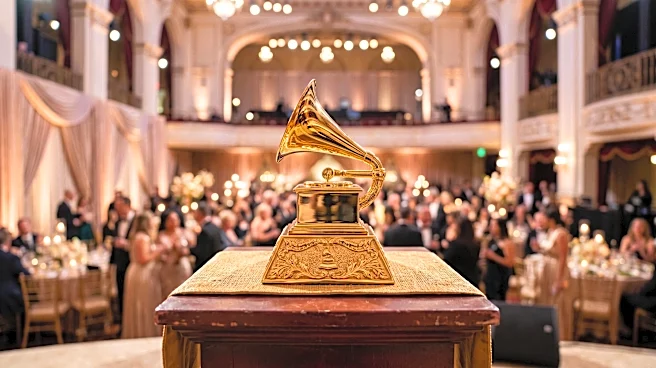

This month, the Latin Recording Academy honors a force of nature. Daniela Mercury’s Lifetime Achievement Award isn’t just a prize; it’s a recognition of the woman who took the sound of Bahia global and
became a symbol of joyous defiance.
The Hurricane from Bahia
Before she was a global icon, Daniela Mercury was the sound of Salvador, the capital of Brazil's northeastern state of Bahia. It was there, in the most Africanized region of Brazil, that a musical genre called axé was born in the 1980s. The term itself comes from a Yoruba religious greeting meaning 'positive energy'. Axé music is a vibrant, percussive fusion, blending Brazilian samba-reggae and forró with Caribbean influences like reggae and salsa. It's the undisputed soundtrack of Salvador's colossal Carnival celebrations. Mercury, with her powerful voice and background in ballet and Afro-Brazilian dance, began her career singing backup for legends like Gilberto Gil before going solo. She quickly became known as the 'rainha do axé' (Queen of Axé) and the 'hurricane of Bahia' for her high-energy performances atop the massive rolling soundstages known as 'trios elétricos'.
The Song That Changed Everything
While she had early hits, it was the 1992 album 'O Canto da Cidade' ('The Song of the City') that transformed Daniela Mercury into a national phenomenon. The title track was a massive success, staying at number one on Brazilian radio for weeks and becoming her signature song. The album was the first in Brazil to sell over a million copies. Its release is widely seen as the moment axé music broke out of its regional Bahian roots and exploded into the national mainstream, paving the way for a generation of artists. A free concert in São Paulo to promote the album drew such a massive crowd—over 30,000 people—that it shut down traffic and had to be cut short for safety reasons, cementing her legendary status. 'O Canto da Cidade' didn't just bring axé to Brazil; it took it to the world, leading to international tours and a performance at the prestigious Montreux Jazz Festival.
A Voice for More Than Music
Daniela Mercury's influence extends far beyond music. For decades, she has been a prominent and fearless activist, particularly for LGBTQ+ rights in Brazil, a country that, despite legal advances like same-sex marriage, still struggles with high rates of anti-LGBTQ+ violence. In 2013, she publicly announced her marriage to journalist Malu Verçosa, a powerful statement of visibility. As a UN Free & Equal Equality Champion, she has consistently used her platform to advocate for human rights and fight discrimination. She has called on fans to be allies and pushed for public policies to protect the LGBTQ+ community. Her activism is not separate from her art; it is an integral part of her identity as a public figure who stands for love, freedom, and the right for everyone to be who they are without fear.
A Legacy of Joy and Pride
The Latin Grammy Lifetime Achievement Award, which will be presented during Latin Grammy Week in Las Vegas, finds Daniela Mercury as the first-ever axé artist to receive the honor. It’s a fitting tribute to a career spanning over four decades, with more than 20 million records sold and countless global performances. But Mercury’s legacy isn't just in the numbers. It’s in the cultural pride she championed, bringing the Afro-Brazilian rhythms of the 'blocos afro' from the streets of Salvador to the world stage. It’s in the joy she brought back to Brazil during a period of political and economic crisis in the early 90s. And it’s in her unwavering courage as both an artist and an activist. She didn’t just sing the song of the city; she embodied its spirit.