





It’s a familiar feeling: a closet full of clothes, but a nagging sense that most of it is already dated. To escape the churn of micro-trends, the secret is to think less like a consumer and more like a professional fashion buyer.
The Litmus Test: Does It Solve a Real Problem?
Before a buyer invests
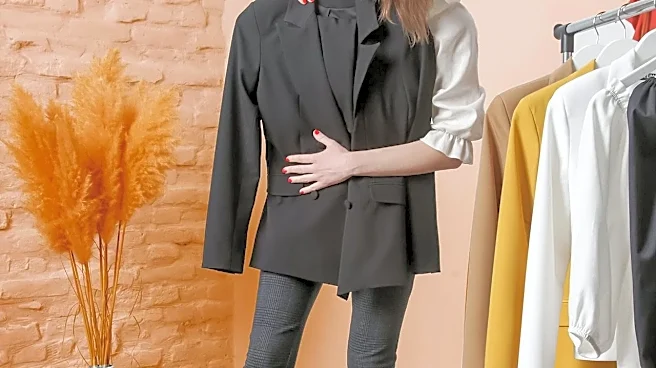
thousands of dollars in a new style, they ask a simple question: What purpose does this serve? A true wardrobe shift solves a problem or fills a genuine gap. A well-cut blazer, for example, offers a layer of polish for work but can also dress up jeans for dinner. That versatility is a hallmark of longevity. A fad, on the other hand, often exists for its own sake—a novelty item that’s fun for a moment but doesn't integrate into your actual life. Before you buy into a new look, ask yourself if it makes getting dressed easier. Can you style it with at least three items you already own? If it requires a whole new supporting cast of clothes, shoes, and accessories to work, it’s likely a fleeting fantasy, not a foundational piece.
The Origin Story: Is It Rooted in History?
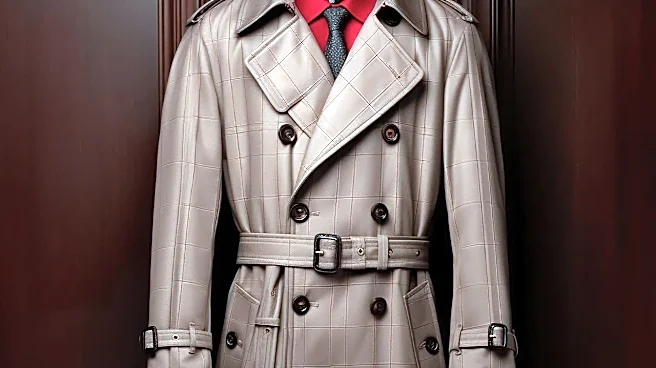
Very few fashion ideas are truly new. Most long-lasting trends are reinterpretations of classic silhouettes that have proven their appeal over decades. Buyers look for these historical echoes. A trench coat, a fisherman sweater, a pair of straight-leg jeans—these items feel modern season after season because their core design is timeless. Fads often lack this historical anchor; they appear suddenly, with extreme proportions or details that have no precedent. Think of a trend's life cycle. A style that has been revived after 20-30 years often has the nostalgic distance to feel fresh again to a new generation. A piece with roots in a classic style, like a loafer or a leather jacket, has a much greater chance of becoming a staple you’ll wear for years, not just a few months.
The Saturation Point: Who Is Driving the Trend?
Buyers pay close attention to how a trend spreads. A genuine style shift often starts on runways or with influential style leaders and then slowly trickles down, evolving as it goes. This gradual adoption signals a real change in taste. A fad, particularly in the age of social media, often explodes overnight. If you see a very specific, identical item suddenly blanketing fast-fashion windows and influencer feeds, it’s a red flag. That kind of hyper-saturation often means the trend will burn out just as quickly as it appeared. Buyers know that by the time a look is everywhere, its decline is imminent. The goal is to invest in the idea behind the trend, not the single 'It' item that will feel tired by next season.
The Material Truth: Does the Quality Match the Claim?
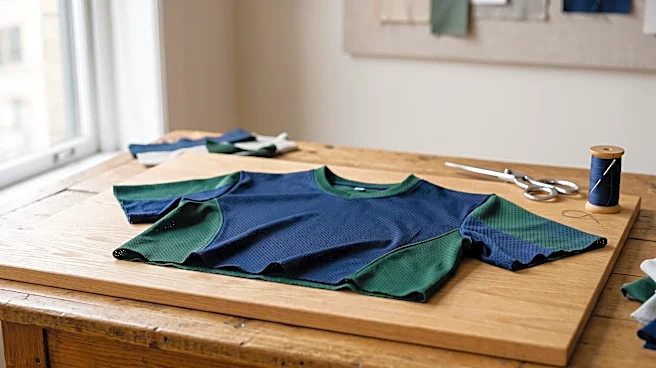
An investment piece is defined by its ability to last, both in style and in substance. A professional buyer will always prioritize the physical object over the hype. They look at the fabric, the stitching, and the hardware. Timeless materials like wool, high-quality cotton, linen, and real leather wear in, not out. They develop character over time. Fads are often manufactured from cheaper, synthetic materials designed for a short lifespan, which is why they often pill, lose their shape, or look tired after just a few wears. Before making a purchase, turn the garment inside out. Messy seams, flimsy fabric, and cheap buttons are telltale signs of a short lived novelty. A piece can’t become a long term staple if it isn’t built to survive regular wear and washing.
The Personal Connection: Would You Love It Without the Hype?
Ultimately, the most important filter is your own taste. A buyer’s most powerful tool is a deep understanding of their customer. For your own wardrobe, that customer is you. The single most effective question to ask is:' Would I still want this if it weren’t trending?' A lasting wardrobe addition should feel like an expression of your personal style, not a costume you're wearing to fit in. A true wardrobe shift resonates with you on a personal level and aligns with the life you actually live. If you feel confident and comfortable in a piece,' you're far more likely to reach for it again and again,' long after the initial buzz has faded.