




From Niche Hobby to Public Showcase
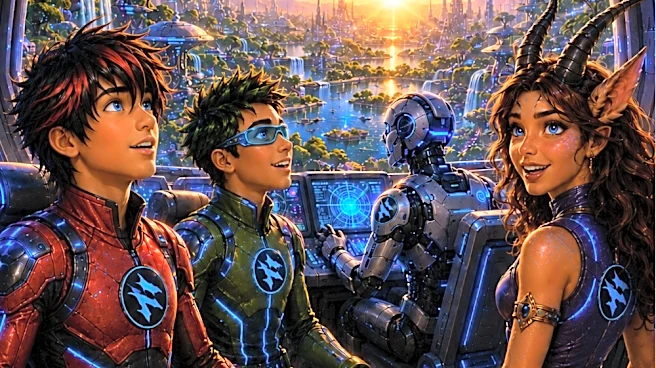
Before it became a global phenomenon, dressing up as a character from science fiction or fantasy was a niche hobby for a dedicated few. The practice has roots in early sci-fi conventions of the 1930s and '40s. For decades, it remained a small, often DIY
affair for a specific in-group. San Diego Comic-Con, which began in 1970, provided a new, centralized stage. In its early years, it was just one of several conventions where fans could gather, but its focus on comics, film, and sci-fi created a perfect incubator for visual fan expression.
The Masquerade Elevates the Craft
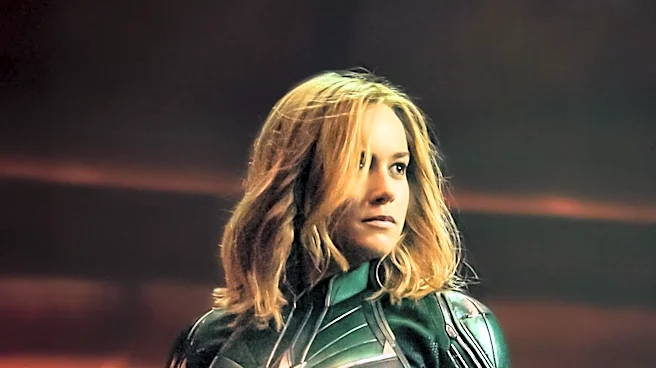
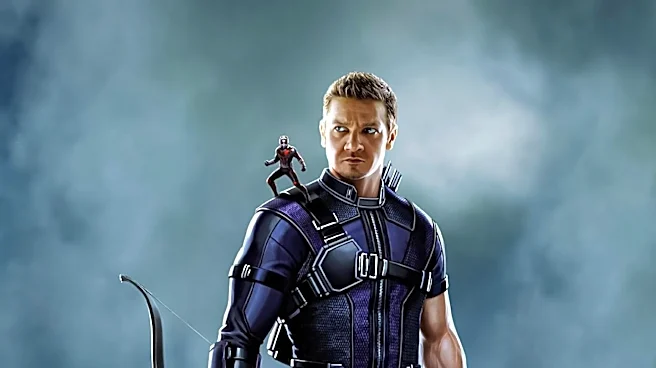
A key turning point was the formalization of costume contests. San Diego Comic-Con held its first Masquerade Ball in 1974, turning costuming into a main event. This wasn't just about wearing a costume in the hallways; it was about performance, craftsmanship, and competition. The Masquerade gave cosplayers a spotlight, encouraging more intricate and detailed designs. It elevated the practice from a simple homage to a celebrated art form, combining skill and a deep love for the source material. As the con grew, so did the ambition of its cosplayers, who spent countless hours perfecting their looks.
Hollywood and the Media Take Notice
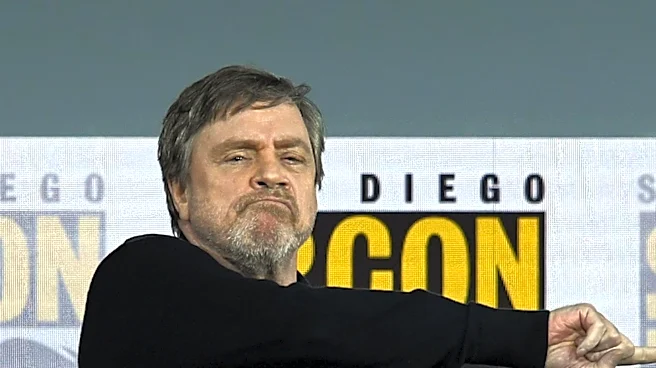
In the 2000s, as Hollywood began to realize the commercial power of geek culture, San Diego Comic-Con transformed into the epicenter of pop culture marketing. Studios brought massive panels, exclusive trailers, and A-list celebrities. With them came a global media spotlight. Suddenly, the passionate, creative costumes filling the convention center floors weren't just for attendees; they were broadcast to the world. TV shows like "The Big Bang Theory" further normalized the idea of conventions and cosplay for mainstream audiences, shifting the perception from a fringe activity to a vibrant, fascinating subculture.
Beyond Cosplay: The Birth of Geek Chic
The most significant shift was the expansion from full-blown cosplay to everyday fan fashion. This is where clothing truly became a daily language. A pivotal moment came with the founding of Her Universe in 2010 by actress Ashley Eckstein, the voice of Ahsoka Tano in "Star Wars: The Clone Wars." Eckstein saw a gap in the market for stylish, female-focused fan apparel. Her Universe and its annual fashion show at SDCC, which began in 2014, proved that fans wanted to express their passions in ways that could be integrated into their daily wardrobes. This wasn't about wearing a full costume to the office, but about sporting a subtle, stylish nod to a favorite show or movie.
The Convention Floor as a Runway
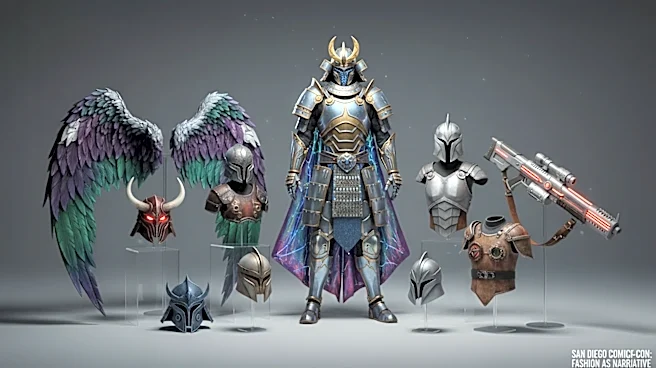
Today, the floor of the San Diego Convention Center is a living runway of fandom. You see elaborate, screen-accurate costumes alongside what's known as "casual cosplay" or "closet cosplay," where fans use everyday clothing to evoke a character's color scheme or style. A red-and-blue outfit can signal Spider-Man, just as a yellow hoodie might nod to Pikachu. This approach makes fan fashion more accessible to everyone, removing barriers of time and money. It's a visual shorthand that allows people to find their tribe, signaling shared interests and creating an instant sense of community. A T-shirt, a pin, or a specific color palette becomes a conversation starter, a way of saying, "I love this too," without speaking a word.