
The Modern Blueprint for Reinvention
Not long ago, an actor stepping into the director’s chair was often met with skepticism. Today, that narrative has been rewritten by a new class of multi-hyphenates who proved that a performer’s insight can be a powerful authorial tool. Think of Jordan
Peele, who pivoted from sketch comedy to become a master of modern horror, or Greta Gerwig, whose acting background clearly informs the rich, authentic performances in her films. Bradley Cooper’s ambitious work on “A Star Is Born” and John Krasinski’s unexpected pivot to a horror franchise with “A Quiet Place” have further solidified the trend. These successes have created a new blueprint, demonstrating that actors can leverage their unique understanding of storytelling and performance to create resonant, commercially successful films. They’ve moved the goalposts from simply “making a movie” to establishing a distinct and respected directorial voice.
An Industry Primed for Personal Projects
The film industry of 2026 is a landscape reshaped by recent labor disputes and the ongoing battle between streaming platforms and theatrical releases. One major consequence is a renewed appetite for projects with a clear, personal vision. Studios and financiers, wary of billion-dollar gambles, are increasingly open to smaller, director-driven films that can generate buzz and cultural conversation without a blockbuster budget. This environment is tailor-made for actor-directors, who often have passionate, long-gestating projects they’ve been waiting to make. Their star power provides a crucial marketing advantage, helping to secure funding and attract audiences to original stories that might otherwise get lost in the shuffle of tentpole franchises.
The Fall 2026 Contenders
This fall's release schedule hints at several intriguing potential reinventions. While no major A-list actor has a blockbuster directorial debut slated, the festival circuit and indie release calendar feature compelling names. Comedian and actor John Early's directorial debut, "Maddie's Secret," which tackles eating disorders with a comedic yet empathetic lens, is set for a wider release this year after a successful festival run. The film's success hinges on whether Early can transition his well-honed comedic voice into a sustainable directorial style. Another name to watch is Zach Woods of "The Office" fame, whose debut film "The Accompanist" is also generating positive early buzz. While A-listers like Florence Pugh have openly discussed their ambition to direct, she has also noted the immense responsibility and her desire to be fully prepared before taking that step, suggesting her debut is not imminent. Similarly, while Paul Mescal's career is soaring, his upcoming work remains focused on major acting roles on both stage and screen. This season seems less about a single explosive debut and more about a collection of thoughtful, personal films from established performers testing new creative waters.
What Separates a Good Film from a Great New Career
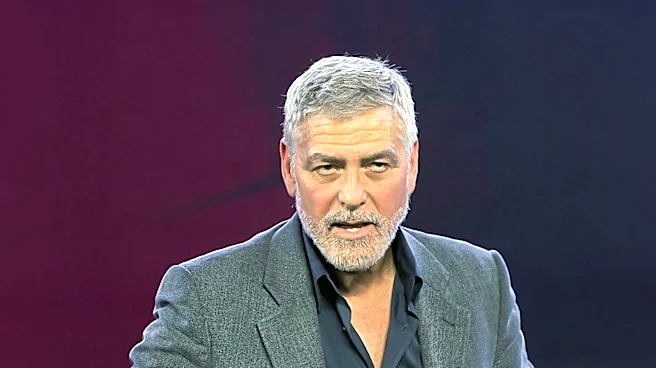
Making one good movie is an achievement; building a second career as a director is another challenge entirely. The true test of a great reinvention is whether the actor can establish an identity separate from their on-screen persona. Do they develop a signature visual style? Are they able to draw unique performances from their cast? The transition is successful when audiences start anticipating their next film because of who they are as a director, not just who they are as a star. It's about becoming an auteur, someone whose artistic sensibilities define the work. The jump from actor to director is ultimately a quest for a new kind of creative control, and only a select few manage to prove their vision is as compelling behind the camera as their presence is in front of it. This has been a constant in film history, from silent era stars like Charlie Chaplin to modern icons like Ben Affleck and George Clooney.