




The Sensory World a Screen Can’t Capture
A high-definition stream can show you the sweat on a guitarist's brow, but it can't make you feel the bass vibrating through the soles of your feet. Live events are a full-body experience that a screen flattens into two dimensions. Sound isn't just something
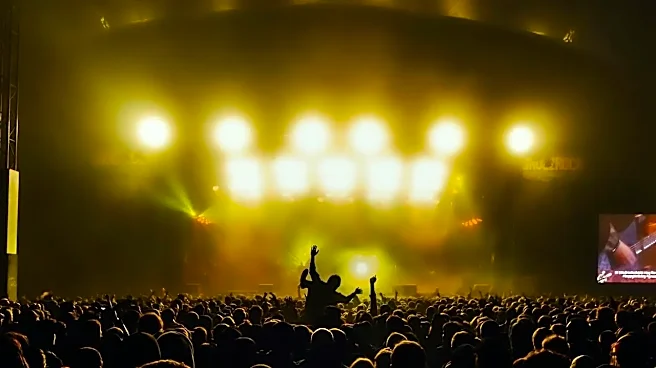
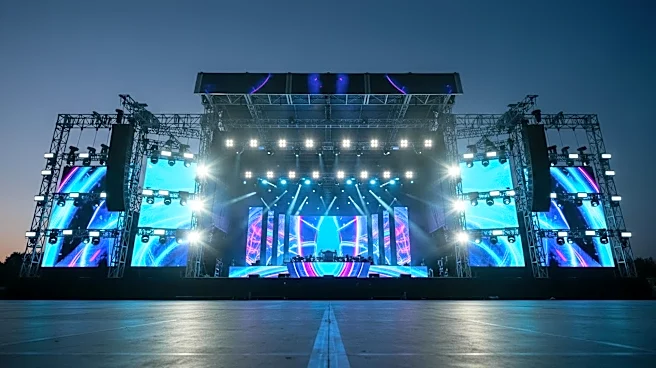
you hear; it's a physical pressure you feel. The air at an outdoor concert smells of grass, food trucks, and summer night. You feel the collective warmth of the crowd or the sudden chill of a passing breeze. Researchers have found that this multisensory immersion is a huge part of what makes live performances so powerful and memorable. Your brain isn't just processing audio-visual data; it's absorbing a rich tapestry of sensory information that anchors the moment in your memory in a way that passively watching a screen rarely can. The experience is physical, immediate, and utterly dependent on your presence in that specific space.
The Electric Feeling of Collective Joy
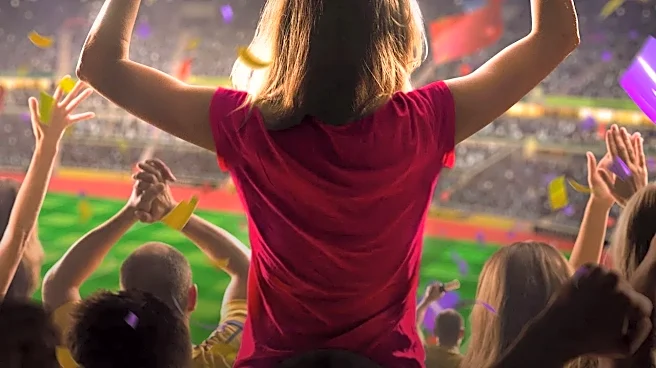
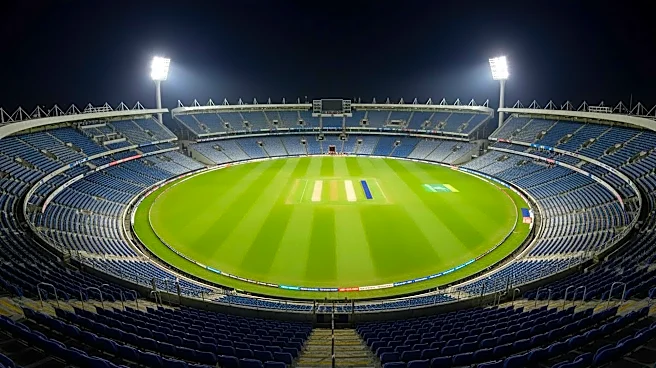
There’s a term for the powerful, unifying feeling that courses through a crowd during a shared experience: “collective effervescence.” Coined by sociologist Émile Durkheim, it describes the electric energy that arises when people come together with a shared purpose, whether it’s singing along to a chorus with thousands of strangers or collectively holding their breath during a crucial play. This communal emotion is one of the most vital ingredients missing from a livestream. Watching at home is an isolated activity. You might text a friend, but you can’t turn to a stranger next to you, both beaming with the same joy, and share a look that says, “Can you believe this?” Studies show that these moments of connection reduce feelings of loneliness and boost life satisfaction. They foster a sense of community and belonging that a chat window simply cannot replicate. Being part of a crowd isn't a bug; it's a feature.
Losing the Freedom of Unpredictability
When you watch a livestream, you are seeing a curated version of the event. A director is choosing every shot, guiding your focus, and deciding what matters. But when you’re on the field, you are your own director. You have the freedom to look wherever you want. You might focus on the drummer for an entire song, watch the interplay between two backup singers, or get mesmerized by the intricate light show. Maybe the most memorable moment isn't on stage at all, but happens when you spot a hilarious sign in the crowd or share a laugh with the people in the row behind you. Live events are beautifully, messily unpredictable. A musician might go off-script with a surprise cover, an actor might break character for a split second, or an athlete might share a spontaneous moment with a fan. These unrepeatable moments are often what make an event truly special, and they are entirely lost when your only view is through a pre-selected camera angle.
The Forgotten Importance of the Journey
The experience of a live event doesn't start with the first note or the opening whistle. It begins much earlier. It’s the ritual of planning with friends, the anticipation during the drive to the venue, the buzz of finding your seats, and the conversations you have before the main event even starts. This entire journey—the pilgrimage—is part of the psychological payoff. The effort and investment of time and money increase your commitment to the experience. You’re not just passively consuming content that you can pause to check your phone; you are present and fully engaged because you chose to be. A livestream, for all its convenience, strips away this ritual. It turns a memorable occasion into just another piece of content to be consumed from the couch, easily clicked away from and just as easily forgotten. The journey is what transforms a simple performance into a lasting memory.