


The Great ‘Video-fication’ of Podcasting
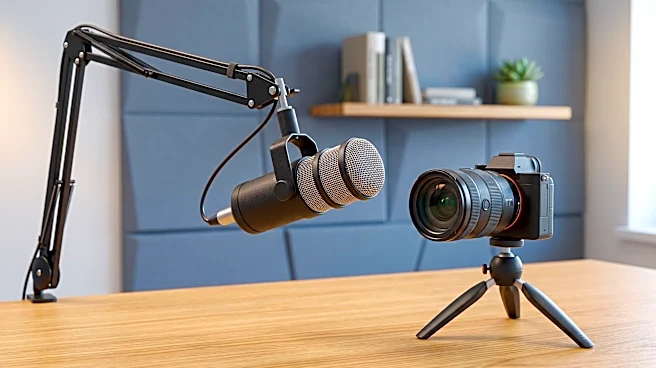
Let’s be honest: your favorite podcast probably has a video version. What was once a distinctly audio-first medium is rapidly morphing into a visual one. Creators are now expected to be on camera, with studio setups featuring multiple angles, slick lighting,
and graphics. This isn't happening by accident. Platforms like YouTube have become dominant forces in podcast consumption, with some reports showing that up to 70% of listeners now use the video platform to engage with podcasts. Younger audiences, particularly Gen Z, overwhelmingly prefer podcasts with a video component. The pressure is immense: to be discoverable, to be monetizable, and to feed the insatiable algorithms of TikTok and Instagram with compelling visual clips, you need to be seen. The result is a creeping homogeneity where the primary measure of a podcast’s success risks becoming its visual appeal, not its audio substance.
What We Lose When Audio Takes a Backseat
This shift isn't just a format change; it’s a fundamental alteration of the user experience. The magic of audio-only podcasting lies in its ability to create a “theater of the mind.” Without visual cues, our brains work to imagine the scenes, feel the host's emotion through vocal inflection, and absorb complex narratives without distraction. Sound design, from subtle background ambiances to powerful musical scores, becomes a character in itself, capable of building worlds and evoking deep emotional responses. It’s an intimate, one-on-one connection forged directly between the creator’s voice and the listener’s imagination. It’s also a uniquely versatile medium, perfect for commutes, workouts, or chores—moments where our eyes are busy but our minds are free. Forcing video into this equation can shatter that immersive experience, reducing a rich audio tapestry to background noise for a talking-head video.
The Awards as a Statement of Value
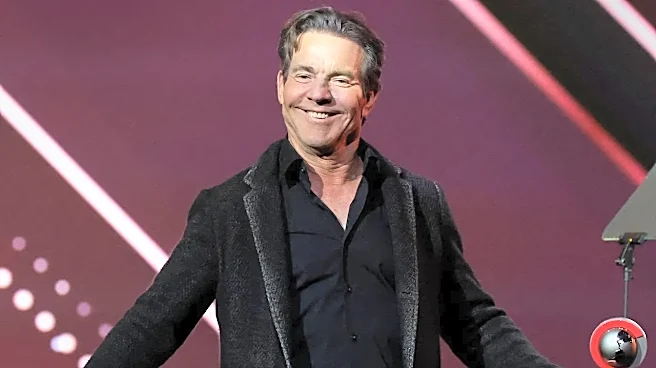
This is where an institution like the iHeartPodcast Awards becomes more than just a glitzy ceremony. By design, these awards celebrate the core components of the audio craft. While popularity and fan votes play a significant role, the very existence of categories judged by industry professionals sends a message to creators and advertisers alike about what truly matters. More importantly, the event honors visionaries for their contributions to the medium itself. At the 2026 awards, for instance, Hrishikesh Hirway of “Song Exploder” received the Innovator Award for his groundbreaking audio storytelling, while Terry Gross of “Fresh Air” was given the Audible Audio Pioneer Award for decades of setting the standard in insightful interviewing. These accolades place a premium on audio-centric skills—narrative structure, sound design, and interviewing prowess—that have nothing to do with how good someone looks on camera. They create prestige and offer a goalpost for creators who want to excel in audio as a distinct art form.
A Cultural Anchor, Not a Reversal
Can an awards show single-handedly stop the video juggernaut? Of course not. The commercial incentives driving video podcasts are too powerful. YouTube and Spotify are not reversing course, and creators will continue to use video to grow their audience. However, the iHeartPodcast Awards can act as a crucial cultural anchor. They provide a high-profile platform to remind the industry what makes podcasting special to begin with. By annually spotlighting shows that are masterpieces of audio, they validate the work of sound designers, writers, and producers who are committed to the medium. This recognition encourages networks and independent creators to continue investing in ambitious, sound-rich projects that might otherwise be deemed less commercially viable in a screen-first landscape. It ensures that even as the market floods with video content, there remains a celebrated and respected space for pure, unadulterated audio excellence.