








The Comfort in Relatable Chaos
There's a reason 'National Lampoon's Christmas Vacation' remains a classic. Clark Griswold’s obsessive quest for a 'fun, old-fashioned family Christmas' descends into a maelstrom of electrocuted cats, combustible Christmas trees, and unwelcome RV-dwelling
relatives. We laugh not just at the slapstick, but in recognition. The film, originally based on a John Hughes short story called 'Christmas '59', perfectly exaggerates the pressure of holiday perfection. The on-screen chaos makes our own minor squabbles over burnt turkey or lopsided trees seem wonderfully manageable. These movies tell us it’s okay if things aren't perfect. They validate the messy reality that holidays are often more about surviving than celebrating, and there's a strange comfort in seeing that reflected back at us, amplified to a comedic extreme.
A Safe Dose of High-Stakes Drama
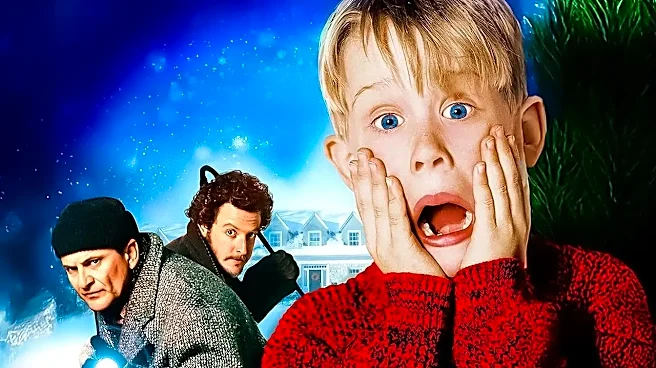
Holiday films also provide a form of emotional catharsis. They allow us to experience intense family conflict from a safe distance. Take 'The Family Stone,' where an uptight career woman, Meredith, faces the chilly, borderline hostile reception of her boyfriend's free-spirited and fiercely loyal family. The tension is palpable, from awkward dinner conversations to outright judgment. Or consider 'Home Alone,' where eight-year-old Kevin McCallister is not just forgotten by his family but actively mistreated and overlooked before they leave. His wish to make them disappear comes true, leading to a journey of both empowerment and profound loneliness. Watching these characters navigate neglect, disapproval, and alienation lets us process those fears without any real-world consequences, offering an emotional release valve during a high-pressure time of year.
The Inevitable, Heartwarming Payoff
The true secret ingredient to these comfort films isn’t the conflict itself, but its guaranteed resolution. We can endure the Griswold family’s descent into anarchy because we know it will end with a moment of genuine connection and Clark realizing he got the family Christmas he wanted, even if it was a disaster. We can sit through the excruciating awkwardness of 'The Family Stone' because we trust that Meredith will eventually find her place, and the family will soften. The entire appeal of rewatching familiar movies hinges on this predictability. Psychologists note that knowing the outcome reduces cognitive load and provides a sense of control that can be incredibly soothing, especially for those with anxiety. In 'Home Alone,' the climax isn't just Kevin defeating the burglars; it's his mother's frantic journey to get back to him and their heartfelt reunion, reinforcing the idea that family bonds, though flawed, ultimately endure.
Finding the 'Good' in the Bad
Ultimately, the paradox resolves itself when we realize we don't love these movies despite the conflict; we love them because of it. The journey through the dysfunction is what makes the final moments of peace and reconciliation so earned and emotionally resonant. Buddy the Elf's clash with his cynical, workaholic father is what makes their eventual bond over a repaired sleigh so sweet. Even the famously formulaic Hallmark movies operate on this principle, introducing a mild conflict—a family business in trouble, a hometown romance rekindled—that must be navigated before the happy, snow-dusted ending can arrive. These stories mirror a fundamental hope for the holiday season: that even out of stress, misunderstandings, and chaos, moments of love, connection, and joy can emerge.