



The Original Icon: Tradition and Propriety
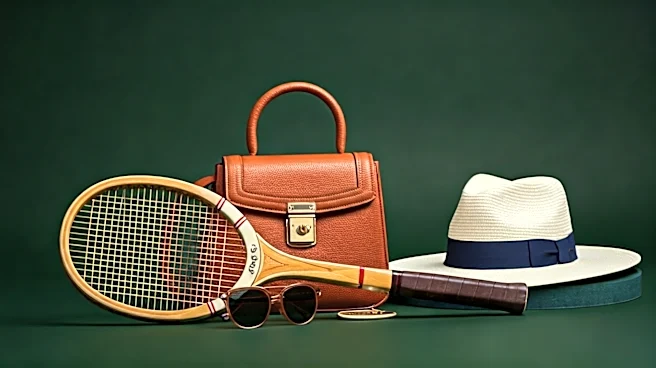
For the generation that values tradition, the white tennis dress is a symbol of elegance and respect for the game's history. The all-white rule at Wimbledon began in the Victorian era partly for a very practical, if somewhat delicate, reason: to conceal
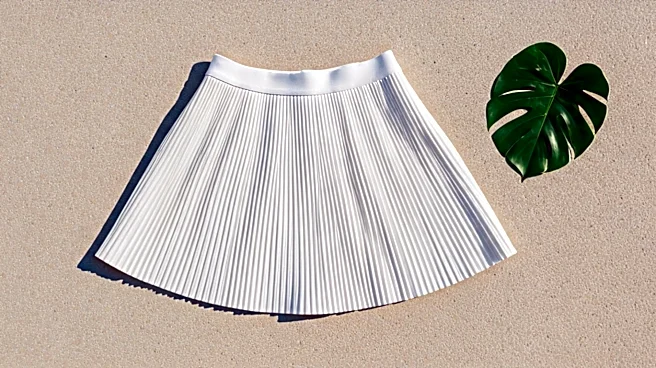
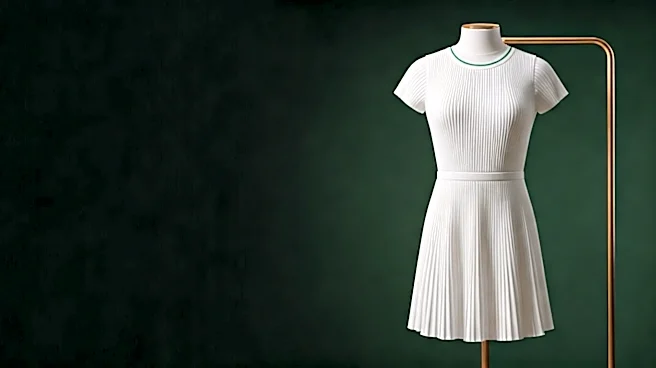
unseemly sweat stains. This established tennis as a sport of the genteel, where appearance mattered. A pleated white dress evokes that history, representing a connection to a time of sportsmanship, decorum, and classic style. For many Baby Boomers, wearing this isn't about fashion; it's about upholding a certain standard. The pleats recall the revolutionary designs of the 1920s that first allowed women freedom of movement on the court, but the adherence to white is a nod to the purity and prestige of the sport itself. It’s a uniform that signals you understand and respect the rules, both written and unwritten.
The Gen X Filter: Quality Over Conformity
Generation X, a cohort sandwiched between legacy and the internet, views the pleated dress with a more skeptical, discerning eye. Having grown up with punk rock, grunge, and a healthy distrust of institutions, they might instinctively recoil from the dress's “country club” connotations. However, Gen X also has a deep appreciation for things that are well-made and authentic. They are less likely to fall for a fleeting trend but will invest in quality, timeless apparel. So, while they might reject the dress as a symbol of conformity, they would also be the first to recognize the superior fabric, the perfect cut, and the functional design. Their take would be to adopt it, but on their own terms—paired with unexpected footwear or a vintage leather jacket, stripping it of its preppy pedigree and appreciating it simply as a high-quality garment that works.
The Millennial Remix: Welcome to 'Tenniscore'
For Millennials, the pleated tennis dress is less a single item and more the star player of a full-blown aesthetic: “tenniscore.” This generation, fluent in the language of Instagram and lifestyle branding, doesn't just wear clothes—they build narratives. The dress becomes part of a curated look that signifies a certain kind of laid-back luxury and sporty chic. It’s about embodying a vibe, not just going to a match. The modern tenniscore trend is less about athletic performance and more about blending heritage sportswear with quiet luxury. A Millennial might pair the dress with designer sneakers and a carefully draped sweater for brunch, proving the outfit's versatility. It's a costume for a life that is polished, active, and effortlessly photogenic.
The Gen Z Edit: Deconstructed and Sustainable
Generation Z approaches the tennis dress with a completely different set of questions. Is it sustainable? Who made it? And can I get it secondhand? For them, style is a vehicle for personal expression and ethical statements. A brand-new pleated dress might be viewed with suspicion, but a vintage one from a thrift store is an authentic find. Gen Z is more likely to deconstruct the look entirely. They might wear the dress, but they’ll style it in a way that subverts its original meaning—perhaps with chunky combat boots, layered over baggy pants, or customized with their own alterations. For this generation, the dress isn't a sacred text; it's a starting point for a conversation about individuality, consumption, and what it means to make a classic style their own.
The Minimalist Buyer's Verdict
So, who is right? Through the lens of a minimalist buyer, they all are—partially. A minimalist strips away the generational baggage and sees the object for its core utility. The pleated shirt dress is, objectively, a brilliant piece of design. It’s versatile, comfortable, and timeless. The minimalist philosophy champions a wardrobe of fewer, better things, and this dress fits the bill perfectly. It can be dressed up or down, worn across seasons with different layers, and its classic silhouette ensures it won't look dated in a year. The minimalist doesn't buy it for the trend or the tradition, but for its function and longevity. It is the ultimate expression of “buy once, wear well,” a quiet workhorse in a capsule wardrobe that can, as it turns out, mean something different to everyone.