

Artistry vs. Wearability
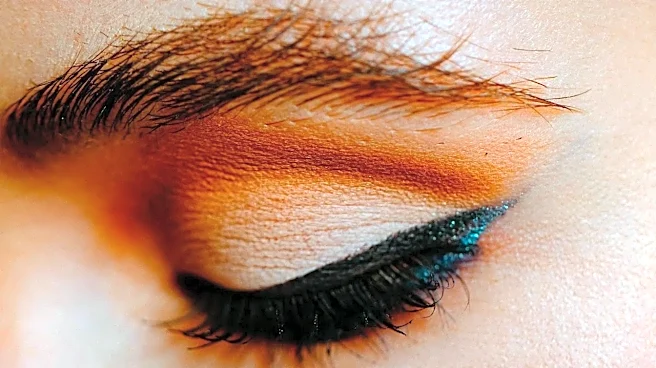
At the heart of the debate is a classic conflict: is makeup meant to be wearable art or a tool for enhancement? For many artists, graphic liner is the ultimate form of self-expression. Pro makeup artist Andrea Samuels calls it a way of “re-shaping and
decorating your eyes” with limitless possibilities. It’s seen as pure creativity, perfect for runways, editorial photoshoots, or making a bold statement. However, another camp of artists argues that their primary job is to make clients look and feel beautiful in the real world. For them, a floating crease or a dramatic, disconnected wing might feel more like a costume than a flattering enhancement for a wedding or a corporate headshot. They believe the most skillful makeup is often subtle, enhancing features rather than overpowering them.
The Social Media Effect
You can't discuss graphic liner without talking about social media. Platforms like TikTok and Instagram have turned makeup into a visual sport, and graphic liner, with its bold, eye-catching shapes, is practically designed to go viral. This has democratized beauty, allowing anyone to become a trendsetter. Yet, this is also a source of contention. Some seasoned artists worry that trends are now driven by what looks good in a 15-second video rather than what demonstrates true technical skill or what is flattering in person. The “Instagram Face,” a homogenous look characterized by specific features, is seen by some as a product of this environment, where trends can feel fleeting and disconnected from the foundational principles of makeup artistry.
Technical Skill vs. Forgiving Imperfection
Creating a perfectly symmetrical, crisp graphic line requires a tremendous amount of skill and a steady hand. Many professionals take pride in this precision. However, the social media-fueled version of the trend often comes with a different philosophy. Some influential creators and artists encourage playfulness over perfection, noting that even iconic looks from the '60s, like Twiggy's, weren't always perfectly even. Celebrity makeup artist Allan Avendaño suggests that people are often too focused on perfection. This creates a divide. On one side, you have artists who believe the beauty of graphic liner is in its flawless execution. On the other, you have those who argue that its true value lies in creative expression, where a little imperfection is part of the charm.
Client Demands and Commercial Reality
Ultimately, for working makeup artists, the debate also comes down to business. While a portfolio full of avant-garde liner looks can showcase creativity, it may not attract a client who just wants to look like a polished version of herself. The looks seen on runways or hit shows like Euphoria are inspirational, but they don't always translate to paying customers. Many artists find that while clients might admire a bold graphic liner on Instagram, they rarely request it for themselves. The disagreement, then, is also a practical one: should an artist focus on building a brand around aspirational, artistic looks that attract followers, or on mastering the wearable, enhancement-focused techniques that build a loyal client base? For many, the challenge lies in striking a balance between the two.