





The Classic Confession: Whispers and Shadows
For decades, the cinematic language of confession has been clear. It happens in hushed tones, often in tightly framed close-ups. Think of a character unburdening themselves to a priest through the grate of a confessional, or two friends sharing a devastating
secret in a dimly lit bar after hours. The power of these scenes comes from their privacy. The camera makes us, the audience, a privileged eavesdropper on a moment of raw, unguarded vulnerability. The core feeling is one of secrecy and trust, where the truth is a fragile thing shared between two people, shielded from the judgment of the outside world. The environment is almost always a sanctuary of some kind, whether sacred or secular, designed to make the speaker feel safe enough to finally break their silence.
Enter the Microphone: A New Kind of Intimacy
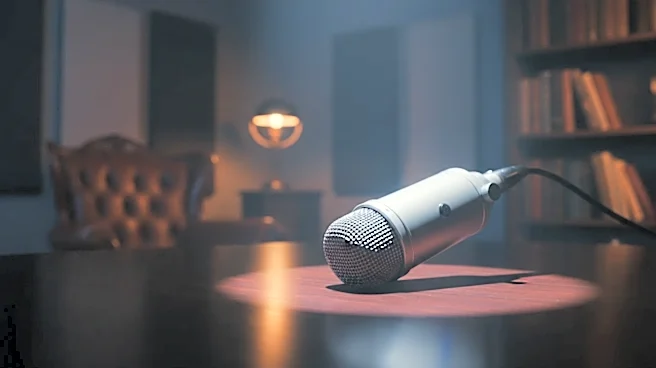
Now, place a modern podcast microphone in the middle of that scene. Suddenly, the dynamic is supercharged with new meaning. This object, often a specific model like the Shure SM7B, is more than just an audio device; it’s a cultural symbol. We associate it with the hyper-intimate, truth-telling format of podcasting. Podcasters, speaking directly into our ears for hours, create a sense of deep, personal connection. When a film or TV show places that microphone in front of a character about to confess, it’s borrowing that entire aesthetic of authenticity. Shows like "Only Murders in the Building" build their entire premise around this idea, where a formal confession is literally an act of recording a podcast. The microphone becomes a visual shorthand for, “Listen up, the real story is about to be told.”
From Private Moment to Public Performance
The most fascinating change, however, is the tension the microphone introduces. A confession is, by nature, a private act. Recording it is a public one. This duality transforms the character's vulnerability into a kind of performance. Are they confessing to the person in the room with them, or to the unseen, imagined audience who will one day listen to the recording? This act of speaking into a microphone externalizes their inner monologue, turning a moment of personal reckoning into a piece of content. It reflects a very contemporary anxiety: in an age of constant documentation, can any moment of truth be truly private? The microphone forces the character—and the viewer—to grapple with the difference between being honest and crafting a narrative.
The Sound of Authenticity
Beyond the visual symbolism, the microphone alters the scene's sonic texture. Traditionally, a film's sound design would hide the microphone, using boom mics or lavaliers to create a seamless sense of reality. Placing a professional-grade vocal mic in the frame signals that we are meant to focus on the sound. It promises a clean, crisp, and uncomfortably close audio experience. We hear every breath, every crack in the voice, every subtle hesitation. This creates a specific kind of sonic intimacy that’s very different from a whisper. It’s not the sound of a secret being shared; it’s the sound of a statement being made. It gives the character’s words a deliberate weight and permanence, suggesting that what they say is being captured not just for the story, but for the record.