


First, What Is 'Deadstock' Fabric?
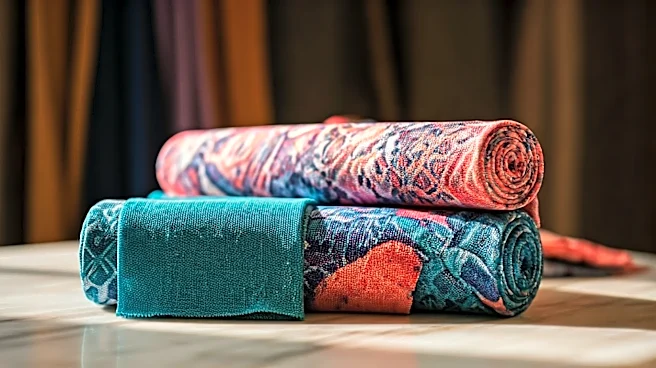
Imagine a major fashion house orders thousands of yards of a unique, high-performance fabric for its new collection. After production, there are a few hundred yards left over—not enough for another large run, but too valuable to throw away. This is deadstock.
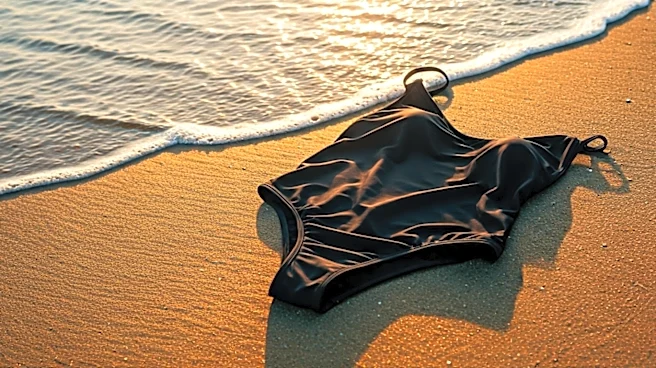
It’s perfectly good, brand-new material that, for one reason or another, is sitting dormant in a warehouse. It might be surplus from a past season, a color that was discontinued, or simply the result of an over-optimistic order. For decades, this material was seen as a logistical headache, often destined for landfills or sold off for pennies on the dollar. But a new generation of designers, particularly in the swimwear space, saw an opportunity where others saw waste. They began buying up these high-quality remnants to create their own collections.
The Ultimate Sustainable Flex
The initial appeal of deadstock was rooted in sustainability. The fashion industry is notoriously wasteful, producing an estimated 92 million tons of textile waste annually. Using deadstock fabric is a powerful form of upcycling. It diverts material from landfills, giving it a second life. More importantly, it reduces the environmental footprint of a new garment. By using existing fabric, a brand avoids the resource-intensive process of creating new textiles, which involves water consumption, energy use, dyeing chemicals, and carbon emissions. For the modern consumer, who is increasingly concerned with the ethics of their purchases, a swimsuit made from deadstock material isn't just a piece of clothing; it's a statement. It signals an awareness of fashion’s environmental impact and a commitment to being part of the solution, not the problem. This ethical glow-up is the first step in its journey toward luxury status.
From Leftover to Limited Edition
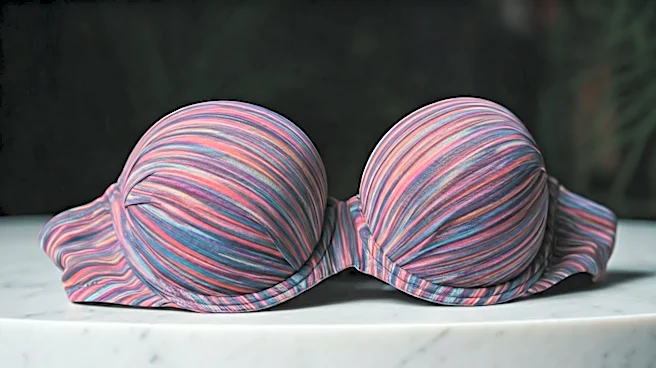
Here's where the conversation shifts from just 'eco-friendly' to 'exclusive.' Because deadstock fabrics are, by nature, finite, any collection made from them is automatically a limited edition. A small-batch swimwear brand might only acquire enough of a specific printed nylon-spandex blend to produce 50 or 100 bikinis. Once that roll of fabric is gone, it’s gone forever. That style can never be restocked. This inherent scarcity flips the script on traditional luxury, which often relies on brand heritage and high price points to signal value. In the world of deadstock, the luxury is in the uniqueness. You’re not just buying a swimsuit; you’re buying a piece of a finite story. In an era of fast fashion and mass production, where seeing someone else in your exact outfit is a common occurrence, the promise of owning something rare is a powerful lure. Brands like Mara Hoffman and Vitamin A have masterfully woven this narrative into their marketing, framing deadstock pieces as 'limited' or 'collectible.'"
The Story Is the New Status Symbol
Ultimately, deadstock is becoming a luxury conversation because the definition of luxury itself is changing. For a growing segment of consumers, particularly Millennials and Gen Z, luxury is less about conspicuous logos and more about craftsmanship, transparency, and storytelling. A swimsuit made from salvaged Italian lycra has a more compelling narrative than one mass-produced from virgin materials. It speaks to ingenuity, resourcefulness, and conscious choice. Wearing it becomes a way to communicate personal values. This shift elevates the garment beyond its functional purpose. It's no longer just something to swim in; it's a conversation starter and a quiet badge of honor. By choosing deadstock, consumers participate in a more thoughtful ecosystem of fashion, aligning their personal style with their principles. This alignment—the feeling that your purchase reflects who you are and what you believe in—is perhaps the most modern form of luxury there is.