




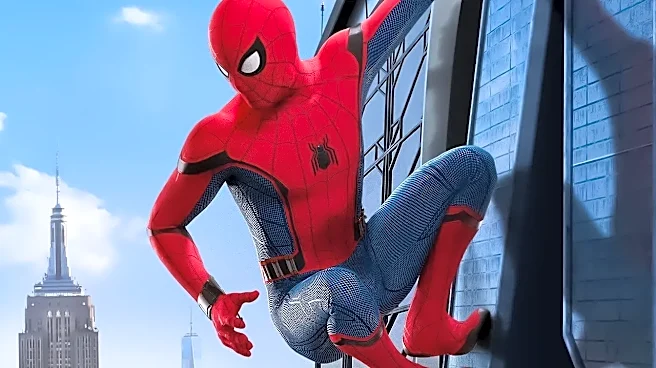

The Main Floor: A Loudspeaker for the Already Famous
Walking onto the main show floor of the Javits Center during NYCC is a sensory overload dominated by giants. Massive, multi-story booths for major film studios, television networks, and video game companies loom over the aisles, blasting trailers and hosting
celebrity appearances. The convention's primary energy and visual real estate are dedicated to promoting established, billion-dollar intellectual properties. This isn't a convention about comics so much as it is a celebration of the mainstream media that comics have inspired. While brands like Marvel and DC have a presence, their focus is often as much on their cinematic universes as their publishing lines. This creates an environment where the loudest voices belong to properties that are already household names, reinforcing existing fandom rather than fostering discovery.
Artist Alley: The Heartbeat in the Basement
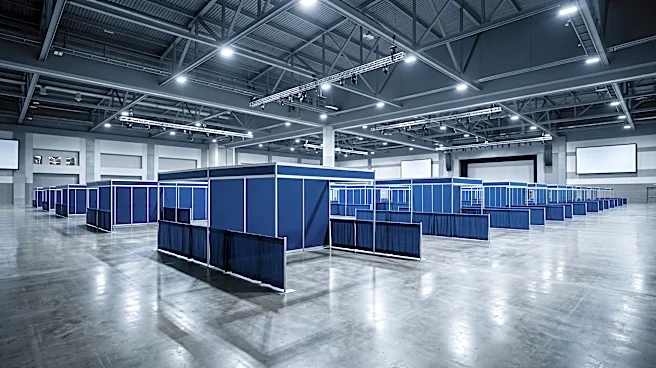
Meanwhile, hundreds of the world's most talented comic book writers and artists are gathered in a separate, distinct zone: Artist Alley. Often located in a different hall or on a different level, this is where you can actually meet the creators, buy their work, and discover independent projects. The problem is that NYCC brands and presents Artist Alley as something other than the main event. It’s the creative melting pot, but it’s physically and promotionally siloed. By separating the creators of new and independent comics from the massive promotional machine on the main floor, the con makes a clear statement: the established franchises are the main attraction, and the people actually making comics are a secondary, niche interest. This physical separation is a branding mistake, turning the engine of the industry into an afterthought.
The High Cost of Sidelining Discovery
This structure has significant consequences. For attendees, it makes finding the next great comic book an act of deliberate, out-of-the-way effort, rather than a natural part of the con experience. For creators, it’s a battle for oxygen. After paying high fees for a table, they are cordoned off from the primary foot traffic, forced to compete in a crowded space while the main floor is dominated by corporations promoting the past. This setup stifles the very discovery that should be at the heart of a "comic con." It prioritizes passive consumption of existing hits over active engagement with new art. The convention becomes less a launchpad for new ideas and more a victory lap for established ones, which is a missed opportunity for the organizers and a disservice to the industry's future.
A Path to Reintegration
The solution isn't to get rid of the blockbuster booths, but to change the branding philosophy. Imagine a convention floor that integrates discovery into its very layout. What if, interspersed between the giant video screens and celebrity stages, there were curated aisles dedicated to "Future Stars of Comics" or "Independent Spotlight" publishers? What if the convention's own marketing and app highlighted a "Creator of the Day" from Artist Alley with the same fervor as a movie panel? By using its powerful platform to elevate new voices, NYCC could transform from a pop culture museum into a living, breathing gallery. It would require a shift from simply renting floor space to the highest bidder to actively curating an experience that serves the entire ecosystem, from the biggest studio to the single artist with a new idea.